

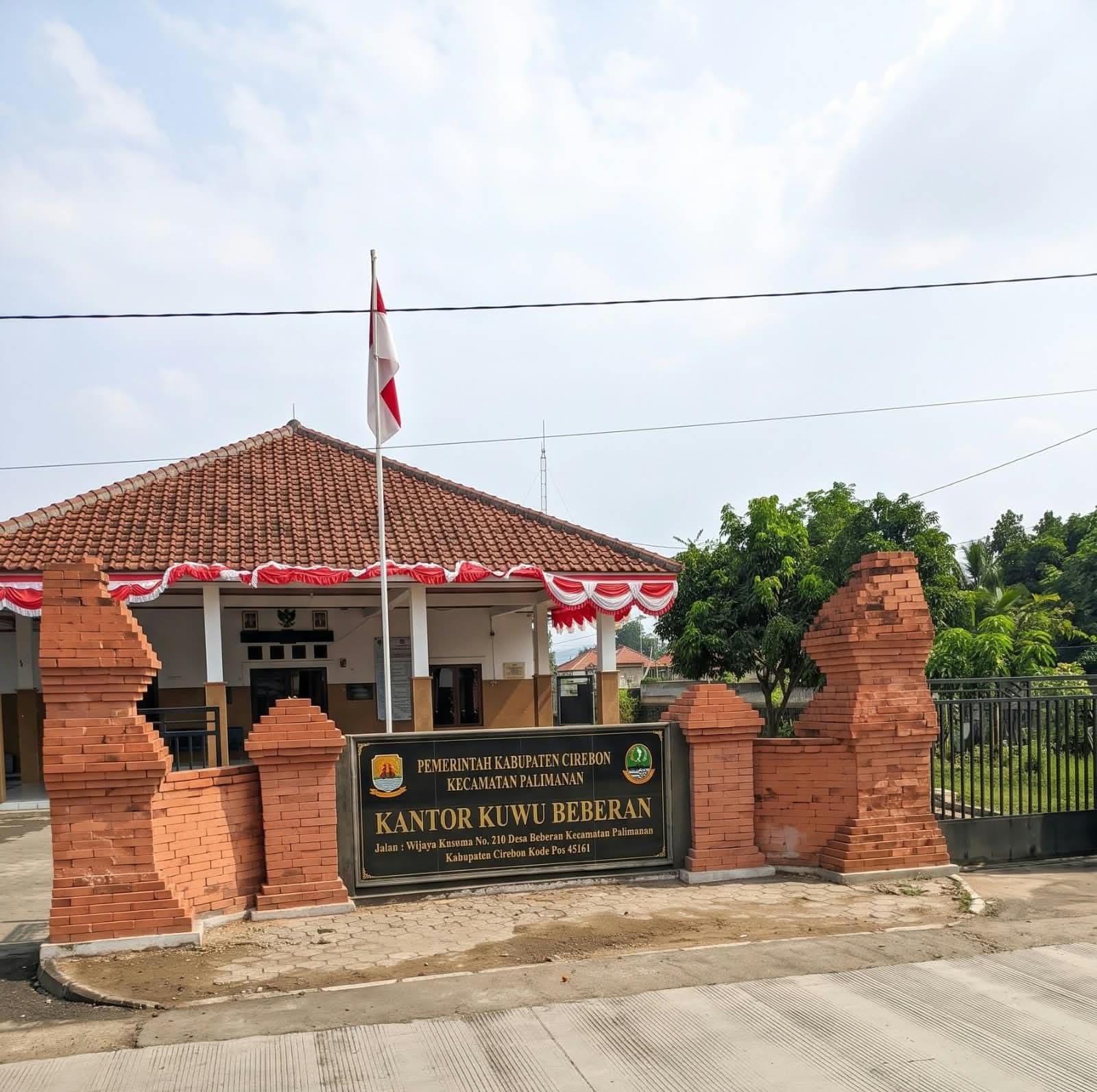

Picture 1. Beberan Village Office, Palimanan Subdistrict, Cirebon Regency. Source: the author’s personal documentation, [October 31, 2026].
Introduction
Beberan lies between Penongan and Serang in Palimanan Subdistrict, Cirebon Regency. It has around 4,000 residents and covers approximately 620 hectares of settlements and rice fields. Residents work as farmers, traders, migrant workers, civil servants, and owners of small home-based businesses.
According to the interviewees, one feature that distinguishes Beberan is its many Quran memorizers, particularly women, whose achievement is a source of community pride. Based on interviews, observation, and documentation, this article explores the village’s history, important sites, local traditions, their cultural significance, and the challenges to their preservation.
Background and Sites
A Brief History and Profile of the Village
Beberan has 12 neighborhood units (RTs) and, according to the interviewees, the smallest amount of village-owned land in Palimanan Subdistrict. It was formed not through a territorial split but through the merger of two blocks: Kedung Dadap and Beran. Before it was called Beberan, the village was known as Kedung Dadap. The name Kedung Dadap combines “kedung,” meaning river, and “dadap,” the name of a tree. The village was accessible before a bridge was built, but the bridge constructed in the 1990s made crossing to the area beyond the river much faster.
The village administration is based at the Beberan Village Office (Picture 1). Although there are no large factories, residents run home-based businesses in paper production and transportation, ranging from one-person operations to businesses employing dozens (Picture 2).

Picture 2. Paper home industry activities by residents of Beberan Village, Palimanan Subdistrict, Cirebon Regency. Source: the author’s personal documentation, [October 31, 2026].
Mosque and the Ancestral Graves
For Beberan residents, the mosque and ancestral graves are important places for worship, prayer, and pilgrimage. The interviewees mentioned the graves of Buyut Salaman, Buyut Sangga Buana, Buyut Jaladri, Buyut Gampang, Buyut Glempo, Buyut Roti, Buyut Makam Jati, Buyut Makam Asem, Buyut Makam Lo, Buyut Ruju, and Buyut Budi. Originally, these sites had simple structures resembling huts or shelters supported by wooden pillars. They have been renovated several times according to the village’s financial capacity and are maintained by local residents (Picture 3).

Picture 3. Mosque in Beberan Village, Palimanan Subdistrict, Cirebon Regency (Masjid Baitur Rohim). Source: the author’s personal documentation, [October 31, 2026].
Local Tradition and Ethos
Regular Religious Activities
Religious life is central to Beberan. According to the interviewees, Quran memorizers have been a source of village pride since around 2015. Residents also remember an ancestral message encouraging unity and collective efforts to develop the village. This spirit is reflected in weekly activities: jamiyahan every Tuesday afternoon and charity distributions every Thursday afternoon (Pictures 4 and 5).

Picture 4. Community gathering of residents of Beberan Village, Palimanan Subdistrict, Cirebon Regency [Kedung Dadap Block, RT 11, RW 03]. Source: the author’s personal documentation, [November 3, 2026].

Picture 5. Charity event for residents of Beberan Village, Palimanan Subdistrict, Cirebon Regency [Kedung Dadap Block, RT 11, RW 03]. Source: the author’s personal documentation, [October 29, 2026].
Ratiban, Haul, and Apem
Every year, residents hold a ritual called “ratiban” or “sedekah makam” and a memorial ceremony (haul) for their ancestors (ki buyutan). This tradition has been passed down through generations and takes place at the gravesite. According to the sources, its purpose is to pray for the ancestors, maintain harmony, and ward off misfortune. During the month of Safar, residents make apem and distribute them to the community. Apem is made only during that month and is also intended to ward off misfortune. There is also a custom of postponing celebrations until the Maulid commemoration (Pelal) at the Kesepuhan or Kanoman Palace is over.
Meaning of Terms Used
Some local terms may be unfamiliar to readers. Ratiban is an act of charity at a gravesite, while haul is an annual commemoration of a respected figure’s death. Jamiyahan comes from jam’iyah, a gathering for regular religious activities. Santunan is assistance for orphans. Rajaban marks the month of Rajab, while Ruwahan takes place in Ruwah (Sha’ban), usually involving prayers for ancestors before Ramadan. Nuzulul Quran commemorates the revelation of the Quran, generally on the 17th of Ramadan. Syawalan is a gathering to maintain social ties after Eid al-Fitr. Maulid commemorates the birth of Prophet Muhammad (SAW); the interviewees call it Pelal.
Everyday Language
People from Beberan speak a Cirebon dialect of Javanese that is similar to the Plered and Jamblang dialects, but their pronunciation of “O” is not as thick. When speaking to elders, they use more polite language, such as the word “sampean.” With their peers, they use casual language.
Cultural Significance
Koentjaraningrat (2009) identifies three forms of culture: ideas, activities, and artifacts. All are present in Beberan. Its ideas include religious values and the ancestral message of unity; its activities include ratiban, haul, jamiyahan, and making apem during Safar; and its artifacts include the mosque and ancestral graves. Together, these elements show how religious life and respect for ancestors shape Beberan’s identity and contribute to Cirebon culture.
In the initial assessment using the observation instrument, Beberan scored 15 out of 24, placing it in the “moderate” category. Its uniqueness and cultural value were rated as good, while community readiness, economic opportunities, and suitability for publication were still low. In my opinion, the most promising area to pursue is cultural-religious tourism centered on ratiban ceremonies, ancestral graves, Quran memorizers, and the village’s origin story, as these traditions are still actively practiced.
Beberan is better suited to educational visits and religious pilgrimage than mass entertainment. Visitors could learn how residents pray for their ancestors, maintain community ties, and value Quran memorization. Visits should require community permission and respect local customs, especially around the gravesites.
Comtemporary Threarts and Environment Risks
Waste is one visible challenge. According to the interviewees, passersby sometimes leave rubbish behind, while the village lacks waste-disposal facilities. Better waste management and environmental care should come before any increase in visitors.
Cemeteries are sacred places, so tourist visits require permits and clear regulations. Local residents also have experiences worth remembering. Processions in the Kedung Dadap Lor neighborhood in the 1980s and 1990s were halted because they frequently led to disturbances. Future tourism activities will need to be planned so as not to cause similar conflicts.
Some aspects of the cultural heritage have also been lost or are beginning to fade. According to the sources, the art of male acrobatics has been extinct since the 1950s. Old taboos such as traveling on Saturdays, getting married during the months of Apit, Sapar, and Muharram, and leaving the house at sunset are largely no longer observed. What remains are religious values, ratiban, haul, jamiyahan, and the custom of postponing celebrations until Pelal is over. The younger generation is largely unfamiliar with the village’s origin story. The residents’ language has also begun to mix with Indonesian due to the influence of television and gadgets.
Beberan also lacks distinctive crafts or food products ready for tourism. Apem, for example, is still made for its traditional purpose during Safar rather than sold commercially. The community is not yet fully prepared to receive tourists and needs local figures who can bring residents together. Any development should involve residents, religious leaders, Quran memorizers, mosque administrators, local government, and young people so that the benefits return to the community.
Conclusion
Beberan is a small village where religious life and respect for ancestors remain strong. Quran memorization, ratiban and haul, Safar apem, the mosque, and ancestral graves are all part of its heritage. Yet some older customs and stories have faded, making preservation important. If Beberan is to welcome educational and pilgrimage tourism, it must first improve waste management, set clear rules for visits to sacred sites, and involve residents throughout the process. Tourism should benefit the community while protecting the traditions that give the village its identity.
Sources
Interview with Bapak Usman and Bapak Abdullah, Resident of Beberan, October 27-28 2026
Field Observation Instrument in Beberan Village, October 30 2026

