

Beyond Daily Life: Exploring the Cultural Heritage and Local Potential of Dukupuntang Village
- 8 March 2027 · 19:30 WIB
- Dukupuntang Village
Cultural news from Cirebon
Festivals, cultural events, and community activities across the city and regency of Cirebon.
Mark your calendar
This article explores the hidden cultural heritage of Desa Tuk, located in Kedawung District, Cirebon Regency. It discusses the history of Balong Tuk and Keramat Kayu Mati, as well as local traditions and beliefs such as Muludan, Panjang Jimat, Nadran, the replacement of the burial cloth, marhabanan, turun tanah, and Pendil Sewu. The article also highlights the local economy through emping production and the use of Javanese and Cirebon language in daily communication. These findings show that Desa Tuk has valuable cultural heritage and tourism potential. Preserving its traditions, historical sites, and local knowledge is important to maintaining Cirebon's cultural identity for future generations.
Read more
Jelajahi tradisi budaya, bahasa Jawa dialek Cirebon, sejarah lokal, dan kegiatan ekonomi yang membentuk identitas Desa Jungjang, yang terletak di Arjawinangun, Cirebon.
Lawang Gede is an important historical and cultural heritage site in Mertasinga Village, Cirebon. The site is associated with the history of the Mertasinga Palace and the ancient Kingdom of Singhapura. It preserves historical remains such as a traditional brick gate, an old wooden door, and an ancient well. The local community maintains cultural traditions such as tahlilan and ngunjung, which reflect spiritual values and respect for ancestors. The community also uses Cirebon Javanese with the O dialect in daily communication. Based on the field observation, Lawang Gede has strong potential to become a historical and educational tourism destination. However, preservation, historical verification, and community participation are necessary to protect its heritage. By working together, the people of Mertasinga can preserve their cultural identity and introduce their historical heritage to future generations.

Mandala Village is a village located in Dukupuntang District, Cirebon Regency, West Java. Situated in a hilly area, the village offers a combination of cultural traditions, historical heritage, agricultural activities, and natural attractions. Exploring Mandala Village provides an opportunity to understand not only the daily lives of its residents but also the cultural identity and potential of the local community. From traditional religious practices to historical monuments and beautiful landscapes, Mandala Village has several interesting aspects that deserve attention and preservation.
This article discusses Kedawung Village, Cirebon Regency, as an area rich in history, culture, traditions, and economic and tourism potential. Kedawung has a strategic location because it lies on the border between Cirebon City and Cirebon Regency, making it a meeting point for two regions, languages, and cultures.
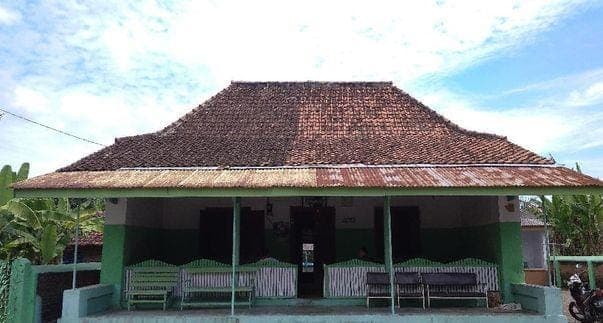
Discover the history, traditions, and local products of Setu Wetan Village in Weru, Cirebon, including the 200-year-old Gedongan Jin, the Muharram traditions, and the mosque well.
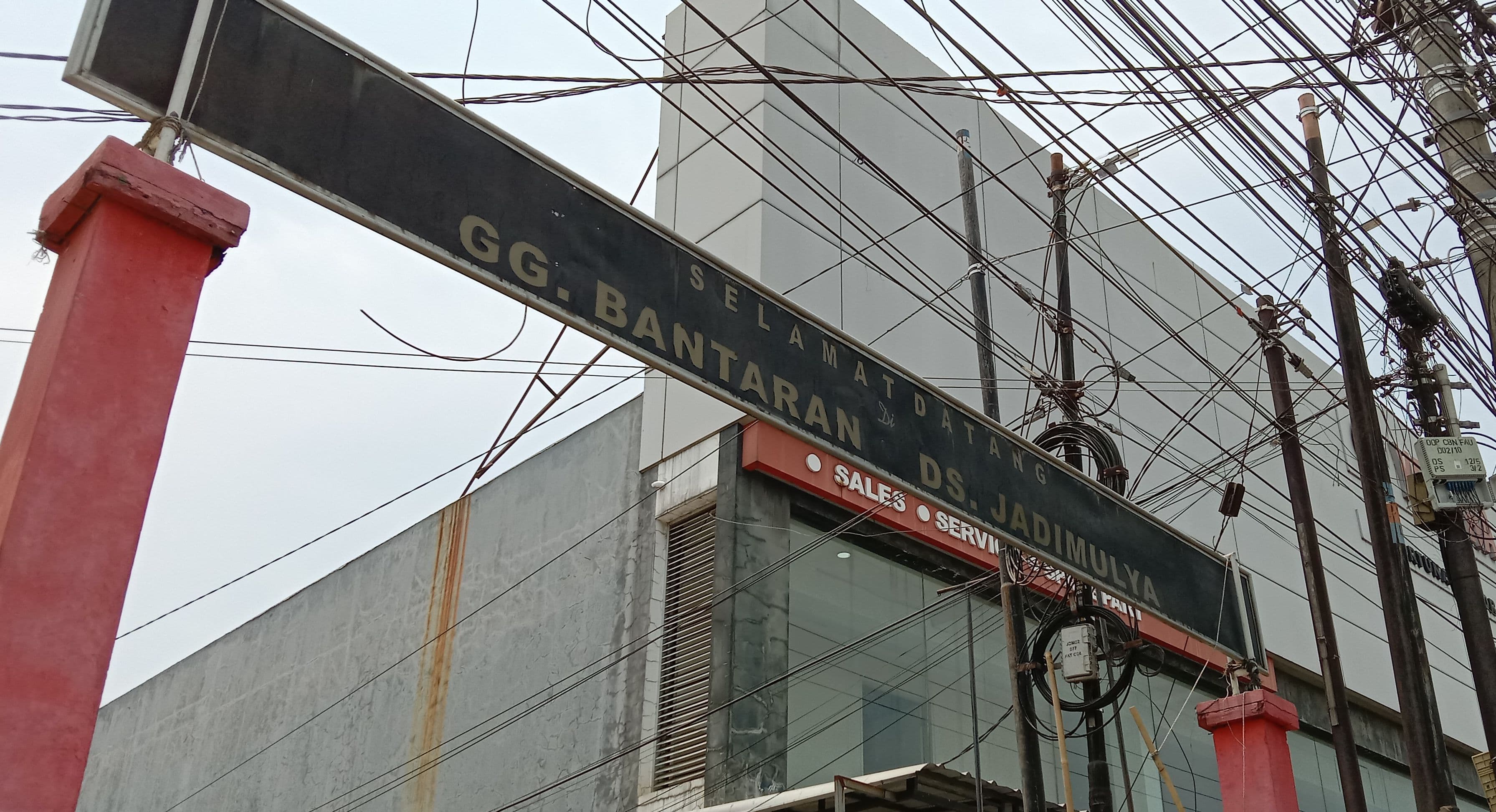
Jadimulya is a village in Gunung Jati District, Cirebon Regency, West Java. Located near the border of Cirebon City, it has experienced changes through expanding residential areas and diverse economic activities. Despite these developments, local traditions, regional languages, and community practices remain part of everyday life, reflecting the relationship between cultural heritage and modernization.
Read moreConversations about Cirebon's heritage usually center on the royal palaces, yet highland villages like Panambangan in Sedong District hold cultural riches of their own. The village covers about 292 hectares and lives off mountain springs and the Cimanis River. Its Sundanese-speaking residents place it on a cultural border within a regency better known for Cirebonese Javanese. The khataman ritual for newlyweds is still practiced as a way to pass religious knowledge to the next generation, while heritage sites such as Sumur Wasiat and a petilasan are poorly maintained.
Read moreThe author visited Setu Sedong, a small lake in Cirebon, and interviewed a local trader about it. The lake is important to the village's identity and farming, and the village has local traditions like a yearly torch parade and an oral belief about choosing the village head. The lake could become a tourist spot (scored 16/24, moderate), but there are problems: litter, unclear management, and the risk of pollution. The author says tourism should involve villagers, keep the lake clean, and protect local culture.
Read morePekalipan is an urban village in Cirebon with a rich historical and cultural background. From the Tomb of Syekh Maulana Maghribi and Festival Kepatihan II to traditional symbols and local community activities, Pekalipan reflects the cultural richness of Cirebon.
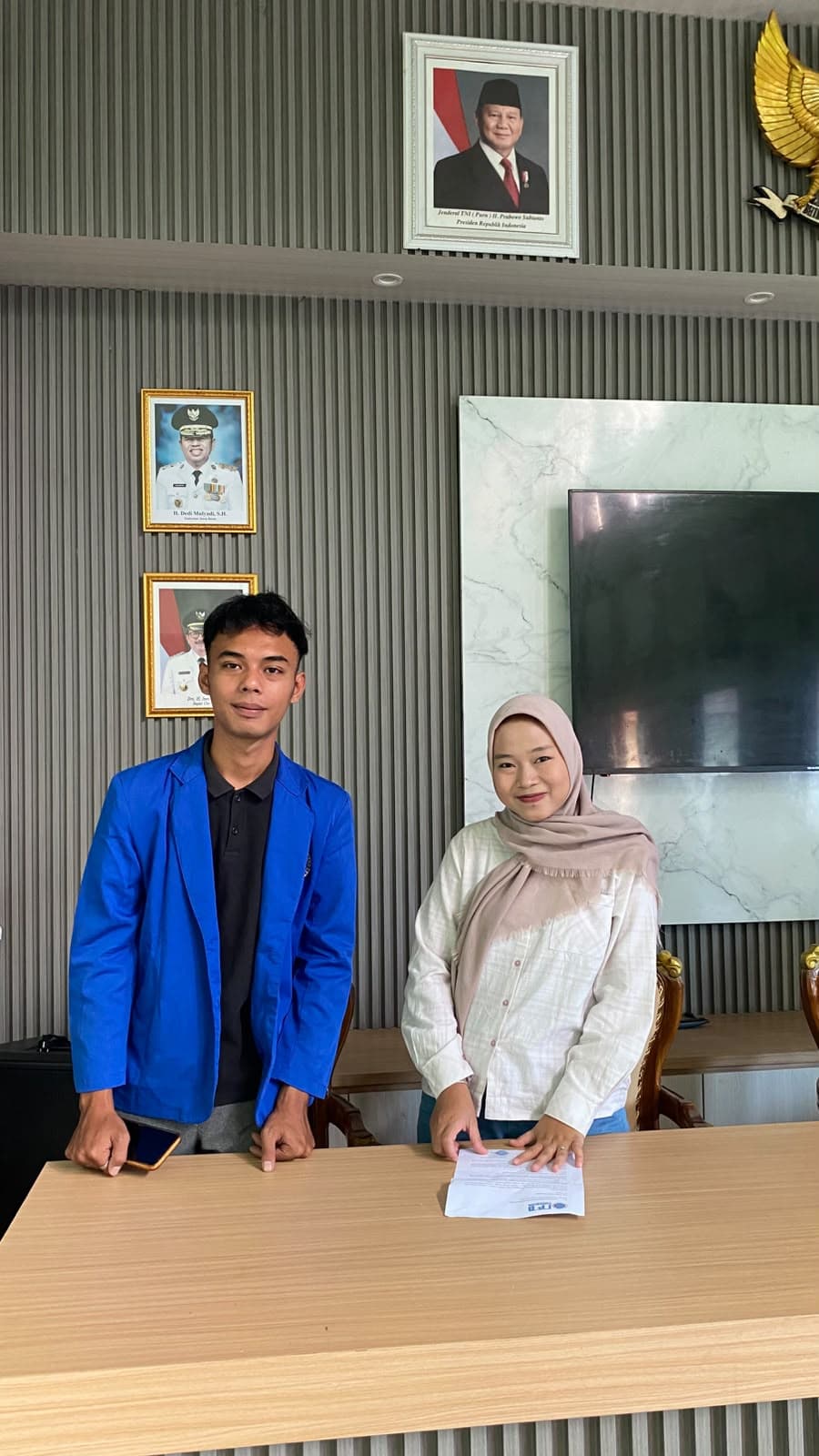
Exploring Matangaji Village: Discovering Its Cultural Heritage, Agricultural Potential, and Tourism Opportunities in Cirebon Cirebon Cultural Profile and Tourism | Field Observation Article Prepared by: Dika Gusti Armansyah | Observation date: 26 October 2026 Introduction Cirebon is a region in West Java, Indonesia, that has a rich cultural identity, historical background, and diverse local traditions. Beyond its well-known historical buildings and traditional attractions, several villages also have interesting cultural and economic potential that deserves greater attention. One of them is Matangaji Village, a rural area with opportunities for developing cultural and community-based tourism. Based on a field observation conducted on October 26, 2026, at the Matangaji Village Head Office, this article explores the village's geographical profile, cultural characteristics, economic activities, and tourism potential. The observation focuses on how local values, agricultural activities, religious life, and local historical connections contribute to the identity of the community. Matangaji Village is interesting to explore because its potential is not limited to natural resources. Its social traditions, religious values, and local historical connections may also become important elements in developing sustainable village tourism. Main Content 1. Geographical Profile and Local Economic Activities Matangaji Village has a geographical area of approximately 248.17 hectares, with an elevation of around 312315 meters above sea level. Its geographical conditions are considered supportive of agricultural activities, which are among the important sources of livelihood for local residents. The village is surrounded by several neighboring areas. To the north, it borders Sidawangi Village in Sumber District, Cirebon Regency. To the south, it borders Cirea Village, Kuningan Regency. Nanggela Village in Kuningan Regency is located to the east, while Cimara Village, also in Kuningan Regency, lies to the west. Agriculture plays an important role in the local economy because it is closely connected to the daily activities and livelihoods of the community. This sector also provides opportunities for further economic development through agricultural products, local businesses, and community-based activities. In addition to agriculture, tourism has the potential to become another source of economic growth. However, developing tourism requires proper planning, supporting facilities, and active participation from local residents. 2. Cultural Characteristics and Community Values One of the interesting findings from the observation is the importance of social and religious values in the community. Gotong royong, or mutual cooperation, remains an important cultural principle that encourages residents to help one another and maintain harmonious relationships. Page 1 Cirebon Cultural Profile and Tourism Other values include family solidarity, respect for others, politeness, religious commitment, and decisionmaking through discussion or musyawarah. These values represent the social character of village life and help maintain relationships among community members. Religious activities, community gatherings, traditional celebrations, and collective activities are also important parts of village life. Such activities provide opportunities for residents to strengthen social relationships and maintain their cultural identity. These cultural characteristics demonstrate that heritage is not always represented by historical buildings or physical objects. It can also exist in people's behavior, beliefs, traditions, and everyday interactions. 3. Historical Heritage and Religious Tourism Potential Another interesting aspect of Matangaji Village is its connection with local history and religious tourism. The village has been associated with the historical figure of Sultan Matangaji, which may provide an opportunity to introduce local historical narratives to younger generations and visitors. This historical connection is potentially valuable because local history can strengthen community identity and provide educational experiences for tourists. However, further historical verification is necessary to establish the figure's biography, historical period, relationship with the village, and the existence of any related historical sites or artifacts. Reliable historical records and interviews with knowledgeable local sources would be important supporting materials. Religious tourism may also become an opportunity for village development. Religious sites and activities can attract visitors who are interested in local history, spiritual experiences, and cultural learning. Nevertheless, religious traditions and sacred places should be respected, and tourism activities must not disturb the community's religious practices. 4. Agricultural and Tourism Development Opportunities Agriculture is one of the most important economic sectors identified in the village profile. Therefore, agricultural activities could become part of a village tourism concept through educational visits, agricultural introductions, and opportunities to learn about rural livelihoods. For example, visitors could learn about agricultural activities, interact with local farmers, and understand the relationship between natural resources and the community's economic life. These activities should only be developed after consultation with farmers and consideration of their daily work. Local businesses and small enterprises could also benefit from tourism development. Food products, traditional culinary businesses, and other locally produced goods could become supporting elements of the tourism experience. Nevertheless, tourism development should not focus only on generating income. It should also provide fair economic opportunities for residents and encourage the preservation of local traditions. 5. Language and Cultural Identity Language is another important element of cultural identity. In the Cirebon region, Javanese and Sundanese are both relevant regional languages. The language used in Matangaji Village should be documented through direct conversations with residents from different age groups and backgrounds. Understanding local language practices is important because language reflects social relationships, cultural experiences, and regional identity. It can also help visitors understand the community more deeply. Page 2 Cirebon Cultural Profile and Tourism Further observation and interviews are needed to establish whether residents predominantly use Javanese, Sundanese, or both languages in everyday communication. Cultural Significance Matangaji Village has cultural significance because its identity is reflected in the relationship between local history, religious life, agriculture, and community values. The principles of mutual cooperation, family solidarity, and respect demonstrate how traditional values continue to contribute to social relationships. Meanwhile, agricultural activities illustrate the importance of local resources in supporting the community's economy. Its historical connection with Sultan Matangaji also provides an opportunity to investigate and document local heritage. Through historical research and community participation, this heritage could become an educational resource for younger generations and visitors. Furthermore, developing sustainable tourism could strengthen the local economy while introducing Matangaji Village as part of Cirebon's diverse cultural landscape. Conclusion Matangaji Village has several opportunities for cultural and economic development. Its agricultural sector, religious life, community values, geographical characteristics, and historical connections represent important elements of its local identity. The field observation indicates that agriculture is an important economic foundation, while cultural traditions and religious activities contribute to the community's social character. Historical heritage and tourism opportunities also deserve further exploration. However, developing the village as a tourism destination requires accurate historical documentation, better facilities, community participation, and environmental awareness. Preserving local culture should remain a priority in every development program. By involving residents, documenting cultural heritage, and promoting responsible tourism, Matangaji Village has the opportunity to develop its local potential without losing its original identity. Ultimately, Matangaji Village demonstrates that the cultural richness of Cirebon can also be discovered through the everyday lives, traditions, and local resources of its rural communities. References 1. Matangaji Village Field Observation Notes. October 26, 2026. Cirebon Cultural Profile and Tourism, Meeting 5. 2. Interview with Teh Luki, identified in the observation notes as Head of Matangaji Health Center. October 26, 2026. Further confirmation of the interview details is required. 3. Matangaji Village Profile and Geographical Information. Data recorded in the student's field observation instrument. Official document details require verification. 4. Direct observation at Matangaji Village Head Office, Matangaji Village, October 26, 2026. 5. Additional historical records concerning Sultan Matangaji and the village's cultural heritage (to be identified andverified before publication).
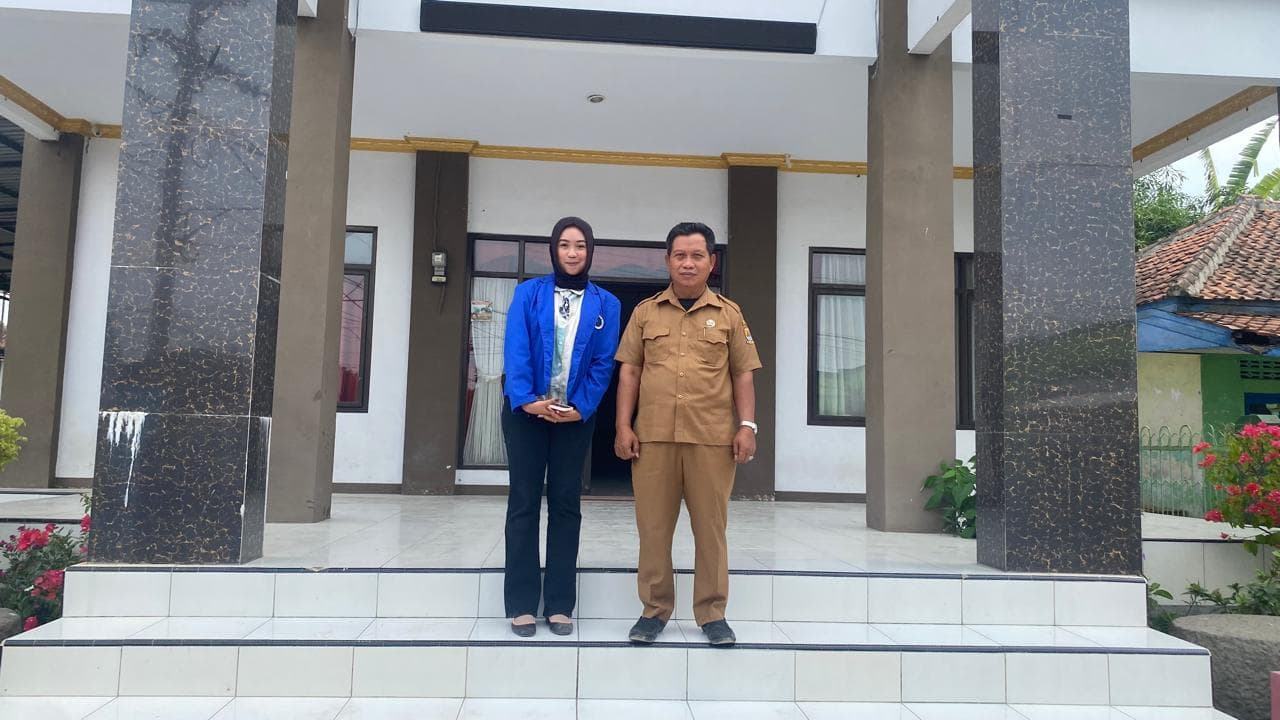
Exploring the Cultural Heritage and Local Wisdom of Cisaat Village, Dukupuntang, Cirebon Introduction Cisaat Village is one of the villages located in Dukupuntang District, Cirebon Regency, West Java, Indonesia. The village has interesting historical, cultural, and natural characteristics that reflect the identity of the local community. Beyond its geographical location, Cisaat Village has cultural traditions, local culinary products, historical stories, and natural attractions that deserve attention and preservation. This observation focuses on the environmental conditions, social life, public facilities, historical sites, cultural traditions, and local wisdom of the people of Cisaat Village. Several important places, including the village office, Bumi Pancasila, and Citiwu Spring, provide opportunities to understand the village's development and cultural heritage. Main Content 1. Environmental Conditions and Community Life Cisaat Village has a rural environment characterized by residential areas, agricultural surroundings, and community activities. The village environment represents the relationship between local people and their natural surroundings. Community life is an important aspect of the village's identity. Social interaction, cooperation, and mutual assistance are values that contribute to maintaining relationships among residents. These values can be observed through everyday activities and community participation in maintaining the village environment. The rural atmosphere also provides an opportunity to understand how local communities preserve their traditions while adapting to social and economic changes. 2. Village Government and Public Facilities The village office is an important public facility because it serves as the administrative center for local government activities. It plays a significant role in providing public services, managing village administration, and supporting community development. Public facilities are essential for improving residents' quality of life. The existence of village administrative services and other community facilities demonstrates the importance of local government in supporting social welfare and village development. The village government also has an important responsibility in maintaining cultural heritage, supporting local economic activities, and encouraging community participation in development programs. 3. Bumi Pancasila as a Local Tourism Destination One of the interesting places in Cisaat Village is Bumi Pancasila. This location is associated with outdoor activities, recreation, and educational experiences. Its natural surroundings provide opportunities for visitors to enjoy the rural atmosphere and participate in outdoor activities. Places such as this can contribute to local tourism development and introduce the natural potential of Cisaat Village to visitors. Bumi Pancasila also has the potential to become a place for environmental education and community activities. The development of local tourism should be accompanied by environmental awareness and responsible management to ensure that its natural characteristics are preserved. 4. The Historical Significance of Citiwu Spring Citiwu Spring is an interesting historical and cultural subject in Cisaat Village. According to local historical accounts, the name Cisaat is associated with a story about searching for water using a spear. The water source was reportedly discovered beneath a group of sugarcane plants and later became known as Citiwu. This story represents the relationship between the village's name, its natural environment, and the collective memory of its community. Citiwu Spring is therefore more than a natural water source. It can also be understood as part of the historical identity of Cisaat Village. Preserving stories about this location is important because local history is often transmitted through oral traditions from one generation to another. 5. Traditional Culture and Local Culinary Heritage Cisaat Village has cultural traditions that reflect the religious and social values of its community. Some traditions associated with the village include Hajat Pabarit, Maulid Nabi celebrations, and Ruwatan Bumi. These activities demonstrate the importance of gratitude, togetherness, and respect for cultural heritage. Traditional arts such as Gembyung, Singa Depok, and Jaipong also represent the cultural richness of the Cirebon region. In addition to traditional performances, local culinary heritage is another important cultural characteristic. One notable food associated with Cisaat Village is Papais Cisaat. This traditional food is made from rice flour and palm sugar and wrapped in bangban leaves. Papais represents local culinary knowledge that has been passed down through generations. Its traditional ingredients and preparation methods demonstrate how local communities use available natural resources to create distinctive foods. 6. Community Perspectives and Local Heritage Preservation The participation of local residents and village officials is essential for understanding the history and cultural characteristics of Cisaat Village. Interviews with community members can provide valuable information about the origins of the village, historical locations, traditional ceremonies, and changes in community life. Local knowledge is particularly important because some historical information is preserved through oral stories rather than written documents. Preserving cultural heritage requires cooperation between residents, younger generations, village officials, and cultural communities. Documentation, cultural activities, and educational programs can help ensure that local traditions remain recognized and appreciated. Cultural Significance The cultural heritage of Cisaat Village contributes to the broader cultural identity of Cirebon. Its historical stories, traditional ceremonies, performing arts, and culinary products demonstrate the diversity of local culture. Citiwu Spring represents the relationship between natural resources and historical identity, while Bumi Pancasila provides opportunities for tourism and environmental education. Traditional arts and Papais Cisaat demonstrate the importance of preserving cultural expressions and local culinary knowledge. These cultural elements should not only be regarded as attractions but also as valuable parts of the community's identity and collective memory. Conclusion The observation of Cisaat Village reveals the importance of its natural environment, public facilities, historical stories, traditional arts, and local culinary heritage. Places such as Bumi Pancasila and Citiwu Spring provide opportunities to understand the village's natural and historical potential. Meanwhile, traditions such as Hajat Pabarit, Ruwatan Bumi, and Maulid Nabi, together with traditional performances and Papais Cisaat, reflect the cultural values of the local community. Preserving this heritage requires active participation from residents, village officials, and younger generations. Through documentation, cultural education, and responsible tourism development, Cisaat Village can maintain its cultural identity while introducing its local heritage to a wider audience.
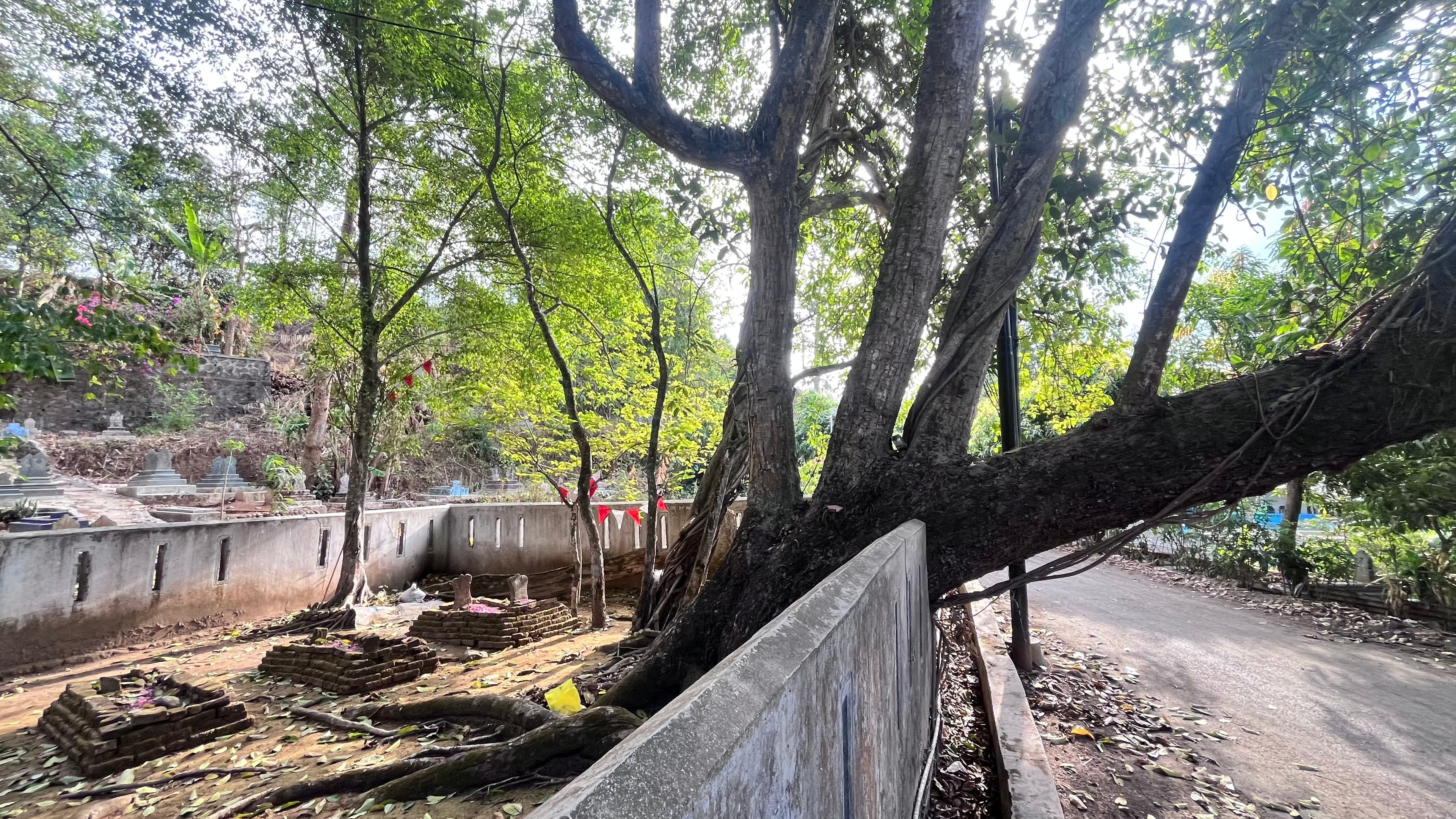
This article is about my field observation in Sidawangi Village, Sumber District, Cirebon Regency. It tells about the village's history, religious harmony, sacred places like the Tomb of Buyut Putih and Sumur Kejayaan, local traditions, and tourism potential, and why we need to protect them.
Artikel ini menggambarkan budaya lokal, tradisi, bahasa, dan mata pencaharian masyarakat Kampung Karang Anyar di Cirebon, serta mengusulkan pengembangan bekas area pertambangan (Galian C) menjadi tempat wisata jeep.
Read moreA field observation report examining how Kedungdawa Village protects its historical sites, preserves the annual "Sedekah Bumi" (earth offering) tradition, and develops local mango-based enterprises amidst the growth of suburban areas.
This article describes the local culture, traditions, languages, and livelihoods of the people of Karang Anyar Village in Cirebon, and proposes turning the former quarry (Galian C) into a jeep tourism site.
Read more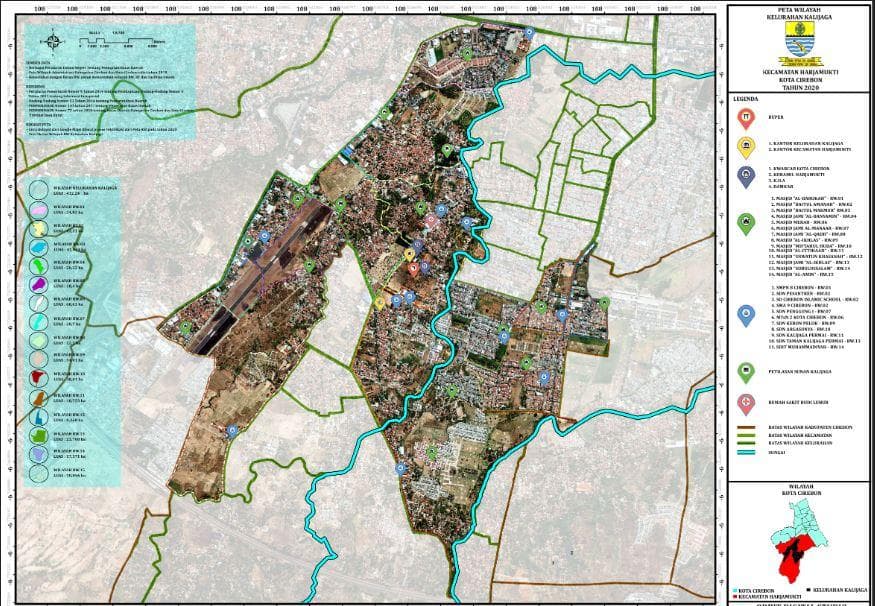
Kalijaga Village is a historically and culturally significant area located in Harjamukti, Cirebon City, West Java. The village is known for its connection to Sunan Kalijaga, one of the important figures in the spread of Islam in Java. Its historical identity can be seen through cultural sites such as the Tomb of Sunan Kalijaga and the sumur keramat (sacred well). Besides its historical heritage, Kalijaga has an active local community with various livelihoods, including entrepreneurship, and good accessibility for visitors. Through its historical sites, local knowledge, and community involvement, Kalijaga Village represents an important part of Cirebon's cultural identity that deserves recognition and preservation.
Exploring Pamengkang village profile and its culture and economy potential. Pamengkang is mostly made up of different housing complexes, at least around 50% of its area. Mapag Sri is a folk celebration as a sign of thanking God for bountiful harvest. Sumur Buah is an artifact believed to have some kind of miraculous power although no longer popular. Pamengkang economy potentials lie on construction and space rentals, with UMKM mostly run by outsiders. Pamengkang residence livelihoods are casual workers, and employees
Read more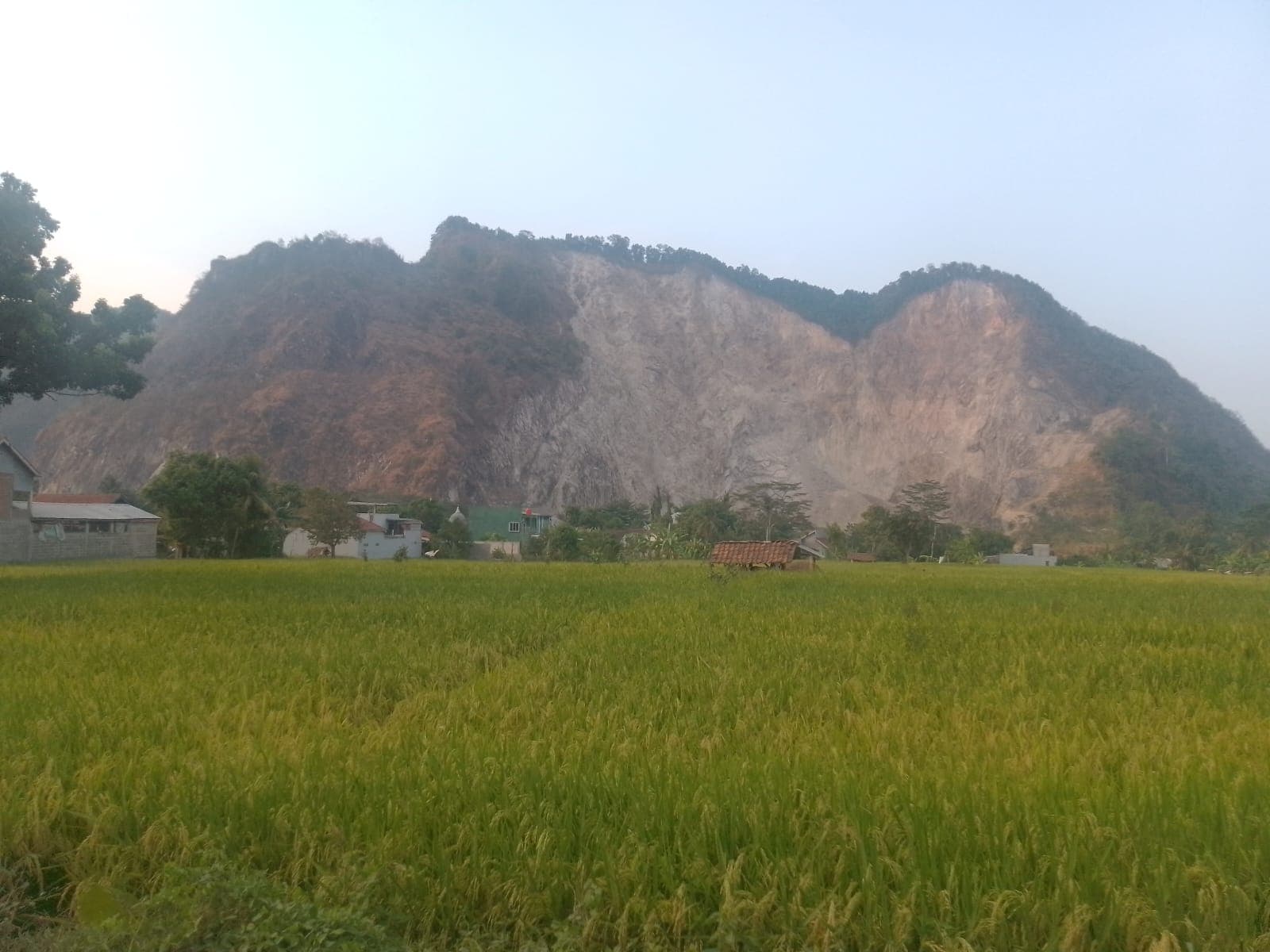
Discover Desa Bobos in Dukupuntang, Cirebon, a village known for its natural stone craftsmanship, traditional Ruwahan celebrations, and Wayang Kulit performances. Explore its local heritage, community life, and tourism potential, including Gunung Kuda and Bukit Lumpang, while discovering opportunities to preserve its cultural and economic identity.
Exploring the history, cultural memory, and community life of Kampung Kecapi, Harjamukti, where Cirebon’s agrarian roots and historical legacies meet contemporary neighborhood solidarity and civic innovation.
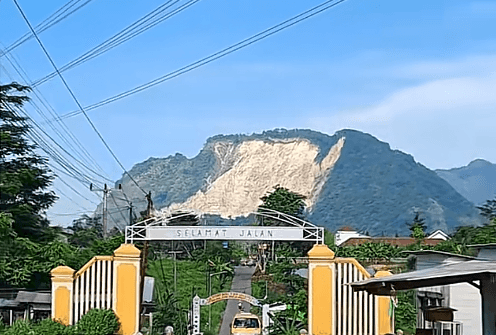
The profile of Cikalahang village, the historical value and tourism.
Read moreDiscover how Astana Village weaves faith, history and everyday trade into one living culture, from the nine gates of Sunan Gunung Jati’s tomb to the stalls selling local specialties. Find out why protecting its sanctity, and the comfort of its pilgrims, matters as much as growing its tourism.
Read more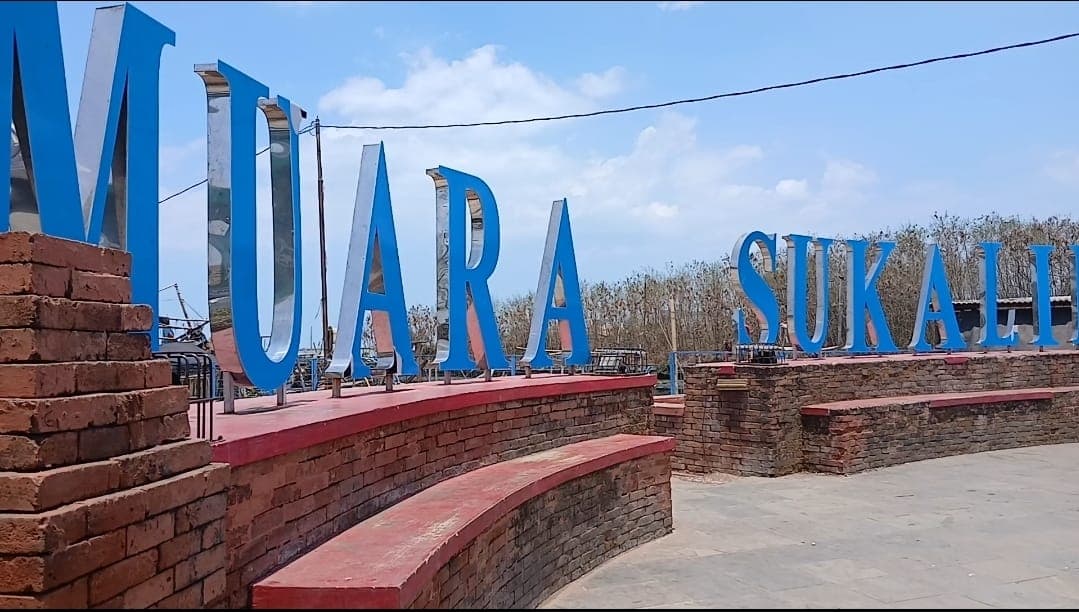
Panjunan, a coastal community in Cirebon, is shaped by its maritime livelihoods, cultural traditions, and local identity. Field observation along Jalan Nelayan explored Nadran and the Budug Basu wayang tradition, fish trading, local language, and opportunities for cultural and coastal tourism. Information from local interviews also highlights the everyday economic role of fish products and the challenges of preserving cultural heritage and managing the coastal environment.
This article explain about the story of Kaliwulu Village. Located in Plered District, Cirebon Regency, Kaliwulu Village is a borderd zone community that harmoniously blends Islamic historical heritage, living traditions, and generational creative industry. Tracing its origins to a spiritual stopover by Sunan Gunung Jati and pioneered by Ki Gede Kaliwulu (Syekh Syarif Abdurrahman), the village preserves the ancient Masjid Keramat—uniquely built with wooden pillars and no stone foundation—alongside the sacred Petilasan Buyut. Social cohesion is maintained through the quadrennial Buka Sirab gotong-royong ritual, annual Suro Sedekah Bumi ceremonies, Wayang and Sintren performances, and the respectful use of Cirebon and refined Babasan speech. Economically, most residents thrive as first-hand wooden and rattan furniture artisans complemented by the local culinary specialty Burdage, positioning Kaliwulu as a vibrant cultural and educational tourism asset in Cirebon
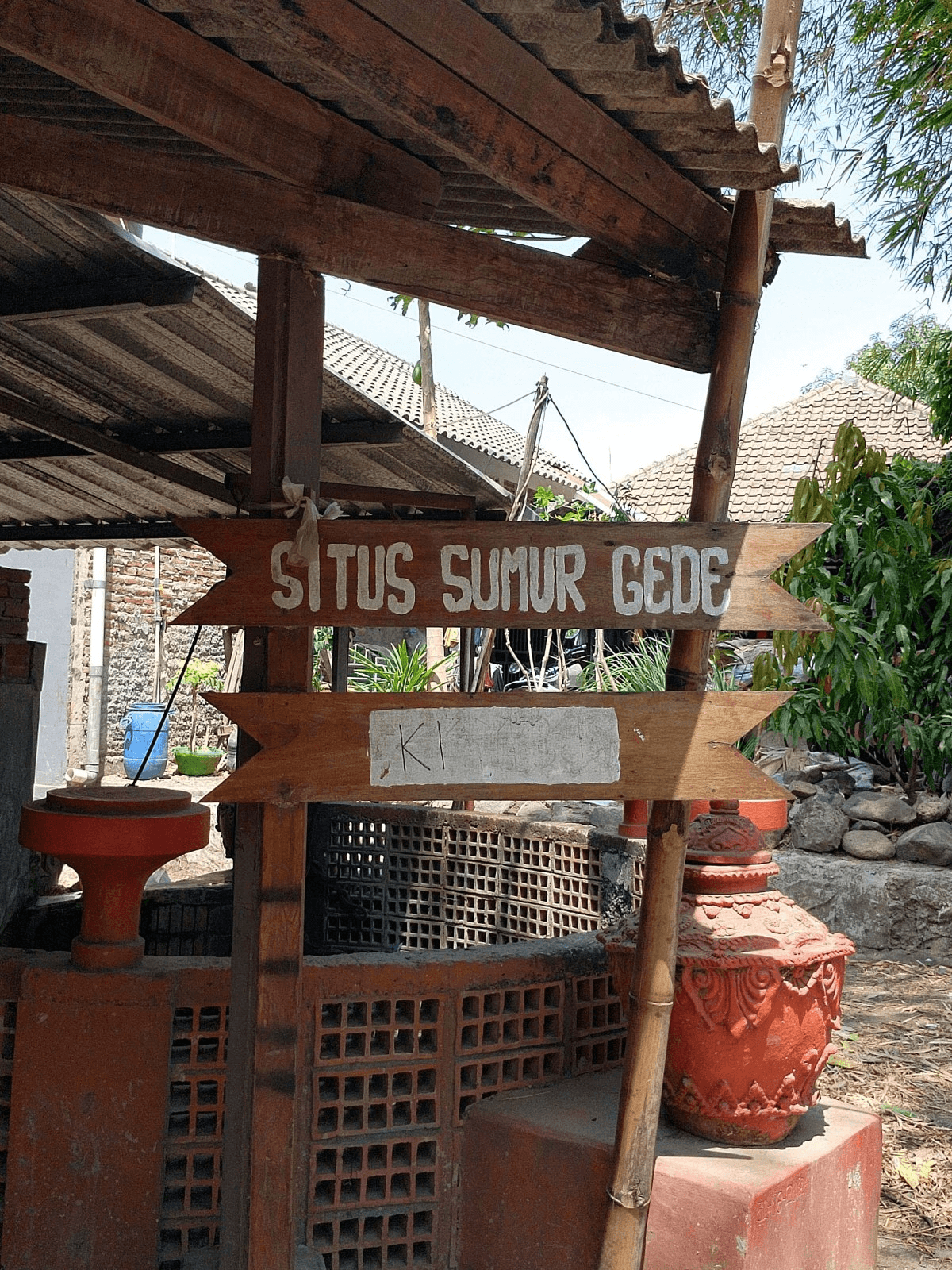
Sumur Gede and the Living Traditions of Desa Kecomberan, Cirebon
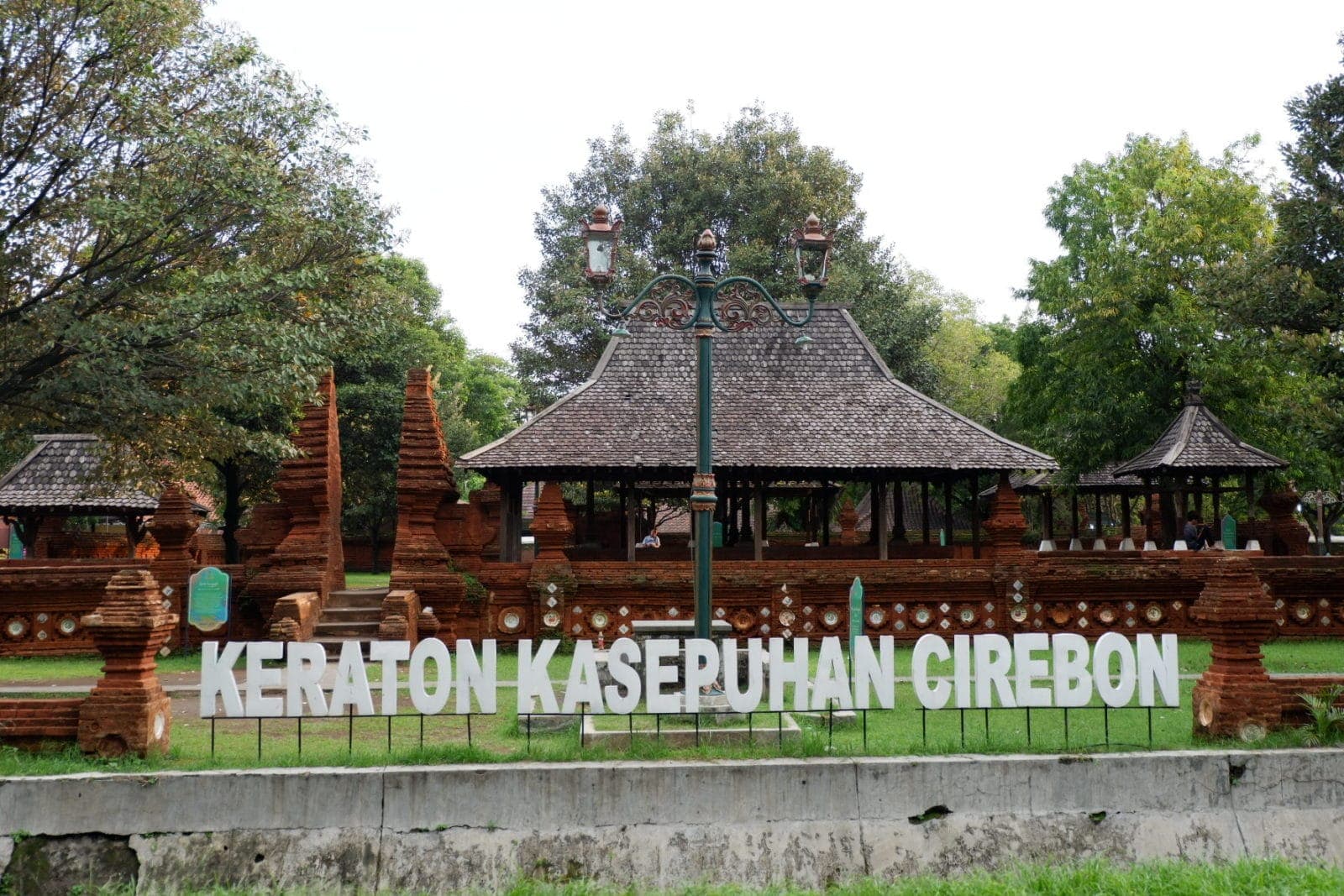
Kasepuhan, Cirebon, is rich in cultural and historical heritage, particularly through the traditions of Jamasan Pusaka and Muludan, as well as historical artifacts at Kasepuhan Palace. Based on field observations and interviews, this article explores the area's cultural heritage and local economic activities, highlighting the importance of cultural preservation and tourism for the surrounding community.
An agrarian village with strong spirit of mutual cooperation, Ciawigajah develop its agrotourism and economy potential
Read moreAn in-depth exploration of Krandon Village in Talun, Cirebon, revealing its 14th-century spiritual artifacts, sacred Jumat Kliwon rituals, and the deep cultural significance of Mbah Kuwu Sangkan's legacy amidst a growing local economy.
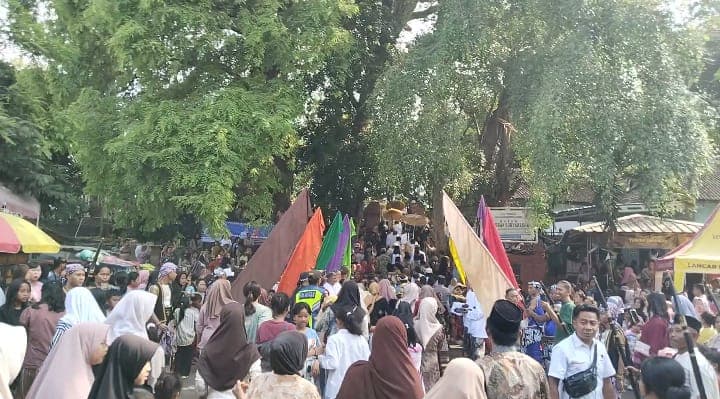
The village of Wanacala, in the Harjamukti subdistrict of Cirebon City, still preserves various traditions passed down from its ancestors, such as Ngunjung Buyut, Sedekah Bumi, and Gaman. Centered around the sacred tomb of Prince Suryanegara, these traditions reflect reverence for ancestors, the value of community, local beliefs, and the area’s cultural identity. This article examines the range of traditions, historical legacies, cultural characteristics, and the daily life of the Wanacala community based on field observations and interviews with community leaders and local residents.
Sindangkasih Village, located in Beber District, Cirebon Regency, West Java, has rich cultural traditions, historical heritage, and natural resources. The community still depends on agriculture, especially rice fields, and still practices home skills such as sewing. These daily activities reflect hard work, togetherness, and strong relationships among community members. In addition, Sindangkasih Village has an old sacred area with very large trees and ancient stone graves, which are believed to be the resting places of the ancestors or village founders. The village also has economic potential through agriculture and home industries. Its beautiful landscape, including wide rice fields, old trees, and sacred sites, creates opportunities for cultural and educational tourism.
Profile of Sampih Village in Susukanlebak, Cirebon, highlighting its agrarian livelihood, founding history of the three Buyuts, living traditions such as Babarit, Rebo Wekasan, Ngupatan, and sawer, local beliefs and taboos, and moderate tourism and culinary potential.
This article explores the agricultural, economic, and cultural potential of Purwawinangun Village, Cirebon. Based on field observation and interviews, it discusses local farming activities, seasonal challenges, traditional agricultural tools, and the Mapag Sri tradition as part of the village's cultural identity.
Tucked between the city and the regency of Cirebon, Astapada Village keeps its ancestors close. Through a field observation and interviews with local residents, this article explores a sacred tomb site, a legend of a well moved from Demak, and living traditions like ngunjung buyut. Discover how culture and local life shape the village’s identity.
Drajat Village in Kesambi District, Cirebon City, preserves local memory of the spread of Islam through oral history linked to Sunan Drajat and Pangeran Drajat. Field observation and interviews with two local sources on 30 October 2026 show that traditions such as the Safar bathing ritual, ngapem, pilgrimage, tawasul, tahlilan, and Maulid Nabi are still known and practised. Residents care for the mosque, wells, and tomb, and the village has potential for heritage tourism, provided its sacred values and community life are protected.
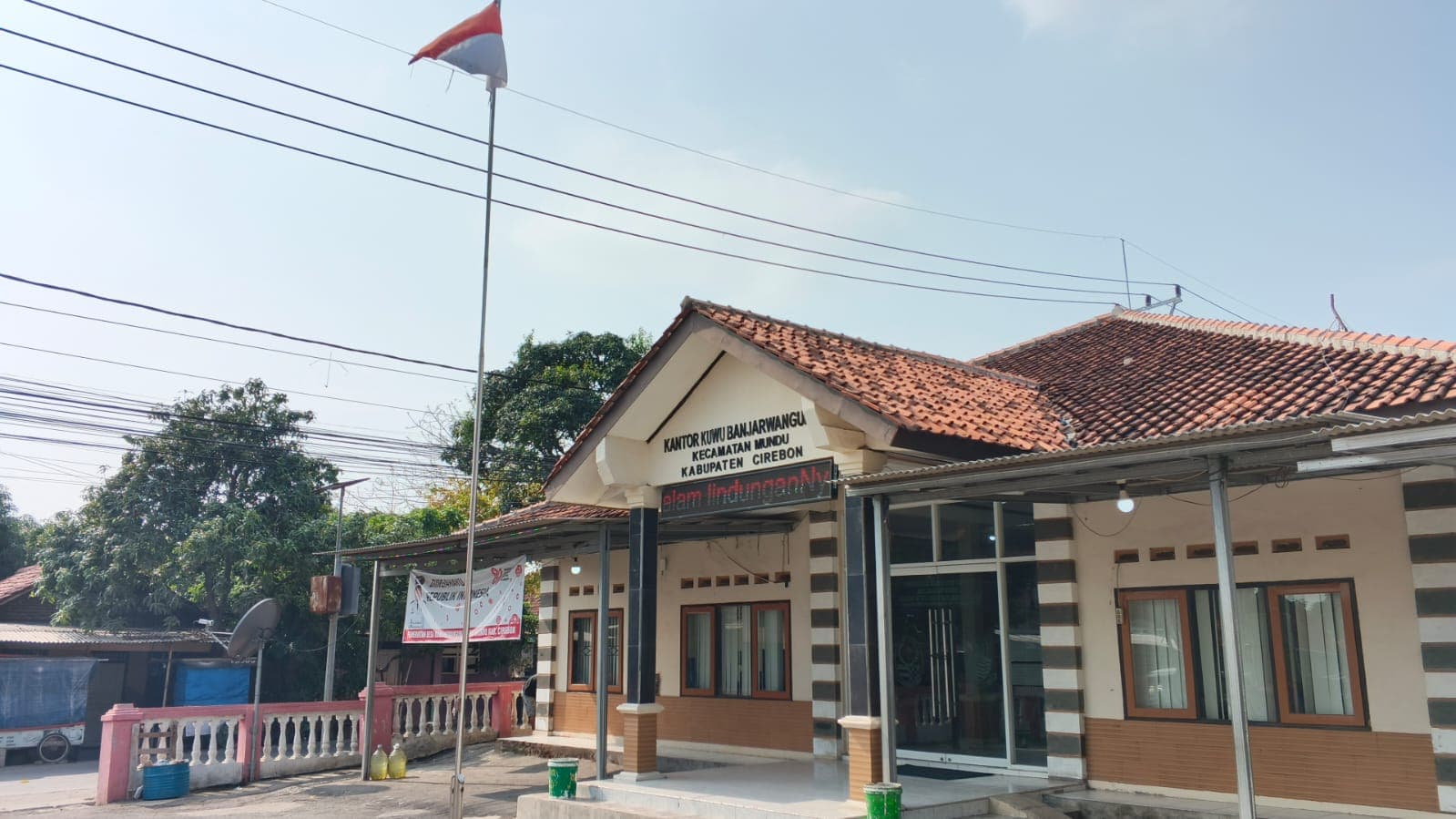
Banjarwangunan Village is located in Mundu District, Cirebon Regency. Based on field observation, interviews, and documentation, the village has several cultural and historical elements that are still preserved by the local community. One of the most important traditions is Sedekah Bumi, an annual ceremony held to show gratitude and respect to ancestors. The village also has Pangeran Kajoran's Tomb, which is considered an important historical site by local residents. Besides its cultural heritage, Banjarwangunan has community programs that help improve local economic activities. This article discusses the village profile, traditions, language, cultural heritage, and the importance of preserving local culture in Banjarwangunan Village.
Lawang Gede is an important historical and cultural heritage site in Mertasinga Village, Cirebon. The site is associated with the history of the Mertasinga Palace and the ancient Kingdom of Singhapura. It preserves historical remains such as a traditional brick gate, an old wooden door, and an ancient well. The local community maintains cultural traditions such as tahlilan and ngunjung, which reflect spiritual values and respect for ancestors. The community also uses Cirebon Javanese with the O dialect in daily communication. Based on the field observation, Lawang Gede has strong potential to become a historical and educational tourism destination. However, preservation, historical verification, and community participation are necessary to protect its heritage. By working together, the people of Mertasinga can preserve their cultural identity and introduce their historical heritage to future generations.
This article explores the history, cultural heritage, local legends, traditions, and beliefs of Megugede Village in Weru District, Cirebon. Based on field observation and interviews with local community members, the article highlights the story of Ki Gede Megung, the Keramat Mosque, traditional sites, community traditions, and local beliefs that continue to shape the identity of Megugede.
A field observation of Sutawinangun Village, Kedawung District, Cirebon Regency, covering its performing arts, life-cycle traditions, the Ki Gede folktale, language use, and village economy, including the BUMDes fishing pond.
Read more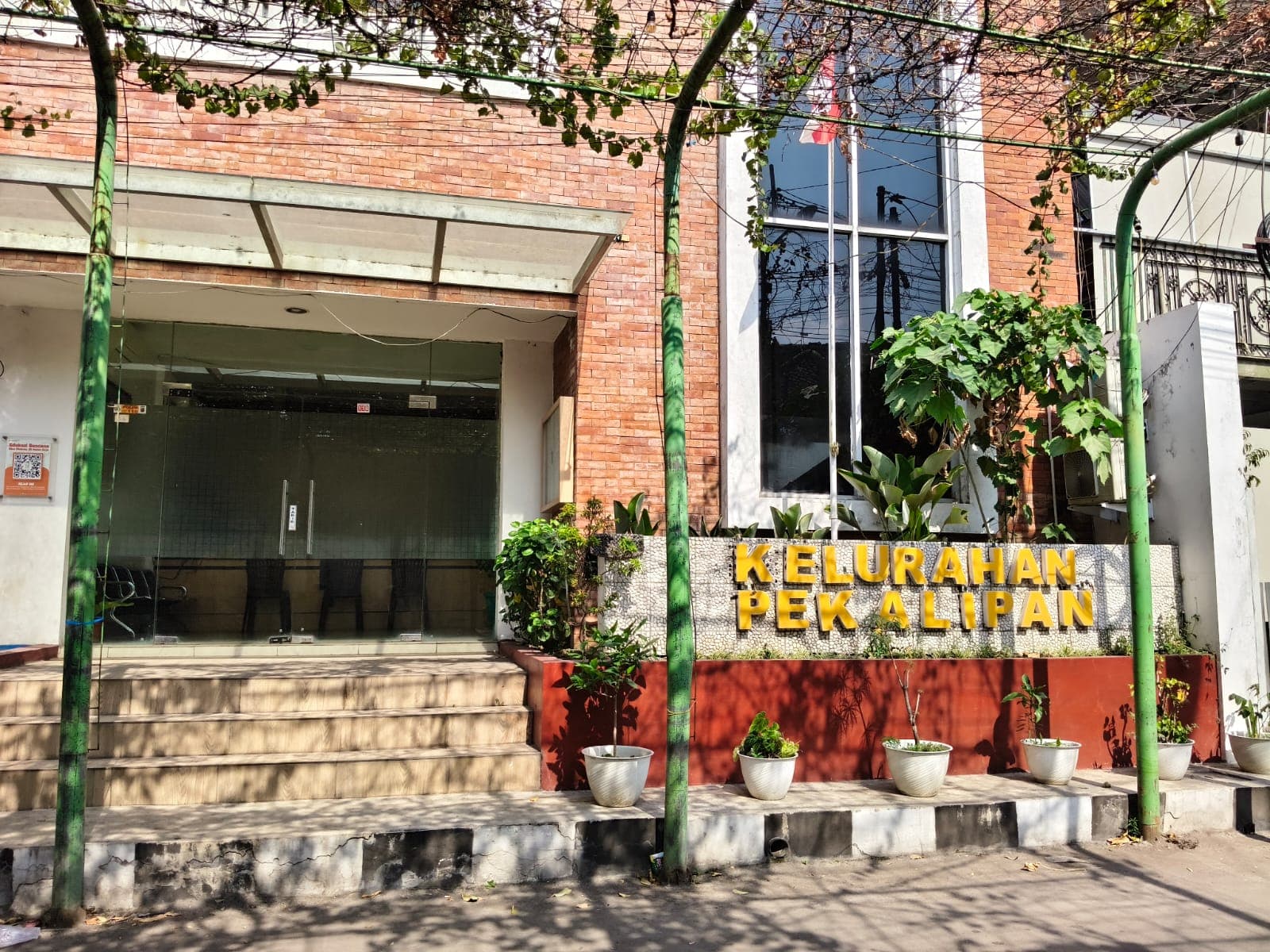
Pekalipan is an urban village in Cirebon with a rich historical and cultural background. From the Tomb of Syekh Maulana Maghribi and Festival Kepatihan II to traditional symbols and local community activities, Pekalipan reflects the cultural richness of Cirebon.
This article explores the cultural heritage, local economy, and tourism potential of Walahar Village in Cirebon. Based on field observations and interviews, this article highlights traditional arts, cultural ceremonies, local products, and stories surrounding the Batu Bleneng in the village.
Kalijaga Village is a historically and culturally significant area located in Harjamukti, Cirebon City, West Java. The village is known for its connection to Sunan Kalijaga, one of the important figures in the spread of Islam in Java. Its historical identity can be seen through cultural sites such as the Tomb of Sunan Kalijaga and the sumur keramat (sacred well). Besides its historical heritage, Kalijaga has an active local community with various livelihoods, including entrepreneurship, and good accessibility for visitors. Through its historical sites, local knowledge, and community involvement, Kalijaga Village represents an important part of Cirebon's cultural identity that deserves recognition and preservation.
Kalijaga Village is a historically and culturally significant area located in Harjamukti, Cirebon City, West Java. The village is known for its connection to Sunan Kalijaga, one of the important figures in the spread of Islam in Java. Its historical identity can be seen through cultural sites such as the Tomb of Sunan Kalijaga and the sumur keramat (sacred well). Besides its historical heritage, Kalijaga has an active local community with various livelihoods, including entrepreneurship, and good accessibility for visitors. Through its historical sites, local knowledge, and community involvement, Kalijaga Village represents an important part of Cirebon's cultural identity that deserves recognition and preservation.
Wanakaya Village, located in Gunung Jati District, Cirebon Regency, West Java, is a village with diverse cultural, economic, social, and tourism potential. Its geographical landscape, consisting of agricultural areas, rice fields, and fish ponds, plays an important role in supporting the livelihoods of local residents. The village also has various cultural traditions, performing arts, local language, and social values that reflect the identity of its community. Traditional food products such as sale pisang and intip melinjo demonstrate the creativity and economic potential of local businesses. In addition, places such as Embung Wanakaya and Condong Market contribute to the village's environmental, social, and economic activities. Through cultural preservation, community participation, local business development, and sustainable tourism planning, Wanakaya Village has the opportunity to develop its potential while maintaining its traditions, local identity, and community values.
Desa Kubang in Talun District, Cirebon Regency, is a village with rich historical heritage, cultural traditions, and local economic potential. From its river tubing attraction to its sumpia industry, the village showcases how local culture and community activities contribute to its identity and development.
Read more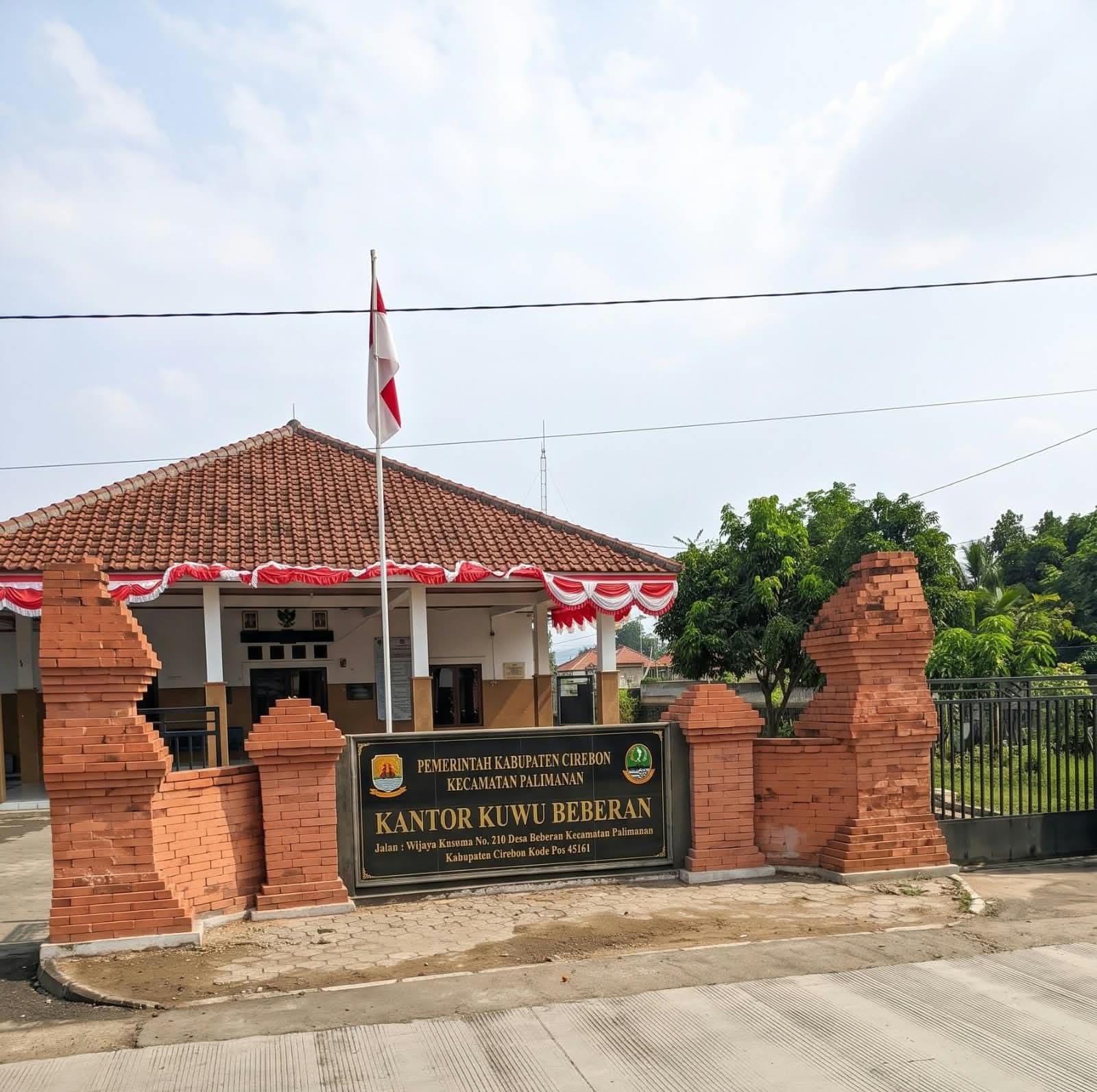
Beberan is a small village in Palimanan Subdistrict, Cirebon Regency. The village was formed by the merger of two blocks: Kedung Dadap and Beran. Interviews with Mr. Usman and Mr. Abdullah were conducted at their respective homes on October 27 and 28, 2026, and it became clear from these interviews that the villagers take great pride in the Quran memorizers in their village. The tradition of praying for ancestors through ratiban and haul ceremonies is also still practiced every year. This article discusses the history and important sites in the village, the traditions of its residents, and their significance to Cirebon culture. The final section also addresses the challenges that must be overcome if Beberan is to become recognized as a tourist destination.
Lungbenda Village in Cirebon, West Java, has a unique local identity shaped by agriculture, catfish farming, and cultural traditions. Through field observation and interviews with local residents, this article explores the village's economic activities, the Sedekah Bumi tradition, and local symbols such as the Tugu Lele statue.
Read moreThis article examines the historical origins, cultural identity, local economic activities, language shifts, and coastal tourism potential of the Bungko area in Kapetakan District, Cirebon Regency. Combining direct field observations in Bungko Induk (Bungko Kidul) with historical chronicles and digital documentation, it highlights how traditional heritage such as Angklung Bungko and Nadran, alongside marine-based industries and coastal destinations like Pantai Sarwajala, shape the community's identity and sustainable development.
Read more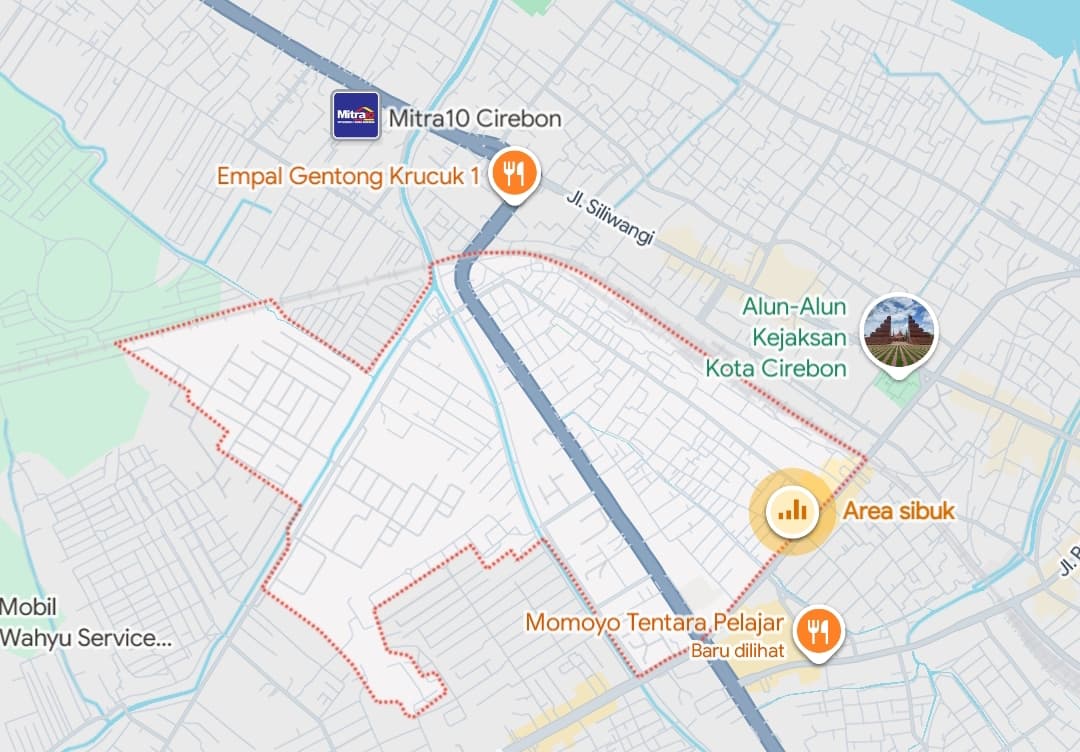
What makes a community unique? In Sukapura, the answer can be found in its traditions, local language, and everyday activities. From religious gatherings and traditional ceremonies to small businesses that support the local economy, Sukapura shows how culture and economic life grow together. A field observation in October 2026 reveals the cultural richness and economic potential of this community, as well as the importance of preserving its traditions for future generations
Jadimulya is a village in Gunung Jati District, Cirebon Regency, West Java. Located near the border of Cirebon City, it has experienced changes through expanding residential areas and diverse economic activities. Despite these developments, local traditions, regional languages, and community practices remain part of everyday life, reflecting the relationship between cultural heritage and modernization.
Read moreDesa Gesik is a village located in Tengah Tani District, Cirebon Regency, West Java. The village has a traditional cultural activity known as Mider Buyut or Buyut Mider. This tradition is one of the cultural characteristics of the local community. It involves people walking around the village boundaries while carrying traditional objects passed down through generations. Based on a field observation and an interview conducted on October 27, 2026, Buyut Mider has an important meaning for the people of Desa Gesik. It is not only a traditional activity but also reflects local beliefs, religious values, and social relationships. According to the interviewee, this tradition is usually performed in certain situations, such as pageblug, or an outbreak believed to disturb the lives of the community. Through this activity, residents come together to pray for protection and safety while maintaining a tradition that has been passed down over time.
Read more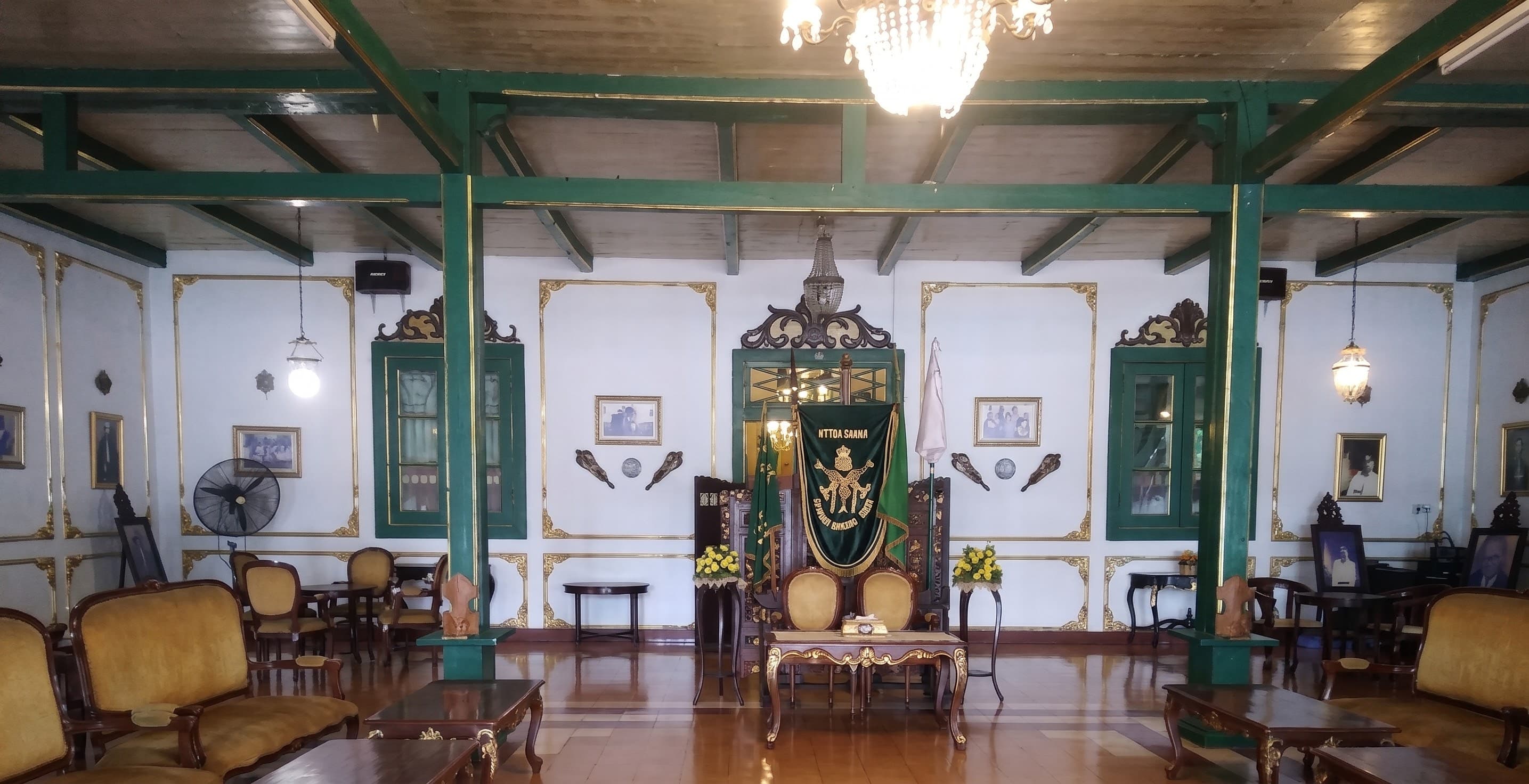
Keraton Kacirebonan in Pulasaren, Cirebon, is a historic and important palace that today also serves as a museum. It preserves historical objects, traditional buildings, and living traditions such as Muludan and Panjang Jimat, making it a valuable place for understanding Cirebon’s history and cultural identity, and for appreciating why local heritage must be preserved.
Desa Jatimerta is a village in Gunung Jati District, Cirebon Regency, West Java. It is known for its cultural and religious heritage, particularly the pilgrimage traditions and seven traditional wells in the Gunung Jati area. The village also has local economic potential supported by businesses selling flowers, food, drinks, and traditional products to visitors.
Read moreDiscover the local history, cultural traditions, and community potential of Adidharma Village in Gunung Jati, Cirebon, including the legend of Perawan Sunti and the Nadran tradition.
Discover how Astana Village weaves faith, history and everyday trade into one living culture, from the nine gates of Sunan Gunung Jati’s tomb to the stalls selling local specialties. Find out why protecting its sanctity, and the comfort of its pilgrims, matters as much as growing its tourism.
Read more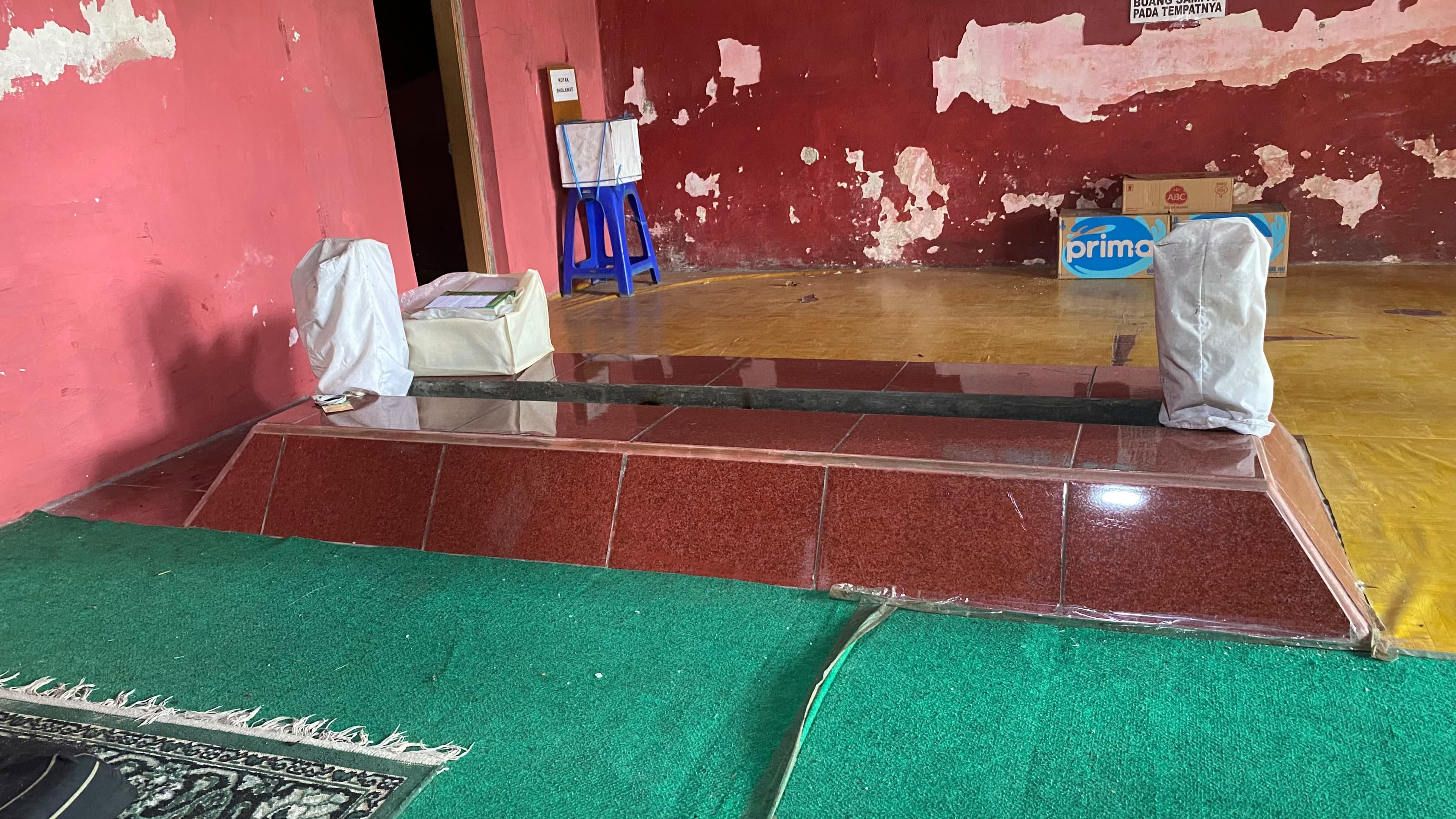
This article explores the historical, religious, cultural, and social significance of the Pangeran Cucimanah Mosque and Sapu Jagat Cemetery in Jagasatru, Cirebon. It discusses the history of the mosque, the three princely figures associated with the cemetery, local beliefs surrounding the Cucimanah Well, and religious traditions practiced by the local community. It also highlights traditional grave visitation, the use of the Javanese language, and economic activities around the area. Overall, this article explains how historical heritage, religious values, and community life are closely connected in preserving the cultural identity of Jagasatru.
Discover the local culture of Kertawinangun Village, Cirebon, through its traditional ceremonies, local history, and everyday community life. This article takes a closer look at Sedekah Bumi, the Muludan celebration, and the unique Buyut Kayu Perbatang ritual at Balong Keramat Tuk. Based on field observations and an interview with Ibu Eca, it explores how local residents keep their traditions alive while facing changes in modern community life.
Read more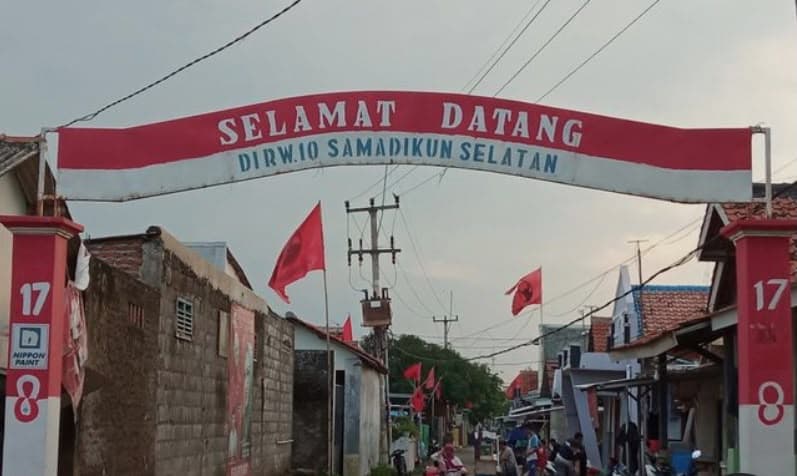
Nadran (sea alms) is a tradition in Kampung Samadikun, Kesenden, Cirebon, where fishermen give thanks to God for the sea's bounty. It reflects the bond between people and the sea and is an important part of Cirebon's coastal heritage that should be preserved.
Read moreNadran (sea alms) is a tradition in Kampung Samadikun, Kesenden, Cirebon, where fishermen give thanks to God for the sea's bounty. It reflects the bond between people and the sea and is an important part of Cirebon's coastal heritage that should be preserved.
Read moreDiscover Trusmi, a cultural destination in Cirebon known for its traditional batik, historical heritage, and local economic activities. From the distinctive beauty of Batik Trusmi to the Memayu Buyut Trusmi tradition and its creative ogoh-ogoh displays, this article explores the cultural identity and tourism potential that make Trusmi unique.
This article explores the history and cultural traditions of the Jabang Bayi Sacred Tomb in Kesambi District, Cirebon City. The tomb is known as a pilgrimage site with historical stories and local beliefs passed down through generations. Based on an interview with the caretaker, Bapak Kani, the story of the tomb began when a fisherman found an infant's body in a coffin at sea. The remains were later buried near Cirebon Harbor before being moved to the Jabang Bayi public cemetery (TPU Jabang Bayi) in 1933. Besides its history, the tomb is also known for its pilgrimage and nadar traditions. Some visitors come to pray, express their wishes, and promise to fulfill their nadar if their wishes come true. Visitors also bring flowers, incense, and prayer water as part of their pilgrimage. The tomb also supports the local economy, as nearby residents sell items used for pilgrimage and receive donations from passing vehicles. Overall, the Jabang Bayi Sacred Tomb is an important part of Cirebon's local heritage because of its historical stories, cultural traditions, and role in the community.
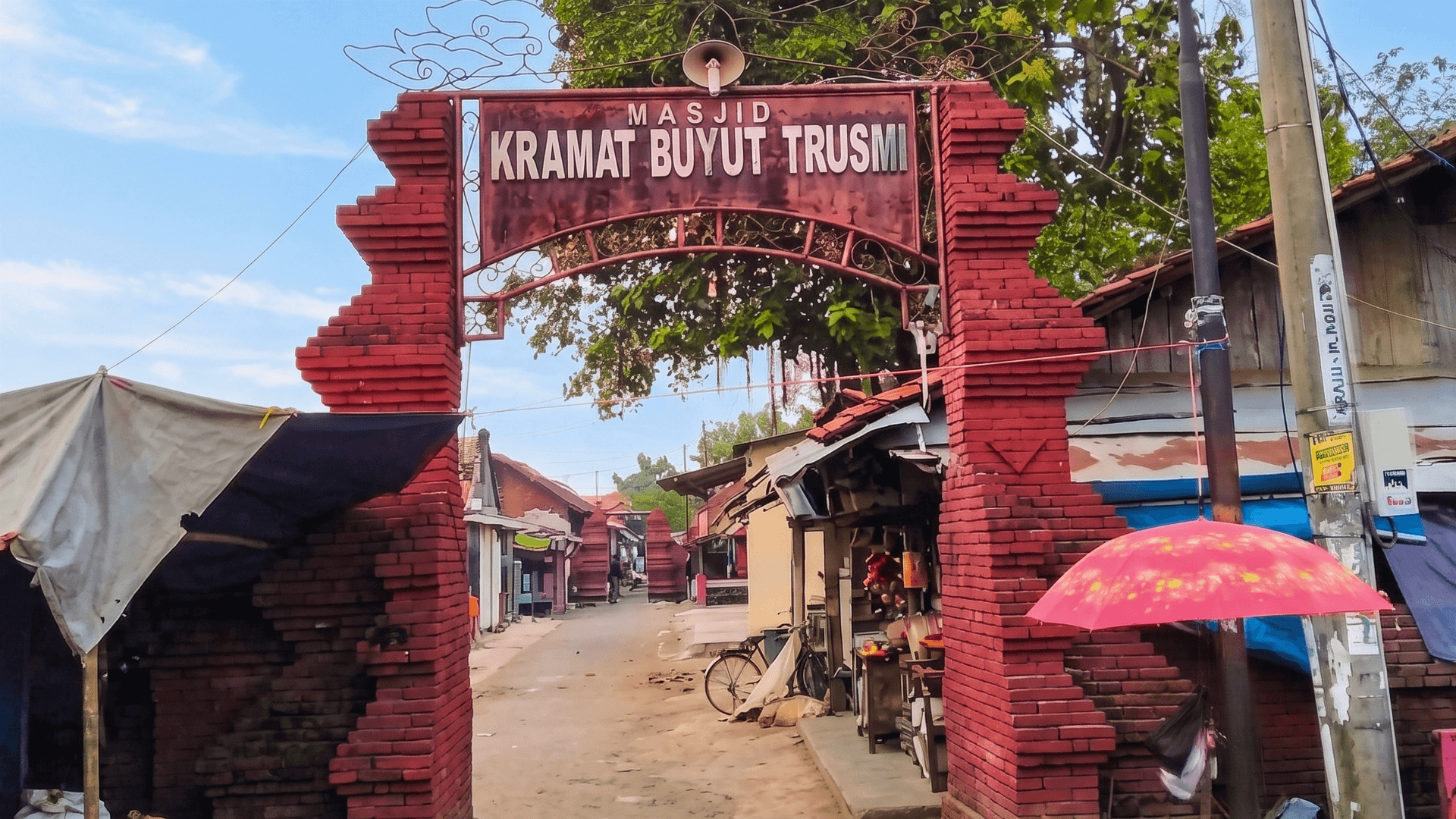
Trusmi Wetan is well known as a batik center, but a visit to the village shows there is more to it. The reed-roofed mosque tradition, a historic pond, and Megamendung batik all shape how residents see themselves. This article shares what I saw and heard in the village, and the challenges of protecting these traditions as tourism grows.
An observation of Halimpu Village, uncovering how the Sundanese language, sacred sites like Makam Panjang, and the zero-waste philosophy of traditional bamboo weavers serve as a living archive of Cirebon's borderland identity.
Read more