

Introduction

Every village carries an identity shaped by the traditions, livelihoods, and local knowledge that its people have preserved over time. This identity is not found only in historical monuments or traditional buildings. It is also visible in everyday routines, communal activities, and the way residents speak, work, and live together. Dukupuntang Village, located in Dukupuntang District, Cirebon Regency, West Java, is one such place, where culture lives quietly within daily life.
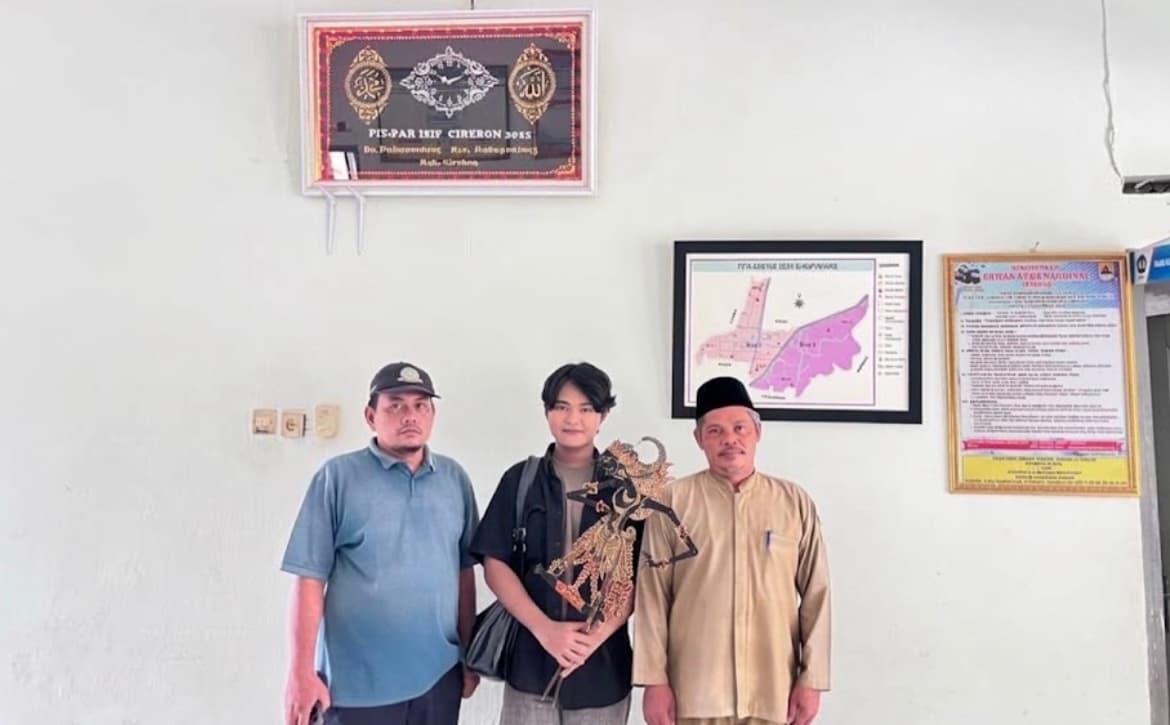
On October 26, 2026, a field observation was conducted in Dukupuntang Village to explore its cultural and economic potential. The observation combined direct observation with interviews with two local residents, Bapak Ali and Bapak Mandor. The findings reveal a village with meaningful religious traditions, a distinctive traditional craft, and economic activities that are closely tied to the everyday lives of its people.
Village Profile and Local Characteristics
Dukupuntang Village lies in Cirebon Regency, West Java. According to the observation and the information provided by local residents, approximately 80% of the village population earns a living through agriculture and trade. Some residents also leave the area to seek employment elsewhere so that they can support their families.
Agriculture and trade form the backbone of the village economy. Farmers sustain the agricultural activities that provide food and income, while local traders supply the goods and services that meet the daily needs of the community. Together, these activities show how economic life in the village is rooted in the practical needs of its residents.
However, accessibility remains a challenge. During the observation, several roads were found to have potholes, which made travel by vehicle more difficult and could limit the mobility of residents. The village was also not easy to locate because direction signs in some areas were limited. Improving road conditions and providing clearer directions would help both residents and visitors reach the village more easily.


Local Values and Religious Traditions
One of the most distinctive characteristics of Dukupuntang Village is its religious and social life. According to the two residents interviewed, the community is predominantly Muslim, and religious activities remain an important part of everyday life.
Several traditions are still practiced by the community, including communal tahlilan, the sharing of food at the cemetery during the month of Rajab, and a torch parade held before Ramadan. These activities are not only religious practices. They also express values of togetherness, charity, respect for ancestors, and care for others.
The tradition of sharing food at the cemetery during Rajab shows clearly how religious values and local customs are connected. Residents prepare food to be shared as part of a tradition associated with prayer, charity, and remembering previous generations. Communal tahlilan, meanwhile, gives residents an opportunity to gather, pray together, and strengthen their relationships with one another.
These traditions demonstrate that cultural identity is not always represented by physical objects. It can also be found in shared beliefs, values, and activities that are carried from one generation to the next.


Wayang Kulit as Traditional Cultural Heritage
Besides its religious traditions, Dukupuntang Village also has traditional craft potential, particularly Wayang Kulit. Wayang Kulit is a traditional art form used in shadow puppet performances. It is also a cultural artifact, because making it requires specific skills and careful craftsmanship.
Based on the interview with Bapak Mandor, the Wayang Kulit craft found in the village is made from cowhide. The production process includes preparing the hide, creating patterns, cutting the material, carving the details, and adding colors. Each stage demands patience, precision, and artistic ability.
This craft carries both cultural and economic value. It represents traditional artistic knowledge, and it also has the potential to provide income for local artisans. According to the observation notes, the craft is still maintained, and its preservation depends on the artisans and on the community members who continue to support the skill.
Wayang Kulit is therefore an important cultural asset that deserves attention. Introducing the craft through exhibitions, cultural events, and digital documentation could help more people recognize its value and encourage younger generations to learn about traditional craftsmanship.


Economic Potential and Local Languages
The economic activities in Dukupuntang Village are mainly related to agriculture and trade, which provide livelihoods for many residents. In addition, traditional crafts such as Wayang Kulit offer an opportunity to develop a creative economy built on local culture.
The village also shows linguistic diversity. Based on information from the residents, Javanese is commonly used in daily communication. However, some residents, especially those living near the border of Kuningan Regency, also use Sundanese. The use of both languages reflects the influence of the surrounding regions and the diversity within the community.
Language is an important part of cultural identity because it carries local expressions, habits, and ways of communicating. The continued use of Javanese and Sundanese shows that local languages remain a living part of social life in the village.
Cultural Significance and Opportunities for Preservation
The cultural potential of Dukupuntang Village can be developed through activities that involve the local community. Traditional crafts could be introduced through exhibitions, social media, and documentation of the production process. These efforts may help promote local artisans and open opportunities for economic activities based on culture.
Religious and cultural traditions, such as the torch parade and Sedekah Makam, can also be documented as part of the village's cultural profile. However, they should be presented respectfully, and their religious meaning should never be altered simply to attract visitors.
Young people, village officials, religious leaders, artisans, farmers, traders, and other residents should all be involved in preservation efforts. Their participation matters because cultural preservation should ultimately benefit the community that owns and maintains the traditions. Improving road conditions and providing clearer direction signs could also support accessibility, helping visitors learn about the village while making daily mobility easier for residents.
Conclusion
Dukupuntang Village has cultural and economic potential that can be seen in its religious traditions, Wayang Kulit craft, agriculture, trade, and use of local languages. Together, these elements represent the identity and everyday life of the community.
Although road accessibility remains a challenge, the village has real opportunities to introduce and preserve its local potential. Through community involvement, cultural documentation, digital promotion, and support for traditional artisans, Dukupuntang Village can maintain its heritage while creating opportunities for future development. Preserving local culture is not only about introducing it to visitors but also about ensuring that it remains meaningful to the people who practice it.
Sources
Interview with Bapak Ali, a Village Official of Dukupuntang Village.
Interview with Bapak Mandor, a Village Official of Dukupuntang Village.

