


Sources
interview with the head of Cisaat village
Exploring the Cultural Heritage and Local Wisdom of Cisaat Village, Dukupuntang, Cirebon Introduction Cisaat Village is one of the villages located in Dukupuntang District, Cirebon Regency, West Java, Indonesia. The village has interesting historical, cultural, and natural characteristics that reflect the identity of the local community. Beyond its geographical location, Cisaat Village has cultural traditions, local culinary products, historical stories, and natural attractions that deserve attention and preservation. This observation focuses on the environmental conditions, social life, public facilities, historical sites, cultural traditions, and local wisdom of the people of Cisaat Village. Several important places, including the village office, Bumi Pancasila, and Citiwu Spring, provide opportunities to understand the village's development and cultural heritage. Main Content 1. Environmental Conditions and Community Life Cisaat Village has a rural environment characterized by residential areas, agricultural surroundings, and community activities. The village environment represents the relationship between local people and their natural surroundings. Community life is an important aspect of the village's identity. Social interaction, cooperation, and mutual assistance are values that contribute to maintaining relationships among residents. These values can be observed through everyday activities and community participation in maintaining the village environment. The rural atmosphere also provides an opportunity to understand how local communities preserve their traditions while adapting to social and economic changes. 2. Village Government and Public Facilities The village office is an important public facility because it serves as the administrative center for local government activities. It plays a significant role in providing public services, managing village administration, and supporting community development. Public facilities are essential for improving residents' quality of life. The existence of village administrative services and other community facilities demonstrates the importance of local government in supporting social welfare and village development. The village government also has an important responsibility in maintaining cultural heritage, supporting local economic activities, and encouraging community participation in development programs. 3. Bumi Pancasila as a Local Tourism Destination One of the interesting places in Cisaat Village is Bumi Pancasila. This location is associated with outdoor activities, recreation, and educational experiences. Its natural surroundings provide opportunities for visitors to enjoy the rural atmosphere and participate in outdoor activities. Places such as this can contribute to local tourism development and introduce the natural potential of Cisaat Village to visitors. Bumi Pancasila also has the potential to become a place for environmental education and community activities. The development of local tourism should be accompanied by environmental awareness and responsible management to ensure that its natural characteristics are preserved. 4. The Historical Significance of Citiwu Spring Citiwu Spring is an interesting historical and cultural subject in Cisaat Village. According to local historical accounts, the name Cisaat is associated with a story about searching for water using a spear. The water source was reportedly discovered beneath a group of sugarcane plants and later became known as Citiwu. This story represents the relationship between the village's name, its natural environment, and the collective memory of its community. Citiwu Spring is therefore more than a natural water source. It can also be understood as part of the historical identity of Cisaat Village. Preserving stories about this location is important because local history is often transmitted through oral traditions from one generation to another. 5. Traditional Culture and Local Culinary Heritage Cisaat Village has cultural traditions that reflect the religious and social values of its community. Some traditions associated with the village include Hajat Pabarit, Maulid Nabi celebrations, and Ruwatan Bumi. These activities demonstrate the importance of gratitude, togetherness, and respect for cultural heritage. Traditional arts such as Gembyung, Singa Depok, and Jaipong also represent the cultural richness of the Cirebon region. In addition to traditional performances, local culinary heritage is another important cultural characteristic. One notable food associated with Cisaat Village is Papais Cisaat. This traditional food is made from rice flour and palm sugar and wrapped in bangban leaves. Papais represents local culinary knowledge that has been passed down through generations. Its traditional ingredients and preparation methods demonstrate how local communities use available natural resources to create distinctive foods. 6. Community Perspectives and Local Heritage Preservation The participation of local residents and village officials is essential for understanding the history and cultural characteristics of Cisaat Village. Interviews with community members can provide valuable information about the origins of the village, historical locations, traditional ceremonies, and changes in community life. Local knowledge is particularly important because some historical information is preserved through oral stories rather than written documents. Preserving cultural heritage requires cooperation between residents, younger generations, village officials, and cultural communities. Documentation, cultural activities, and educational programs can help ensure that local traditions remain recognized and appreciated. Cultural Significance The cultural heritage of Cisaat Village contributes to the broader cultural identity of Cirebon. Its historical stories, traditional ceremonies, performing arts, and culinary products demonstrate the diversity of local culture. Citiwu Spring represents the relationship between natural resources and historical identity, while Bumi Pancasila provides opportunities for tourism and environmental education. Traditional arts and Papais Cisaat demonstrate the importance of preserving cultural expressions and local culinary knowledge. These cultural elements should not only be regarded as attractions but also as valuable parts of the community's identity and collective memory. Conclusion The observation of Cisaat Village reveals the importance of its natural environment, public facilities, historical stories, traditional arts, and local culinary heritage. Places such as Bumi Pancasila and Citiwu Spring provide opportunities to understand the village's natural and historical potential. Meanwhile, traditions such as Hajat Pabarit, Ruwatan Bumi, and Maulid Nabi, together with traditional performances and Papais Cisaat, reflect the cultural values of the local community. Preserving this heritage requires active participation from residents, village officials, and younger generations. Through documentation, cultural education, and responsible tourism development, Cisaat Village can maintain its cultural identity while introducing its local heritage to a wider audience.
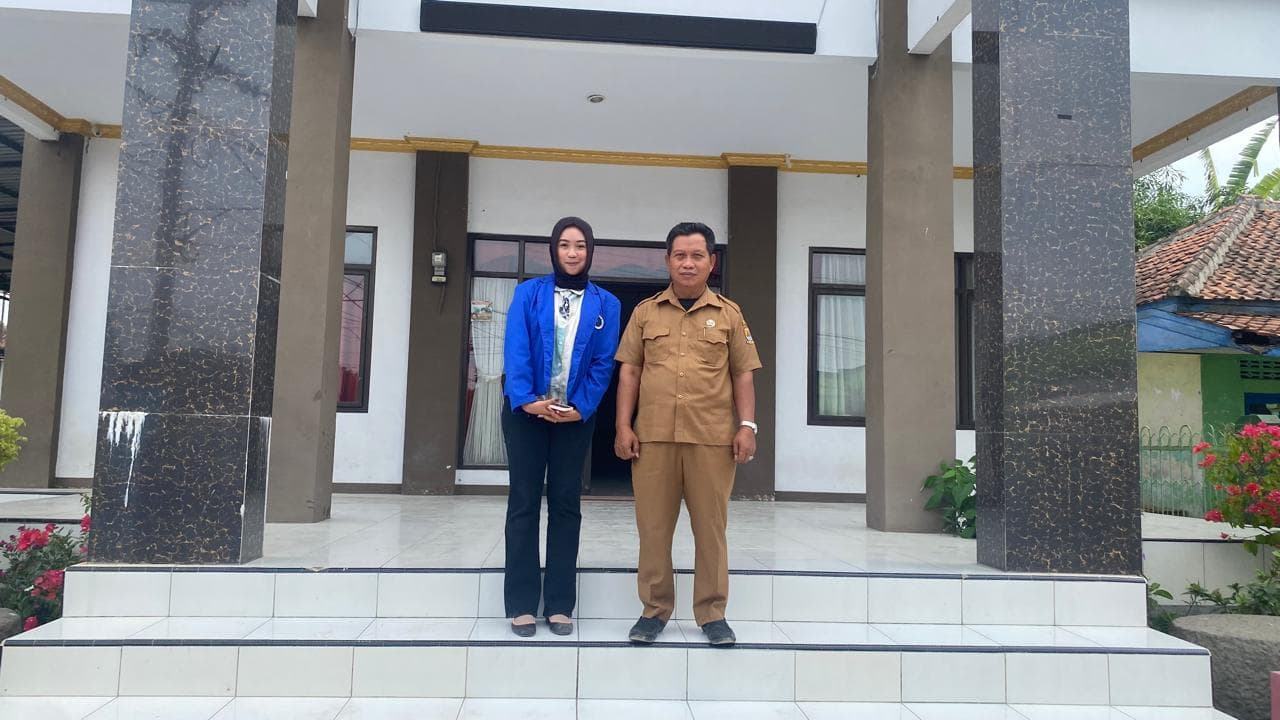
interview with the head of Cisaat village

Jelajahi tradisi budaya, bahasa Jawa dialek Cirebon, sejarah lokal, dan kegiatan ekonomi yang membentuk identitas Desa Jungjang, yang terletak di Arjawinangun, Cirebon.
Lawang Gede is an important historical and cultural heritage site in Mertasinga Village, Cirebon. The site is associated with the history of the Mertasinga Palace and the ancient Kingdom of Singhapura. It preserves historical remains such as a traditional brick gate, an old wooden door, and an ancient well. The local community maintains cultural traditions such as tahlilan and ngunjung, which reflect spiritual values and respect for ancestors. The community also uses Cirebon Javanese with the O dialect in daily communication. Based on the field observation, Lawang Gede has strong potential to become a historical and educational tourism destination. However, preservation, historical verification, and community participation are necessary to protect its heritage. By working together, the people of Mertasinga can preserve their cultural identity and introduce their historical heritage to future generations.

Mandala Village is a village located in Dukupuntang District, Cirebon Regency, West Java. Situated in a hilly area, the village offers a combination of cultural traditions, historical heritage, agricultural activities, and natural attractions. Exploring Mandala Village provides an opportunity to understand not only the daily lives of its residents but also the cultural identity and potential of the local community. From traditional religious practices to historical monuments and beautiful landscapes, Mandala Village has several interesting aspects that deserve attention and preservation.