


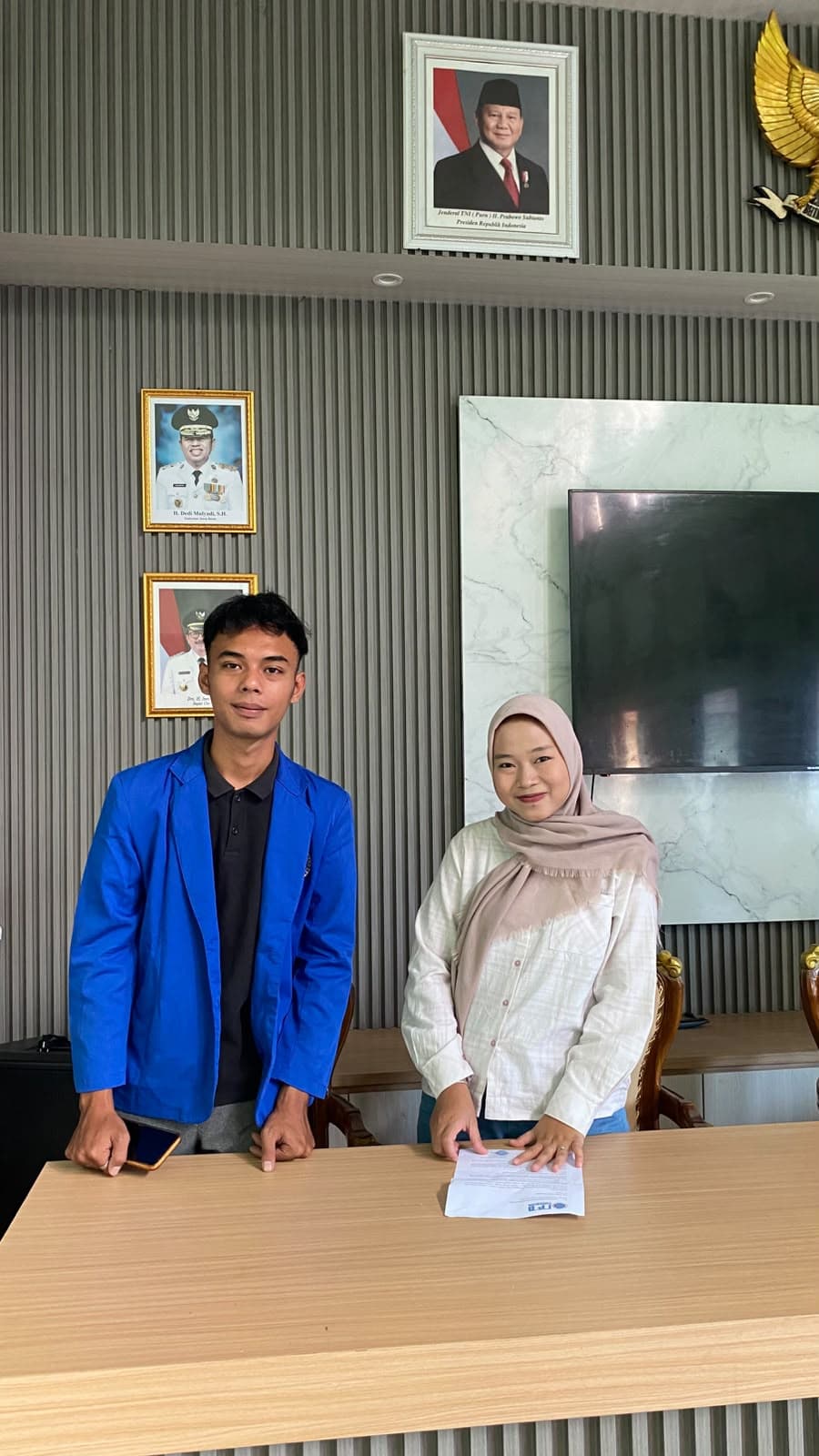
Exploring Matangaji Village: Discovering Its Cultural Heritage, Agricultural Potential, and Tourism Opportunities in Cirebon Cirebon Cultural Profile and Tourism | Field Observation Article Prepared by: Dika Gusti Armansyah | Observation date: 26 October 2026 Introduction Cirebon is a region in West Java, Indonesia, that has a rich cultural identity, historical background, and diverse local traditions. Beyond its well-known historical buildings and traditional attractions, several villages also have interesting cultural and economic potential that deserves greater attention. One of them is Matangaji Village, a rural area with opportunities for developing cultural and community-based tourism. Based on a field observation conducted on October 26, 2026, at the Matangaji Village Head Office, this article explores the village's geographical profile, cultural characteristics, economic activities, and tourism potential. The observation focuses on how local values, agricultural activities, religious life, and local historical connections contribute to the identity of the community. Matangaji Village is interesting to explore because its potential is not limited to natural resources. Its social traditions, religious values, and local historical connections may also become important elements in developing sustainable village tourism. Main Content 1. Geographical Profile and Local Economic Activities Matangaji Village has a geographical area of approximately 248.17 hectares, with an elevation of around 312315 meters above sea level. Its geographical conditions are considered supportive of agricultural activities, which are among the important sources of livelihood for local residents. The village is surrounded by several neighboring areas. To the north, it borders Sidawangi Village in Sumber District, Cirebon Regency. To the south, it borders Cirea Village, Kuningan Regency. Nanggela Village in Kuningan Regency is located to the east, while Cimara Village, also in Kuningan Regency, lies to the west. Agriculture plays an important role in the local economy because it is closely connected to the daily activities and livelihoods of the community. This sector also provides opportunities for further economic development through agricultural products, local businesses, and community-based activities. In addition to agriculture, tourism has the potential to become another source of economic growth. However, developing tourism requires proper planning, supporting facilities, and active participation from local residents. 2. Cultural Characteristics and Community Values One of the interesting findings from the observation is the importance of social and religious values in the community. Gotong royong, or mutual cooperation, remains an important cultural principle that encourages residents to help one another and maintain harmonious relationships. Page 1 Cirebon Cultural Profile and Tourism Other values include family solidarity, respect for others, politeness, religious commitment, and decisionmaking through discussion or musyawarah. These values represent the social character of village life and help maintain relationships among community members. Religious activities, community gatherings, traditional celebrations, and collective activities are also important parts of village life. Such activities provide opportunities for residents to strengthen social relationships and maintain their cultural identity. These cultural characteristics demonstrate that heritage is not always represented by historical buildings or physical objects. It can also exist in people's behavior, beliefs, traditions, and everyday interactions. 3. Historical Heritage and Religious Tourism Potential Another interesting aspect of Matangaji Village is its connection with local history and religious tourism. The village has been associated with the historical figure of Sultan Matangaji, which may provide an opportunity to introduce local historical narratives to younger generations and visitors. This historical connection is potentially valuable because local history can strengthen community identity and provide educational experiences for tourists. However, further historical verification is necessary to establish the figure's biography, historical period, relationship with the village, and the existence of any related historical sites or artifacts. Reliable historical records and interviews with knowledgeable local sources would be important supporting materials. Religious tourism may also become an opportunity for village development. Religious sites and activities can attract visitors who are interested in local history, spiritual experiences, and cultural learning. Nevertheless, religious traditions and sacred places should be respected, and tourism activities must not disturb the community's religious practices. 4. Agricultural and Tourism Development Opportunities Agriculture is one of the most important economic sectors identified in the village profile. Therefore, agricultural activities could become part of a village tourism concept through educational visits, agricultural introductions, and opportunities to learn about rural livelihoods. For example, visitors could learn about agricultural activities, interact with local farmers, and understand the relationship between natural resources and the community's economic life. These activities should only be developed after consultation with farmers and consideration of their daily work. Local businesses and small enterprises could also benefit from tourism development. Food products, traditional culinary businesses, and other locally produced goods could become supporting elements of the tourism experience. Nevertheless, tourism development should not focus only on generating income. It should also provide fair economic opportunities for residents and encourage the preservation of local traditions. 5. Language and Cultural Identity Language is another important element of cultural identity. In the Cirebon region, Javanese and Sundanese are both relevant regional languages. The language used in Matangaji Village should be documented through direct conversations with residents from different age groups and backgrounds. Understanding local language practices is important because language reflects social relationships, cultural experiences, and regional identity. It can also help visitors understand the community more deeply. Page 2 Cirebon Cultural Profile and Tourism Further observation and interviews are needed to establish whether residents predominantly use Javanese, Sundanese, or both languages in everyday communication. Cultural Significance Matangaji Village has cultural significance because its identity is reflected in the relationship between local history, religious life, agriculture, and community values. The principles of mutual cooperation, family solidarity, and respect demonstrate how traditional values continue to contribute to social relationships. Meanwhile, agricultural activities illustrate the importance of local resources in supporting the community's economy. Its historical connection with Sultan Matangaji also provides an opportunity to investigate and document local heritage. Through historical research and community participation, this heritage could become an educational resource for younger generations and visitors. Furthermore, developing sustainable tourism could strengthen the local economy while introducing Matangaji Village as part of Cirebon's diverse cultural landscape. Conclusion Matangaji Village has several opportunities for cultural and economic development. Its agricultural sector, religious life, community values, geographical characteristics, and historical connections represent important elements of its local identity. The field observation indicates that agriculture is an important economic foundation, while cultural traditions and religious activities contribute to the community's social character. Historical heritage and tourism opportunities also deserve further exploration. However, developing the village as a tourism destination requires accurate historical documentation, better facilities, community participation, and environmental awareness. Preserving local culture should remain a priority in every development program. By involving residents, documenting cultural heritage, and promoting responsible tourism, Matangaji Village has the opportunity to develop its local potential without losing its original identity. Ultimately, Matangaji Village demonstrates that the cultural richness of Cirebon can also be discovered through the everyday lives, traditions, and local resources of its rural communities. References 1. Matangaji Village Field Observation Notes. October 26, 2026. Cirebon Cultural Profile and Tourism, Meeting 5. 2. Interview with Teh Luki, identified in the observation notes as Head of Matangaji Health Center. October 26, 2026. Further confirmation of the interview details is required. 3. Matangaji Village Profile and Geographical Information. Data recorded in the student's field observation instrument. Official document details require verification. 4. Direct observation at Matangaji Village Head Office, Matangaji Village, October 26, 2026. 5. Additional historical records concerning Sultan Matangaji and the village's cultural heritage (to be identified andverified before publication).

Jelajahi tradisi budaya, bahasa Jawa dialek Cirebon, sejarah lokal, dan kegiatan ekonomi yang membentuk identitas Desa Jungjang, yang terletak di Arjawinangun, Cirebon.
Lawang Gede is an important historical and cultural heritage site in Mertasinga Village, Cirebon. The site is associated with the history of the Mertasinga Palace and the ancient Kingdom of Singhapura. It preserves historical remains such as a traditional brick gate, an old wooden door, and an ancient well. The local community maintains cultural traditions such as tahlilan and ngunjung, which reflect spiritual values and respect for ancestors. The community also uses Cirebon Javanese with the O dialect in daily communication. Based on the field observation, Lawang Gede has strong potential to become a historical and educational tourism destination. However, preservation, historical verification, and community participation are necessary to protect its heritage. By working together, the people of Mertasinga can preserve their cultural identity and introduce their historical heritage to future generations.

Mandala Village is a village located in Dukupuntang District, Cirebon Regency, West Java. Situated in a hilly area, the village offers a combination of cultural traditions, historical heritage, agricultural activities, and natural attractions. Exploring Mandala Village provides an opportunity to understand not only the daily lives of its residents but also the cultural identity and potential of the local community. From traditional religious practices to historical monuments and beautiful landscapes, Mandala Village has several interesting aspects that deserve attention and preservation.