


Introduction
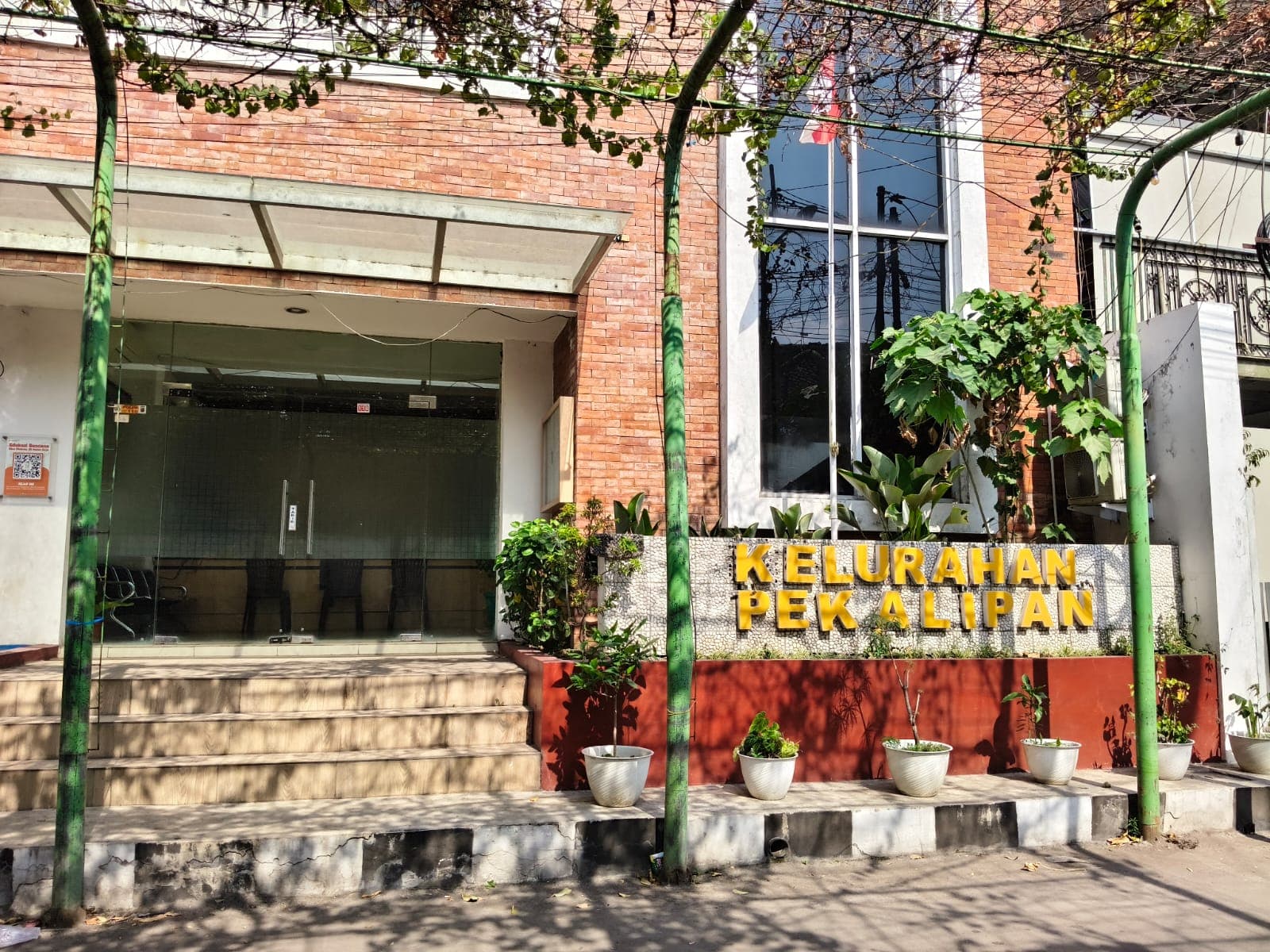
Pekalipan is one of the urban villages located in Pekalipan District, Cirebon City, West Java, Indonesia. Although situated in an urban area, Pekalipan has a rich historical and cultural background that can still be found today. The area has historical connections with the Cirebon Sultanate, as well as various traditions and community activities that form part of its local cultural identity.
The name Pekalipan has a historical background related to the word “Kalipa” or “Khalifah,” which means leader or successor in Arabic. During the period of the Cirebon Sultanate, the term was associated with an area where Royal officials lived or carried out their duties, assisting the Sultan in administrative and religious affairs.
Based on the field observation, this article discusses the history, cultural heritage, community activities, and local potential of Pekalipan as part of Cirebon's cultural richness.
Historical Heritage in Pekalipan
One of the historical sites in the Pekalipan area is the Tomb of Syekh Maulana Maghribi, located in Astanagarib. Syekh Maulana Maghribi is known as one of the Islamic preachers who came to Cirebon before the time of Sunan Gunung Jati. The existence of this tomb makes it a place of historical and religious significance for the local community.
Until today, the tomb is still visited by people for pilgrimage and religious activities. According to the informant, the tomb is maintained by its caretaker with the support of the surrounding community. This shows that the historical site continues to receive attention and care from local residents.

Festival Kepatihan II as a Local Cultural Tradition
In addition to its historical heritage, Pekalipan is also the location of the annual Festival Kepatihan. The festival is held every year as part of the celebration of Cirebon City's anniversary. In 2026, Festival Kepatihan II took place on June 19-20 to commemorate the city's 599th anniversary.
The festival serves as a way to introduce and preserve Cirebon's cultural heritage while involving the community in various cultural, religious, and economic activities. The event was attended by Cirebon Deputy Mayor, Siti Farida, local government representatives, residents from RW 1 to RW 12, local business owners, artists and representatives of the royal palace.
The festival featured a series of activities. One of them was a pilgrimage and communal prayer at the Tomb of Syekh Maulana Maghribi in Astanagarib. This activity was held to show respect for a figure associated with the history of Islam's spread in Cirebon.
Another highlight was the cultural procession featuring the Paksi Naga Liman Carriage, which became one of the main attractions of the event. The carriage displayed in the procession was a replica 1930 and is preserved as a historical heritage item at the Keraton Kanoman Museum. During the procession, the carriage was also ridden by Prince Patih Muhammad Raja Qodiran.

The procession passes through several streets in the Pekalipan area, including Kepatihan Street, Pulasaren Street, Talang Street, Merdeka Street, Pasuketan Street, Pekiringan Street, Astanagara Street, and Petratean Street.
Other activities included Tabligh Akbar, a religious gathering that allowed people to come together and listen to religious lectures. The festival also featured an UMKM exhibition, giving local vendors an opportunity to promote and sell their products, such as traditional chips, corn dog, iced tea and other snacks.
In the field of traditional arts, cultural performances introduced local artistic traditions to the public. These performances included traditional arts such as gembyung, traditional dances, and other cultural performances. In addition, group exercise activities and public entertainment made the festival more lively and encouraged community participation.
Cultural Symbols and Their Meanings
Cirebon's cultural richness can also be seen through various symbols found in the Pekalipan area. These symbols are connected to the history of the Cirebon Sultanate and Keraton Kanoman.
One of them is the Paksi Naga Liman Carriage, a historical royal carriage associated with Keraton Kanoman. Its name comes from three animal forms: Paksi, meaning bird; Naga, meaning dragon; and Liman, meaning elephant. The combination of these three elements represents different cultural influences and forms part of Keraton Kanoman's cultural identity.
Another symbol is Macan Ali, which is associated with the history and identity of the Cirebon Sultanate. The word “Macam” refers to a tiger, which symbolizes authority, while “Ali” is associated with Sayyidina Ali bin Abi Thalib. This symbol is known as an image of a tiger and is connected to the spiritual values and history of the Cirebon Sultanate

In addition, there is Iwak Telu Sirah Sanunggal, a symbol featuring three fish with their heads joined together. Based on the information collected, this symbol is associated with the Syattariyah Sufi order and carries a philosophy about the unity of human beings, Prophet Muhammad, and Allah. It is also interpreted as representing the unity of the body, soul, and Allah, as well as the concept of tawhid (the oneness of God).

Language and the Economic Life of the Community
The life of the Pekalipan community can also be seen through its language use and local economic activities. Based on an interview, Bahasa Cerbon is used in daily communication, cultural activities, and the royal palace environment. Meanwhile, Bahasa Indonesia is used in formal situations, such as official announcements.
In terms of the local economy, trading and small and medium-sized enterprises (UMKM), particularly in the food and beverage sector, are among the activities that benefit the community. The UMKM exhibition during Festival Kepatihan II also provides local vendors with opportunities to introduce and sell their products to visitors. Based on the observation, daily-wage laborers are recorded as the main occupational group in the area. However, no specific types of work were identified.
Apart from trading, other local potential can also be developed. One example is Sanggar Tari Kelapa Jajar, which can serve as a platform for introducing traditional Cirebon arts to a wider audience. Meanwhile, the used-bottle recycling activity in RW 10 shows the community’s efforts to turn waste into something more productive.
Cultural Significance
The cultural heritage found in Pekalipan reflects the historical and cultural identity of Cirebon. Historical sites, traditional symbols, and religious activities show how local heritage remains connected to community life. Festival Kepatihan II also provides an opportunity for residents to participate in cultural preservation while supporting local economic activities. These findings show that cultural heritage is not only about preserving historical objects but also about maintaining traditions and community involvement.
Conclusion
The cultural heritage found in Pekalipan reflects the historical and cultural identity of Cirebon. Historical sites, traditional symbols, and religious activities show how local heritage remains connected to community life. Festival Kepatihan II also provides an opportunity for residents to participate in cultural preservation while supporting local economic activities. These findings show that cultural heritage is not only about preserving historical objects but also about maintaining traditions and community involvement.
Sources
Festival Kepatihan 2 Pekalipan 2026: Sinergi Budaya, Religi, dan Penguatan Ekonomi Lokal di Cirebon
Kisah Penyebar Agama Islam Syekh Maulana Maghribi di Cirebon

