

Introduction
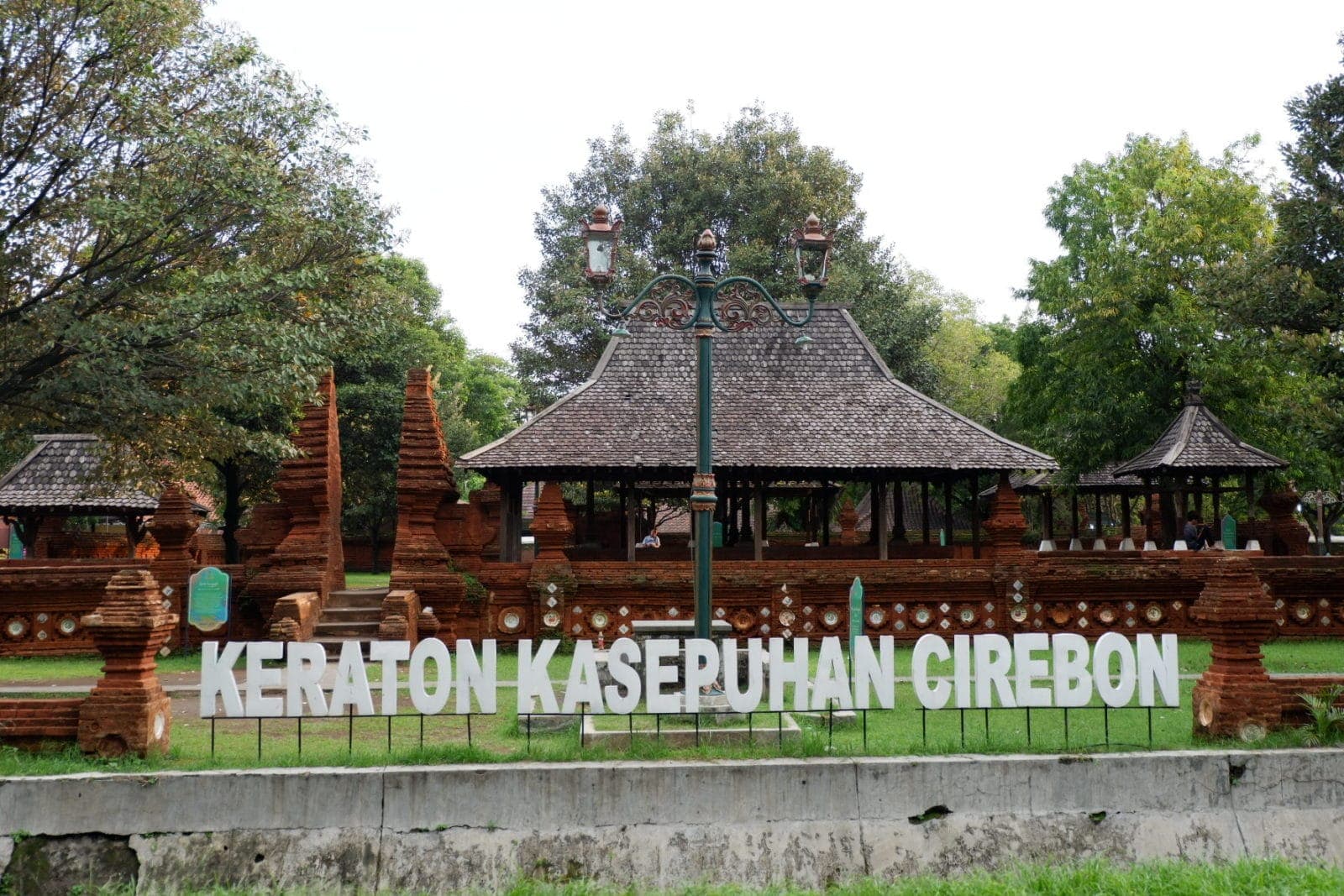
Kasepuhan is an area in Lemahwungkuk District, Cirebon City, West Java, known for its historical and cultural heritage. One of the most important cultural landmarks in this area is the Kasepuhan Palace, a royal palace that houses various historical artifacts and preserves traditional practices. This area plays a vital role in Cirebon’s cultural identity by maintaining the connection between history, religion, local traditions, and community life.
To explore its cultural and economic potential, field observations were conducted on October 25 and 29, 2026. The activities included direct observation, documentation, and interviews with two informants: Mr. Rudi, a court official at the Kasepuhan Palace, and a local kerak telor vendor who sells his wares in front of the palace. The results of the observations indicate that Kasepuhan possesses cultural and historical appeal, as well as economic activities that support the surrounding community.
Jamasan Pusaka: A Tradition of Preserving Ancestral Heritage

Figure 1. An Interview with Mr. Rudi, a Court Official (Abdi Dalem) of Kasepuhan Palace.
One of the important traditions still upheld at the Kasepuhan Palace is Jamasan Pusaka. Based on an interview with Mr. Rudi, Jamasan Pusaka is an annual tradition held from the 1st to the 10th of Suro, which corresponds to the month of Muharram in the Islamic calendar. This tradition involves cleaning and maintaining royal heirlooms passed down from previous generations.
The artifacts cleaned during this tradition include keris, spears, badik, and kujang. According to Mr. Rudi, the purpose of this process is to remove rust and dust from these historical artifacts. He also explained that this tradition is still carried out every year and involves palace elders, Abdi Dalem, and members of the royal family.

Figure 2. The Traditional Area and Equipment Associated with the Jamasan Pusaka Tradition at Kasepuhan Palace.
The cleaning process involves several traditional steps. First, the heirlooms are soaked in coconut water for about one to two hours. Afterward, they are cleaned with lime to remove rust and dust, then rinsed with water from the Kemandungan Well. Next, the objects are soaked in water containing seven types of flowers for one to two hours. After this process, the objects are wiped with a clean cloth, dried, and anointed with scented oil. The final stage is called jamas, which Mr. Rudi describes as a process resembling burning or exposing the objects to smoke. Once completed, the heirlooms are returned to their storage cabinet.
In addition to cleaning the heirlooms, the palace also conducts a cleansing ritual for the Singa Barong Royal Carriage on the 5th of Suro. This activity uses water from seven wells and flowers of seven colors. According to the source, the process takes place from morning until noon.
The Historical Heritage of the Kasepuhan Palace

Figure 3. Historical Heirlooms, Including Keris, Spears, Badik, and Kujang, Preserved at Kasepuhan Palace.
The Kasepuhan Palace houses several historical artifacts that represent the heritage of the Kasepuhan Sultanate. Among them are keris, spears, badik, and kujang. Mr. Rudi explained that these artifacts are heirlooms from ancestors and the kingdom, with some believed to be over 200 years old.

Figure 4. The Singa Barong Royal Carriage, a Historical Artifact of the Kasepuhan Sultanate.
Another important historical artifact is the Kereta Kencana Singa Barong. According to Mr. Rudi, this royal carriage was built in 1549 by Prince Losari and served as the Sultan’s exclusive mode of transportation. Its existence underscores the palace’s historical significance and the importance of preserving artifacts associated with the royal family.
These artifacts are not merely old relics. They represent history, traditions, and cultural knowledge passed down from generation to generation. Preserving them helps maintain a connection between today’s society and its historical roots.
Muludan and Local Cultural Activities
Another cultural celebration associated with Kasepuhan is Muludan, which commemorates the birth of the Prophet Muhammad (peace be upon him). Muludan is an annual tradition at the Kasepuhan Palace. The main event is known as Panjang Jimat, a traditional procession held on the 12th of Rabiul Awal. During this procession, royal heirlooms, ceremonial items, and food are carried from the palace to the Langgar Agung. This tradition reflects a blend of Islamic values and Cirebon’s cultural heritage.
Although this celebration was not observed firsthand during the field visit, the tradition was mentioned by a local kerak telor vendor during an interview.
According to the vendor, kerak telor is not a traditional dish native to Cirebon. However, this food is also sold during the Muludan celebration at Kasepuhan. This information illustrates how cultural celebrations can create opportunities for food vendors while introducing various traditional foods to visitors.
Therefore, Muludan serves as an example of how religious celebrations and local economic activities can coexist. This tradition also demonstrates that cultural activities can influence the daily lives of people living and working around the royal palace.
Local Economic Activities and Language Use

Figure 5. An Interview with a Local Kerak Telor Vendor near Kasepuhan Palace.
Economic activities around the Kasepuhan Palace include the sale of food and beverages to visitors and the local community. During the observation, a local kerak telor vendor explained that visitors from outside Cirebon—particularly from Bandung and Jakarta—sometimes purchase his products. He also mentioned that Saturdays and Sundays offer good business opportunities because more visitors come to the area.
These activities provide a source of additional income for local vendors. They also support tourism by offering food options to visitors. Therefore, the palace’s historical appeal not only benefits cultural preservation but also supports the economic activities of the surrounding community.
Language is another important characteristic of this area. According to Mr. Rudi, palace officials use various forms of Javanese, including Bebasan or Krama Inggil, in specific communication situations. Meanwhile, the community around the palace generally uses a mix of Indonesian and the Cirebon dialect in everyday communication. The use of these languages reflects the cultural diversity and local identity of the Kasepuhan community.
Cultural Significance and Tourism Potential
Observations indicate that Kasepuhan possesses cultural, historical, and economic potential. The Jamasan Pusaka ceremony represents the ongoing practice of maintaining ancestral heirlooms, while historical artifacts such as the Singa Barong Royal Carriage provide insight into the palace’s past. The Muludan ceremony also highlights the connection between religious celebrations and the activities of the local community.
From a tourism perspective, the Kasepuhan Palace is relatively easy to reach by motorcycle or car. Its cultural traditions and historical collections can attract visitors interested in learning about Cirebon’s cultural heritage. At the same time, tourism activities create opportunities for local vendors to earn additional income.
However, tourism development must be balanced with cultural preservation. Historical artifacts require proper care and protection to prevent damage or loss. The royal family, the Abdi Dalem, the local community, merchants, and the local government can work together to safeguard cultural heritage while supporting responsible tourism activities.
Conclusion
Kasepuhan is an area with a rich cultural and historical heritage, represented by the Kasepuhan Palace, the Jamasan Pusaka tradition, and historical artifacts such as the Singa Barong Royal Carriage. Its connection to Muludan, the local food trade, and the use of the regional language also reflects the relationship between cultural identity and community life.
Preserving these traditions and historical artifacts is essential for maintaining Cirebon’s cultural identity. At the same time, supporting local economic activities can help create tourism opportunities that benefit the surrounding community.
References
Field Observations. (2026, October 25 and 29). Observations at the Kasepuhan Palace, Kasepuhan Village, Lemahwungkuk, Cirebon City.
Interview with Mr. Rudi. (2026, October). The author’s interview with a court official (Abdi Dalem) of the Kasepuhan Palace.
Interview by the author with a local kerak telor vendor. (October 2026). The interview was conducted in front of the Kasepuhan Palace, Kasepuhan Village.
The author’s personal documentation of the Kasepuhan Palace site, the location where the jamasan pusaka ceremony is held, the heirlooms, and the lion-barong royal carriage.

