

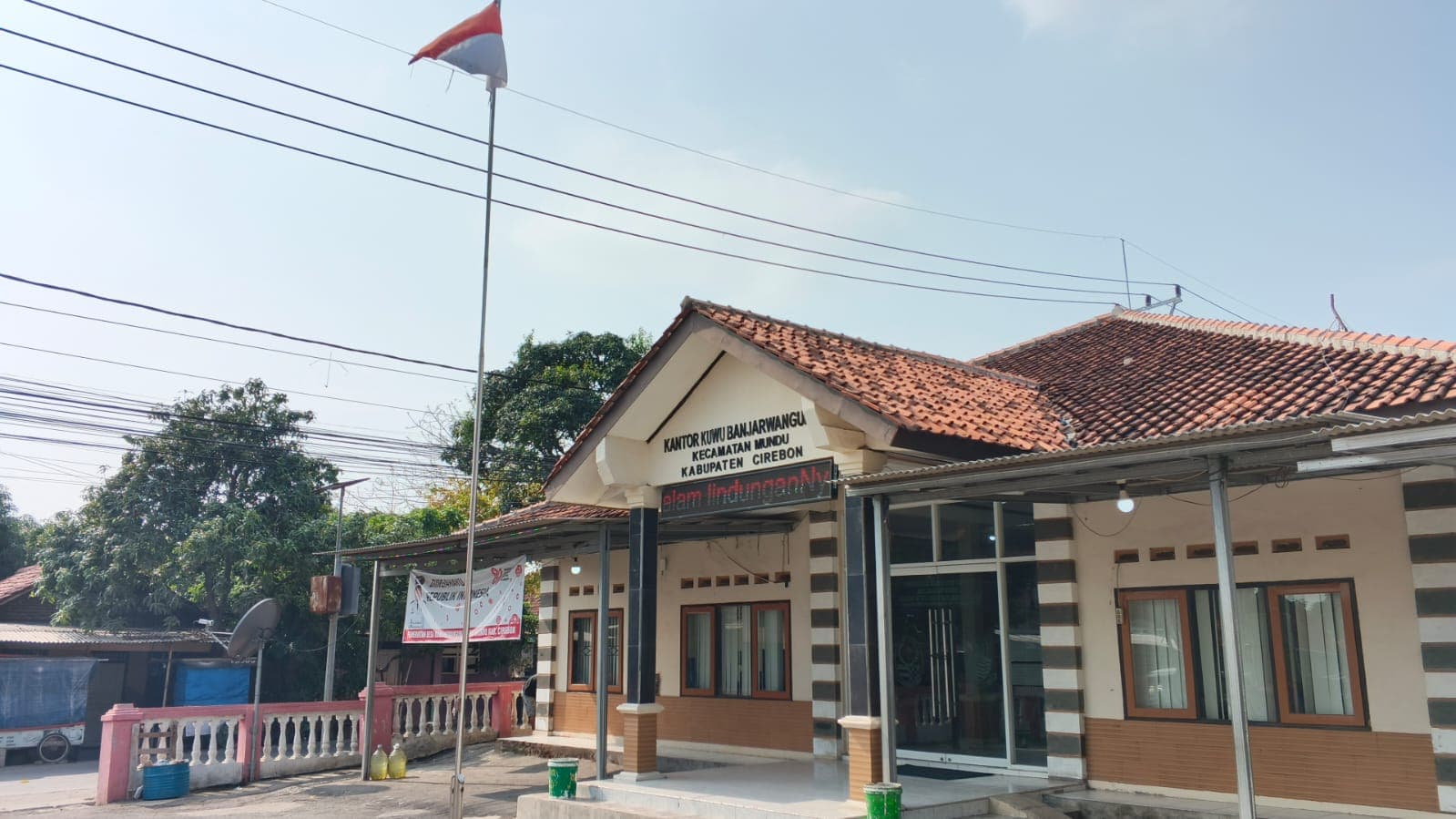
Banjarwangunan Village is situated in Mundu District, Cirebon Regency. The village is surrounded by rice fields and has easy access to the city. Most residents work as farmers, although some are also involved in small businesses and community programs. During the observation, information was collected through direct observation, interviews, and documentation in the village. One important source of information was Sulaeman, who shared information about the village's traditions, history, and local culture. The observation showed that Banjarwangunan Village still maintains several cultural traditions that have been passed down from generation to generation.
Background and Village Profile
Banjarwangunan is a village with strong community values. According to the observation, residents continue to practice mutual cooperation, respect for elders, and togetherness in their daily lives. These values help maintain harmony among the people and support various community activities. The village is located in a lowland area and is surrounded by agricultural land, making farming an important part of local life.

One thing that makes Banjarwangunan different from some other villages is its effort to preserve traditions inherited from ancestors. According to the interview, local people continue to respect traditions and cultural practices that have existed for many years. The annual Sedekah Bumi ceremony is one example of how the community preserves its cultural heritage.
Everyday Language
Language is an important part of the identity of Banjarwangunan Village. Based on the observation, most residents use Javanese as their main language in daily communication. However, there is also language variation in certain areas. In Blok Seda, which is located near Pamengkang, some residents use Sundanese more frequently because of their interaction with neighboring communities. As a result, both Javanese and Sundanese can be heard in the village, although Javanese remains the dominant language used by most residents. This shows the cultural diversity that exists in the Cirebon region.
Local Traditions and Cultural Values
Sedekah Bumi
One of the most important cultural traditions in Banjarwangunan Village is Sedekah Bumi. This ceremony is held once every year as a form of gratitude and respect toward ancestors. According to local information, the tradition has been preserved for generations and remains an important part of community life today. During this event, villagers come together to honor their heritage and strengthen relationships with one another.
The tradition also reflects the values of togetherness and respect for local culture. Although modern influences continue to grow, the residents of Banjarwangunan still make efforts to maintain this tradition because they believe it is an important part of their identity.
Cultural Values and Beliefs
The people of Banjarwangunan highly value gotong royong, respect for elders, and community solidarity. These values can be seen in daily life and village activities. The observation also found that some traditional beliefs are still known by local residents. One example is the belief that Wayang Golek should not be used in certain performances. This belief is passed down from generation to generation and is respected as part of local tradition. Although not all young people follow these beliefs today, they still form part of the village's cultural identity.
Pangeran Kajoran's Tomb
One of the most important historical sites in Banjarwangunan Village is Pangeran Kajoran's Tomb. According to local information, the tomb is associated with a respected figure in the village's history. For many residents, the tomb is not only a burial site but also a symbol of respect for ancestors and local heritage.

The site remains well maintained by local residents, village authorities, and the caretaker of the tomb. Their efforts help preserve an important part of the village's history and ensure that future generations can continue to learn about their local heritage.
Economic Potential and Community Programs
Besides cultural heritage, Banjarwangunan Village also has several community programs that support economic development. These include UP2K PKK, cooperative activities, PKK stores, Kampung Mandiri, and Rumah Dilan. These programs help improve residents' skills and support family income through productive activities. Agriculture also remains an important source of income for many families in the village.
The observation also showed that the village has opportunities to develop small businesses, entrepreneurship, community education, and literacy activities. These programs demonstrate how community cooperation can contribute to local development.
Cultural Significance
According to Koentjaraningrat's concept of culture, culture can be seen in ideas, activities, and artifacts. All three forms can be found in Banjarwangunan Village. The ideas include mutual cooperation, respect for ancestors, and community solidarity. The activities include Sedekah Bumi and various community programs. The artifacts include Pangeran Kajoran's Tomb, which continues to be preserved as an important historical site. These cultural elements help create a strong identity for the village and contribute to the cultural richness of Cirebon.
Development Opportunities and Challenges
Based on the observation results, Banjarwangunan Village has good potential for cultural and educational tourism. The Sedekah Bumi tradition and Pangeran Kajoran's Tomb could become important attractions for visitors who want to learn about local history and culture. The village also has strong community participation and several economic programs that support local development.
However, cultural preservation should remain a priority. If cultural sites and traditions are not properly maintained, they may lose their original value. Therefore, future development should involve local residents, community leaders, and village authorities to ensure that cultural heritage remains protected while still benefiting the community.
Conclusion
Banjarwangunan Village has valuable cultural and historical heritage that is still preserved today. The Sedekah Bumi tradition, local cultural values, and Pangeran Kajoran's Tomb show the strong connection between the community and its ancestors. The village also has economic and community programs that support local development. Although modernization brings new challenges, the people of Banjarwangunan continue to maintain their traditions and cultural identity. For this reason, preserving local culture is important so that future generations can continue to appreciate and learn from the heritage of Banjarwangunan Village.

