

Introduction

Located in the coastal area of Lemahwungkuk, Cirebon, Kampung Pesisir Utara in Panjunan is a community whose livelihoods and cultural identity are closely connected to the sea. Fishing and the trading of marine products form part of local economic life, while traditions such as Nadran and the wayang performance of Budug Basu reflect cultural beliefs and community heritage.
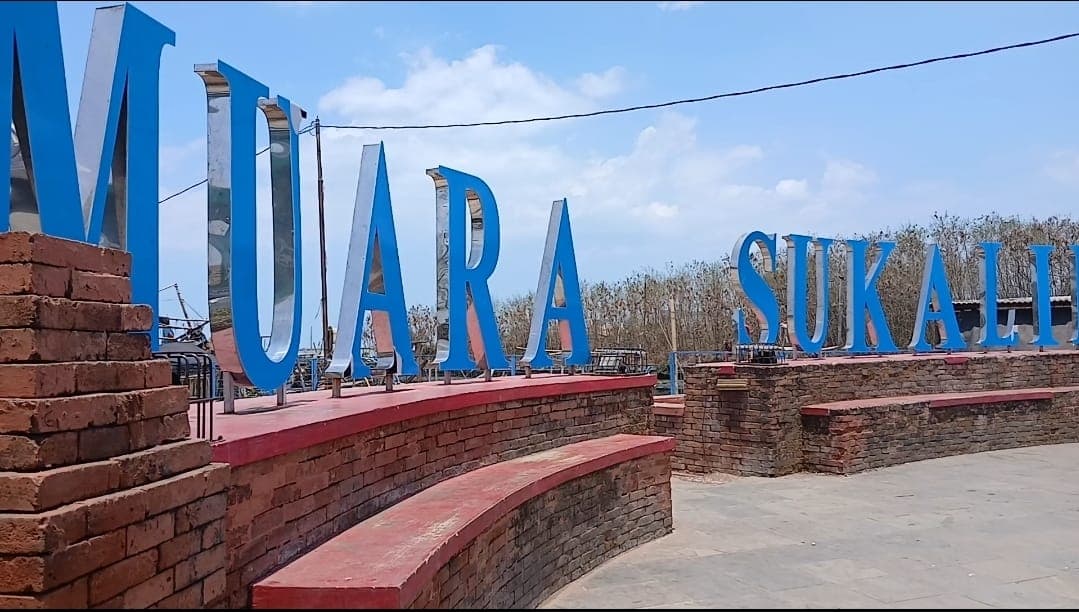
Field observation along Jalan Nelayan on October 24, 2026, explored the community's cultural traditions, local economic activities, language, and tourism potential. Interviews with Muhamad Abdul Cholik, who shared information about culture and language, and Carmini, who discussed fish trading, provided additional perspectives on the area. The observation offers a glimpse of how coastal livelihood, cultural heritage, and everyday community life intersect in Panjunan.
Nadran: A Coastal Tradition of Gratitude
Nadran, also known as Sedekah Laut, is a coastal tradition associated with gratitude for marine resources and prayers for fishermen's safety. It carries cultural and social meanings connected to the sea as a source of livelihood. The tradition is also associated with values such as togetherness, cooperation, and respect for the coastal environment.

The Nadran celebration may include communal preparations, prayers, boat decorations, processions, offerings, and cultural performances, depending on local practices. During the observation on October 24, 2026, the Nadran event that was expected to take place that day had been postponed until November. Therefore, the event's activities were discussed as cultural context rather than presented as performances witnessed firsthand during the field visit.

Budug Basu: Myth, Wayang, and Coastal Beliefs
Wayang Budug Basu is a traditional performance associated with the Nadran celebration in Panjunan. According to information shared by a local informant, the performance is connected with customary beliefs and is traditionally held on the night before Nadran. The informant also described a belief that the performance should be watched until it ends, as well as a belief concerning offerings or items that return to shore. These accounts represent local knowledge reported during the interview and require further confirmation; they should not be treated as beliefs held by every resident.
The myth of Budug Basu tells of Raden Antasari, who is known in the story as Budug Basu because his body is affected by a skin disease. He falls in love with Dewi Tresnawati. In the myth's tragic ending, he dies, and parts of his body are said to transform into fish in the sea and pests on land. The story is associated with the coastal wayang performance and provides a narrative through which traditional storytelling and beliefs are connected to the maritime environment.
ithin the Nadran context, Budug Basu is associated with hopes for abundant catches, safety at sea, and protection from misfortune. The performance is therefore understood not simply as entertainment but as a cultural expression linked to the community's relationship with the sea. The myth and ritual meanings described here should be attributed to the tradition and informant account, rather than assumed to represent all community members' interpretations.
Fish Trading and Local Economic Activity
Fishing and fish trading are among the clearest economic activities connected to Panjunan's coastal livelihood. During the observation, Carmini described her fish-selling activity, which involves obtaining fish products from suppliers, including fishermen returning from the sea, and selling them to customers. She sells by moving around to reach buyers and also serves people who come directly to purchase fish products.

Salted fish is one of the products discussed in the interview. Carmini reported earning approximately Rp100,000 per day from salted-fish sales. This amount can vary depending on how long she spends selling and the number of customers she receives. For customers who purchase salted fish directly by kilogram, the reported price is around Rp35,000 per kilogram. These figures are interview-based estimates and reflect the circumstances described by the informant, rather than fixed prices or guaranteed daily earnings.

The activity illustrates how fish trading extends the economic role of marine resources beyond fishing itself. The supply of fish from returning fishermen and its subsequent sale to consumers form a small-scale trading chain that supports local livelihoods. Products such as salted fish and other fishery products, including ikan bilis noted in the observation instrument, are part of the area's fish-related economic potential.

Potential improvements identified in the observation include better packaging, product labels, digital marketing, and developing more varieties of processed fish products. These are recommendations for future development, not activities confirmed to be already implemented by the informant. They could help traders present their products and potentially reach more customers.
Language and Local Identity
According to the interview with Muhamad Abdul Cholik, Cirebon language is used in everyday communication in Panjunan. Some speakers refer to the informal everyday variety as Cirebon kasar. In this context, kasar refers to an informal variety and does not necessarily imply rude or impolite speech. Speakers may use a morerefined variety, known as bebasan, when speaking to older people or in certain social situations.
This account suggests that language choice can vary according to the interlocutor and social context. The Cirebon language is therefore part of local identity and everyday community interaction. This description is based primarily on the informant's account; the observation checklist itself contains a broader language-category selection that should not be used to override the interview's specific description.
Tourism Potential and Environmental Challenges
Nadran and Budug Basu, fish trading, fishing-related activities, and coastal community life offer possible avenues for cultural and educational tourism. The observation instrument gave Panjunan an exploratory tourism-potential score of 18 out of 24, interpreted as moderate potential. This score is a learning assessment based on the observation criteria, not a formal tourism audit.
Accessibility and economic opportunity were assessed positively in the instrument, while the cleanliness and waste-management situation was identified as a challenge. Cultural details and current preservation conditions also need further verification. Although wider Panjunan has been associated with initiatives such as rumpon support for fishers and green-mussel cultivation, these examples are regional context and were not confirmed as activities at the precise observation point on Jalan Nelayan.
Responsible development could include introducing local traditions with community permission, supporting fish traders through improved product presentation and marketing, and developing respectful educational experiences related to coastal livelihoods. Such efforts should involve fishers, traders, traditional leaders, performers, youth, and local government. Tourism should not diminish the cultural or ritual meaning of traditions, and environmental management should be part of any development plan.
Conclusion
Panjunan's coastal identity is expressed through the relationship between the sea, fish trading, cultural traditions, and local language. Nadran and Budug Basu are associated with cultural beliefs and community heritage, while fish trading provides a concrete example of local livelihood. The interview with Carmini documents the selling practices, reported daily income, and direct purchase price of salted fish, offering a more detailed picture of the local economy.
The observation also identifies opportunities and limitations: cultural and coastal tourism potential, possibilities for improving fish-product marketing, and the need for better environmental management and further verification of cultural details. Documenting these findings responsibly can help introduce Panjunan's heritage while ensuring that local residents and their cultural values remain central.
References / Source Information
• Field observation: Kampung Pesisir Utara, Jalan Nelayan, Panjunan, Lemahwungkuk, Cirebon, October 24, 2026, 12:02–2:49 PM WIB.
• Interview with Muhamad Abdul Cholik (culture and language); October 24, 2026.
• Interview with Carmini (fish trading and local economy); October 24, 2026.
• Original photographic documentation from the field observation.

