

Nadran in Kampung Samadikun: Gratitude to the Sea in Coastal Cirebon
Introduction
When people think about Cirebon's culture, they usually think of the sultanate palaces, batik, or Trusmi. But Cirebon is also a coastal city, and its seaside communities keep traditions that are just as important. One of them is found in Kelurahan Kesenden, Kejaksan District, Cirebon City, especially in the Kampung Samadikun area. Here, fishing is not only a way to earn a living. It is also the base of a cultural identity, and the clearest example is a tradition called Nadran, or sedekah laut (sea alms).
On 30 October 2026, I visited Kesenden to observe the village's cultural and economic potential. I used direct observation, an interview with a local resident (code NR RM), and documentation. This article presents my findings and explains why Nadran matters for Cirebon's heritage.
Village Profile
Kesenden is located in the coastal part of Cirebon City, so the daily life of its people is closely connected to the sea. Their main livelihoods are fishing, trading, and small businesses. Fishermen catch fish, squid, shrimp, and shellfish, which are sold as a source of income.
In terms of language, the people of Kesenden use Javanese in daily communication. Based on my observation, they speak it with family, neighbors, and other residents. It is not only a tool for communication but also a way of keeping social relationships strong between neighbors.

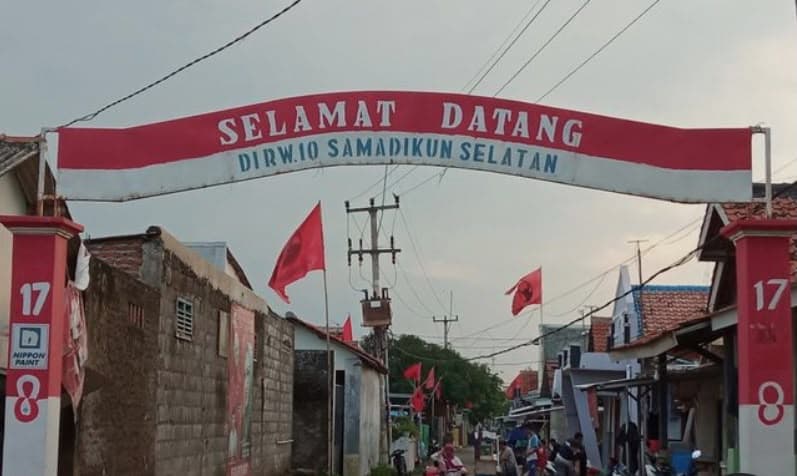
[PHOTO 1: Environment of Kampung Samadikun, Kelurahan Kesenden, Cirebon. Source: author's personal documentation, 30 October 2026.]
Nadran: A Tradition of Gratitude
The most notable tradition I found is Nadran. According to my interview and the documentation I collected, Nadran is a ceremony in which fishing communities express gratitude to God for the sustenance they receive from the sea and for their safety while working.
Nadran has been held in Kampung Samadikun and involves fishermen and other residents. A news report about the 2022 celebration describes a procession carrying ceremonial equipment to the Kampung Baru fish auction place, followed by a pelarungan, in which offerings are released into the sea. Nadran in Kampung Samadikun was also reported in 2023, which shows that the tradition is still recorded in recent years.

[PHOTO 2: Fishing boats used by fishermen in Kampung Samadikun, Kesenden. Source: dokumentasi warga]
The Three Forms of Culture in Nadran
Nadran can be understood through three forms of culture.
Ideas. The main value behind Nadran is gratitude. Fishermen see the sea as a source of sustenance, so thanking God for it is part of their way of life. This value was stated by the resident I interviewed.
Activities. The activity itself is the Nadran ceremony: the procession, the journey to the fish auction place, and the release of offerings into the sea. It is a communal event, not only for fishermen but also for people living around them.
Artifacts. Two objects are connected to the tradition. The first is the fishing boat, which fishermen use every day for work and which has also been used in the Nadran procession. The second is the ceremonial equipment used in the ritual. I documented the boats directly. For the ceremonial equipment, I rely on documentation and residents' confirmation, and I do not yet know its materials or history, so more research is needed.
![[PHOTO 3: Ceremonial equipment or documentation of Nadran in Kampung Samadikun. Source: dokumentasi warga].]](/api/media/file/WhatsApp%20Image%202026-11-20%20at%2009.48.05-1-720x540.jpg)
[PHOTO 3: Ceremonial equipment or documentation of Nadran in Kampung Samadikun. Source: dokumentasi warga]
Economic Potential
The fishing sector already gives benefits to residents. Fishermen sell their catch, and this supports the household economy of the community. Besides that, there is potential that has not been used optimally. Nadran and seafood products can be introduced more widely, which may create opportunities for small businesses and make Kesenden better known.
In my exploratory assessment, Kesenden scored 24 out of 24 on the tourism and preservation analysis, which falls in the "high" category. The scores were highest for economic opportunity and uniqueness. I should stress that this score is exploratory and for learning purposes only. Accessibility and current community support, for example, still need to be checked directly.
Cultural Significance
Nadran is important to Cirebon's cultural identity for three reasons.
First, it shows that Cirebon's heritage is not limited to palace culture. Coastal communities also contribute through their own traditions and values.
Second, Nadran reflects the close relationship between people and the sea. The sea is both a source of income and a part of spiritual life, and this is a strong characteristic of Cirebon's coastal identity.
Third, the tradition strengthens social bonds. Based on my findings, Nadran brings residents together and helps maintain the cultural identity of the coastal community.
At the same time, developing this potential must be done carefully. If tourism focuses only on profit, the meaning of the tradition may change. Poorly managed tourism could also create waste and disturb the coastal environment. For this reason, fishermen, community leaders, the village office, small business owners, and the local government should all be involved, so that the benefits go to the residents themselves.
Conclusion
My observation in Kampung Samadikun shows that Kesenden is a coastal community whose identity is shaped by fishing and by the Nadran tradition. Nadran expresses gratitude to God, strengthens relationships among residents, and connects people with the sea. Its ideas, activities, and artifacts show that culture is not only about performances but also about values and objects used in everyday life.
Preserving traditions like Nadran is important because they are part of Cirebon's heritage and identity. Preservation should be done with respect for the community, so that the tradition keeps its meaning even if more visitors become interested in it.
REFERENCE
1. Interview with NR RM, resident of Kampung Samadikun, Kelurahan Kesenden, Kejaksan District, Cirebon City, 30 October 2026.
2. Putri, K. V. (2026). Field observation instrument: Exploring village cultural and economic potential, Kelurahan Kesenden [Unpublished field report]. English Literature Study Program, IPB Cirebon.
3. Author's field observation and photographic documentation, Kampung Samadikun, Kelurahan Kesenden, 30 October 2026.

