

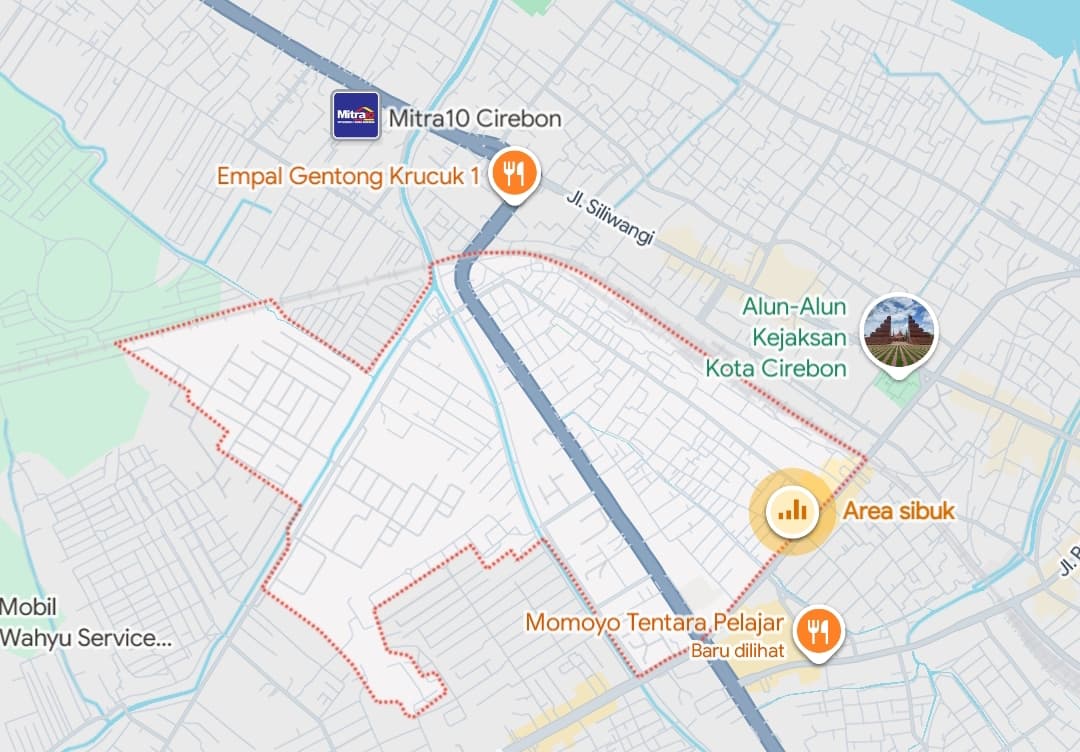
SUKAPURA, October 2026 — The daily life of the Sukapura community reflects a strong connection between local traditions, religious activities, and economic development. Based on a field observation conducted in October 2026, Sukapura has cultural and economic potential that can be seen through its traditional practices, social activities, and small local businesses.
Wirter: Kaila Aurelia Verda
Religious beliefs
During the observation, the community's cultural life appeared to be closely connected to religious values and traditions passed down from previous generations. Most residents follow Islam, which plays an important role in their daily activities. Religious gatherings, known as Pengajian, are regularly held every week. Other religious activities, such as Maulid Nabi and Tahlilan, are also part of the community's social life.
Apart from religious activities, several local traditions are still recognized by the residents. One of them is Puputan, a traditional ceremony held after a baby's umbilical cord falls off. This tradition is connected to an important moment in family life and represents one of the cultural practices that has been passed down through generations.
Another tradition found in the community is Saweran. It involves giving money during celebrations or happy occasions. This practice reflects the spirit of sharing and community participation. In addition, residents also celebrate Indonesia's Independence Day, while night market activities provide another form of entertainment and social interaction for the local community.
Traditional beliefs, commonly known as pamali, can also still be found among some older residents. For example, there are beliefs against sitting in a doorway and cutting nails at night. Although these beliefs may not be followed by everyone today, they remain part of the cultural knowledge passed down through generations. These practices show that local culture is not only expressed through ceremonies and celebrations but also through everyday beliefs and habits.
Economic
Moving to the economic sector, small businesses play an important role in supporting the daily lives of Sukapura residents. The local economy is mainly supported by Micro, Small, and Medium Enterprises (MSMEs), including various home-based businesses. During the observation, several economic activities were identified, such as home-based catering services, Madura-style grocery stores known as Warung Madura, morning vegetable sellers, and other small-scale trading activities.
These businesses provide important services for the surrounding community. Home-based catering businesses offer food services, while grocery stores and vegetable sellers help residents obtain their daily necessities. Their presence also shows how small businesses contribute to the local economy and create opportunities for residents to earn an income.
The economic activities can also be seen in the physical surroundings of the area. Field documentation shows several shops and small businesses located along the roadside. Vehicles and people can also be seen passing through the area, creating an environment where trading activities are part of everyday life. These observations provide a picture of how local businesses support the economic activities of the community.
Language is another important aspect of Sukapura's local identity. Javanese, particularly the Cirebon dialect, is the main language used in daily communication. It is spoken by different generations, including children, young people, and adults. The continued use of this language shows that local identity remains an important part of community life. For the residents, language is not simply a tool for communication. It also helps maintain social relationships and preserve cultural identity. The use of the Cirebon dialect across different age groups demonstrates its importance in connecting generations within the community.
However, the observation did not identify any specific traditional objects, historical buildings, or cultural artifacts that could be recognized as material cultural heritage. Instead, the cultural potential found in Sukapura is more visible through its traditions, beliefs, religious activities, and everyday social practices.
Conclusion
Overall, Sukapura has cultural and economic potential that deserves further attention and development. Its traditional activities and local businesses are important parts of community life. However, maintaining these potentials requires the participation of both the older and younger generations.
Encouraging young people to participate in traditional activities is one important step toward preserving local culture. Traditions such as Puputan and Saweran should also continue to be introduced to younger generations so that they remain recognized as part of the community's cultural identity.
In the economic sector, providing greater support for local MSMEs could help strengthen the community's economy. Improving road accessibility is also important to support residents' daily activities and make local business activities more convenient. Furthermore, involving all residents in cultural preservation and tourism development could create more opportunities for the area in the future.

Sukapura is more than just a place where people carry out their daily activities. It is also a community with cultural traditions, social connections, and economic opportunities. Although some aspects of its cultural heritage are not represented by physical objects or historical buildings, its traditions and everyday practices remain valuable parts of local identity. Preserving these elements while supporting local economic growth will be important for Sukapura's future development.

