

Introduction
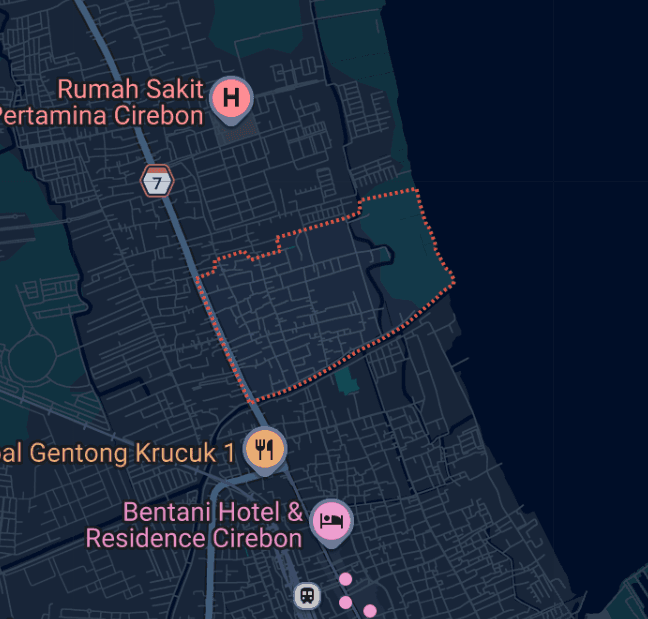
Pasindangan is a village located in Gunung Jati District, Cirebon Regency, West Java. Like many other villages in Cirebon, Pasindangan has its own historical and cultural heritage, which can be seen through its ancestral burial sites, local traditions, language, and community activities.
One interesting aspect of the village is the presence of several historical tombs, including the tombs of Ki Jakatawa, Ki Panjang, and Nyi Gedeng. These sites represent part of the village's local heritage and may contain historical stories that are important to the community. However, the existence of historical sites alone is not enough to preserve local heritage. Information about their backgrounds, historical significance, and cultural connections also needs to be documented and introduced to a wider audience. Therefore, this observation focuses on the importance of documenting and promoting local historical heritage as part of preserving Pasindangan's cultural identity.
Village Profile and Local Characteristics
Pasindangan is not an isolated or remote village. Its geographical location within Cirebon Regency allows the community to maintain close connections with surrounding areas, both socially and culturally. In terms of language, the everyday speech used by the community shares similarities with other Cirebon dialects. This may reflect the linguistic and cultural connections between neighboring communities. The village also has various small-scale economic activities, particularly in the food and beverage sector. However, based on the observation, many of the food products are relatively common and similar to those found in other areas. This does not mean that local businesses lack potential, but rather that their development may depend on better promotion, branding, and product marketing.
Historical Sites and Local Heritage
One of the main points of interest in Pasindangan is its ancestral burial sites. Among the sites identified during the observation are:
- The Tomb of Ki Jakatawa – A historical site associated with the local heritage of Pasindangan.
- The Tomb of Ki Panjang – An ancestral burial site that forms part of the village's historical landscape.
- The Tomb of Nyi Gendeng Tangkil – Another site that reflects the historical and cultural heritage of the local community.
Although these sites have cultural and historical significance, detailed and accessible information about their backgrounds is still an important area for further exploration. Without sufficient historical records, information about ancestral figures and the stories behind these sites may become difficult for younger generations and visitors to access. This situation highlights the importance of collecting local historical narratives, documenting available information, and preserving stories passed down through generations.
Documentation does not necessarily have to be complicated. It can begin with recording the names of historical figures, collecting local stories, photographing important locations, and creating written or digital archives that can be accessed by the public.
Ngunjung Buyut: A Tradition of Remembering Ancestors
Another cultural aspect worth highlighting is the tradition known as Ngunjung Buyut. This tradition involves visiting and honoring ancestral burial sites and reflects the community's respect for its predecessors.
In Cirebon, Ngunjung Buyut is commonly associated with remembering ancestors, maintaining social relationships, and preserving cultural heritage. It can also serve as a way to introduce local history and traditions to younger generations.
The tradition demonstrates that historical sites are not simply physical locations but can also hold social, spiritual, and cultural meanings for the community.
Therefore, documenting traditions such as Ngunjung Buyut is just as important as recording the history of the burial sites themselves.
Local Economic Potential: Small Businesses and UMKM
Apart from its historical heritage, Pasindangan also has economic potential through small and medium-sized businesses (UMKM).
During the observation, several local businesses were found, particularly those selling food and beverages. Most of these products are similar to everyday culinary products commonly found in other areas of Cirebon.
Rather than relying entirely on unique traditional products, local businesses could improve their competitiveness through better product presentation, packaging, branding, and digital marketing.
The presence of historical sites and cultural activities may also create opportunities for local businesses. Visitors who come to explore the village's heritage could become potential customers for local food businesses.
This connection between cultural heritage and economic activities could support community-based development.
Challenges in Preserving and Promoting Local Potential
Based on the observation, one important area that deserves attention is the accessibility of information about Pasindangan's historical and cultural heritage.
Although several historical sites can be identified, detailed information about their backgrounds and significance is not easily accessible through general public sources.
This does not necessarily mean that historical knowledge does not exist within the community. Some information may still be preserved through oral traditions, local families, or the caretakers of the sites. However, without systematic documentation and wider publication, such knowledge may remain limited to certain members of the community.
Several potential challenges can therefore be identified:
- Limited Historical Documentation: Information about ancestral figures and historical burial sites needs to be collected and organized more systematically.
- Limited Public Promotion: The village's historical and cultural potential could be introduced more widely through digital platforms.
- Generational Knowledge Transfer: Local stories and traditions need to be passed down to younger generations.
- UMKM Competitiveness: Local businesses may benefit from stronger branding and more effective marketing strategies.
These points are based on the observation and the availability of publicly accessible information.
Recommendations for Developing Local Potential
To strengthen Pasindangan's cultural identity and local potential, several steps could be considered.
First, historical documentation should become an important part of local heritage preservation. The village could begin by collecting information about the tombs of Ki Jakatawa, Ki Panjang, and Nyi Gedeng through historical records, local elders, families, and site caretakers.
Second, digital platforms could be used to introduce the village's historical sites and traditions. Simple content such as photographs, short historical descriptions, videos, and digital archives could help make local heritage more accessible.
Third, cultural traditions such as Ngunjung Buyut could be documented and introduced through educational activities. This would help younger generations understand the historical and cultural values behind the tradition.
Finally, local businesses could be supported through improved branding, packaging, and online promotion. Connecting local products with cultural and historical tourism could also create additional economic opportunities.
These efforts would require collaboration between village authorities, local communities, younger generations, and business owners.
Conclusion
Pasindangan has local potential that can be explored through its historical sites, cultural traditions, and small-scale economic activities. However, one important aspect that deserves greater attention is the documentation and promotion of its historical heritage.
The tombs of Ki Jakatawa, Ki Panjang, and Nyi Gendeng, along with the tradition of Ngunjung Buyut, represent cultural resources that deserve to be better documented and introduced to the public.
Preserving local heritage should not only mean maintaining historical places physically, but also ensuring that the stories and cultural values behind them remain accessible to future generations.
Ultimately, documenting local history is an important first step toward strengthening cultural identity, increasing public awareness, and developing the potential of Pasindangan Village.
"Preserving local heritage begins with documenting the stories that should never be forgotten."