

Introduction
Villages are communities rich in cultural heritage, history, and economic potential that can be developed to improve the welfare of local residents. Each village has its own characteristics that shape its local identity, including historical sites, cultural traditions, everyday language, and economic activities. One village that possesses these characteristics is Setupatok Village.
Setupatok Village has several interesting aspects to explore, particularly its historical site, known as the Japanese Cave (Goa Jepang), its religious traditions, and its economic activities based on agriculture and trade.
Based on the observation, Setupatok Village demonstrates a combination of historical heritage, social and cultural life, and local economic potential that could be further developed.
The Profile and Condition of Setupatok Village
Setupatok Village is relatively accessible and can be reached using local transportation. This accessibility supports the daily activities of residents and provides an advantage for potential tourism development in the future.
The main economic activities of the local community are agriculture and trading. Several commodities commonly traded include garlic, candlenut, and pepper. These activities play an important role in supporting the local economy, particularly for families who depend on farming and trading as their primary sources of income.
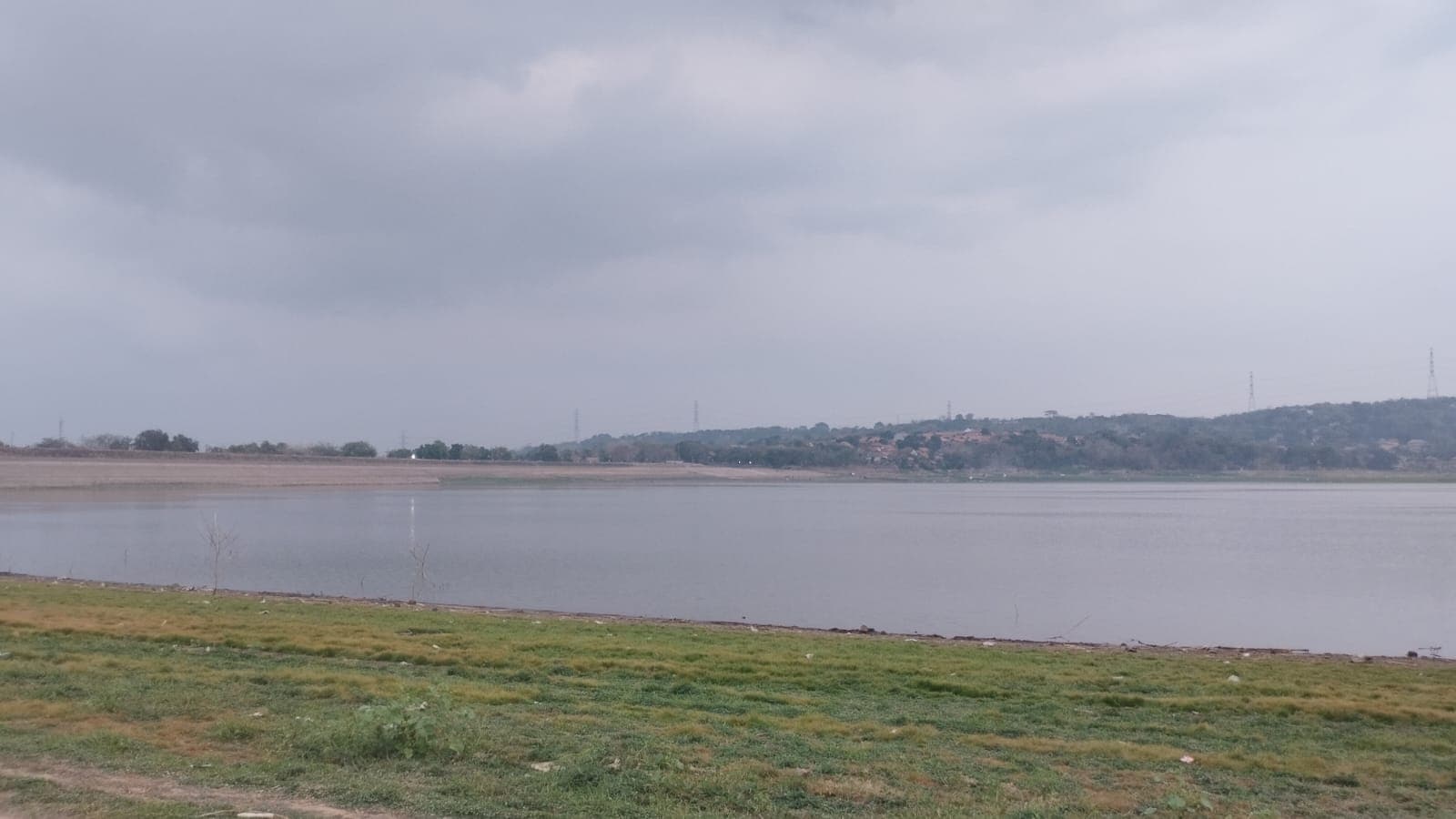
Another notable feature of the village is Setupatok Reservoir (Waduk Setupatok), which represents one of the area's local attractions. Together with the Japanese Cave, the reservoir forms part of the village's documented local potential.
The Japanese Cave as a Historical Heritage Site
One of the main attractions of Setupatok Village is the Japanese Cave (Goa Jepang), a historical site located within the village. Its existence provides a distinctive historical identity that differentiates Setupatok from other villages.
The Japanese Cave has considerable potential for development. However, the site requires better management and attention to maximize its potential. He explained that the historical site could be developed further if it received proper management and maintenance.
Historical sites such as the Japanese Cave are not merely remnants of the past; they can also serve as educational attractions for visitors and the wider community. With appropriate development, the site could introduce local history while increasing public awareness of the historical heritage found in Setupatok Village.
Therefore, preserving and managing the Japanese Cave should become one of the main priorities in developing the village's potential.
Cultural Activities and Community Traditions
Apart from its historical heritage, Setupatok Village also maintains religious traditions that remain part of the community's daily cultural life. One of these traditions is the annual commemoration of the Islamic New Year, which takes place on the first day of Muharram.
This event is held once a year and involves members of the local community. The tradition continues to be practiced as part of the village's religious and social life.
The annual celebration reflects the community's sense of togetherness and participation in maintaining its cultural traditions. It also demonstrates the importance of religious and cultural values in the lives of local residents.
Thus, the commemoration of the Islamic New Year is not only an annual religious event but also an important expression of the cultural identity of Setupatok Village.
Local Economic Activities and Culinary Identity
The economic life of Setupatok Village is closely connected to agriculture and trading. One of the economic activities observed during the field visit was the local spice trade. Vendors sell various commodities, including garlic, candlenut, and pepper.
These commodities are part of everyday trading activities and contribute to the income of local residents, particularly farmers and traders. This demonstrates that traditional economic activities continue to play an important role in supporting the community.
In addition to spice trading, local culinary businesses also contribute to the village's economic identity. Traditional and popular foods such as seblak and bakso are part of the community's everyday food culture. These culinary products also provide business opportunities for local entrepreneurs.
The presence of agricultural activities, spice trading, and culinary businesses indicates that the local economy is supported by various sources of income. Developing these economic sectors could help improve residents' welfare while strengthening the economic identity of the village.
Language and Local Identity
Language is an important element in shaping the social and cultural identity of a community. Based on the observation, Javanese is commonly used by the residents of Setupatok Village in their daily communication.
The use of Javanese reflects the strong influence of Javanese culture in the local community. This is particularly interesting because Cirebon is known for its combination of Javanese and Sundanese cultural influences.
Language does not merely function as a communication tool; it also represents the cultural background and identity of its speakers. Therefore, the use of Javanese in Setupatok Village is an important cultural aspect that contributes to the community's local identity.
Preserving the local language is also essential to maintaining cultural heritage and passing it down to future generations.
Recommendations for Developing the Village's Potential
Based on the field observation and tourism assessment, one of the recommended strategies is to develop the Japanese Cave as a historical and cultural tourism destination.
This development requires support from the local government and active participation from the community, including the Tourism Awareness Group (Pokdarwis). Cooperation between these parties is necessary to ensure that the management of the historical site is organized and sustainable.
Furthermore, preserving the Japanese Cave is essential to maintaining its historical value. Improvements could include developing visitor facilities, maintaining the surrounding area, and providing historical information to visitors.
Other local attractions and characteristics, such as Setupatok Reservoir, the annual Islamic New Year celebration, spice trading, and local culinary businesses, could also be introduced as part of the village's identity.
By combining its historical, cultural, and economic potential, Setupatok Village could strengthen its tourism appeal while creating additional economic opportunities for the local community.
Conclusion
Setupatok Village possesses considerable potential in terms of historical heritage, cultural traditions, and local economic activities. The Japanese Cave represents a unique historical asset that could be developed into a cultural tourism destination. In addition, the annual commemoration of the Islamic New Year on the first of Muharram demonstrates the community's commitment to maintaining its religious values and cultural traditions.
From an economic perspective, agriculture and spice trading remain important sources of income for local residents. Meanwhile, culinary businesses selling foods such as seblak and bakso contribute to everyday economic activities. The use of Javanese in daily communication also represents an important element of the village's cultural identity.
Ultimately, developing Setupatok Village requires a balanced approach that considers both economic growth and the preservation of local history and culture. Through proper management and cooperation among different stakeholders, the village's historical heritage, cultural traditions, and economic activities can become valuable assets for sustainable village development and improved community welfare.