

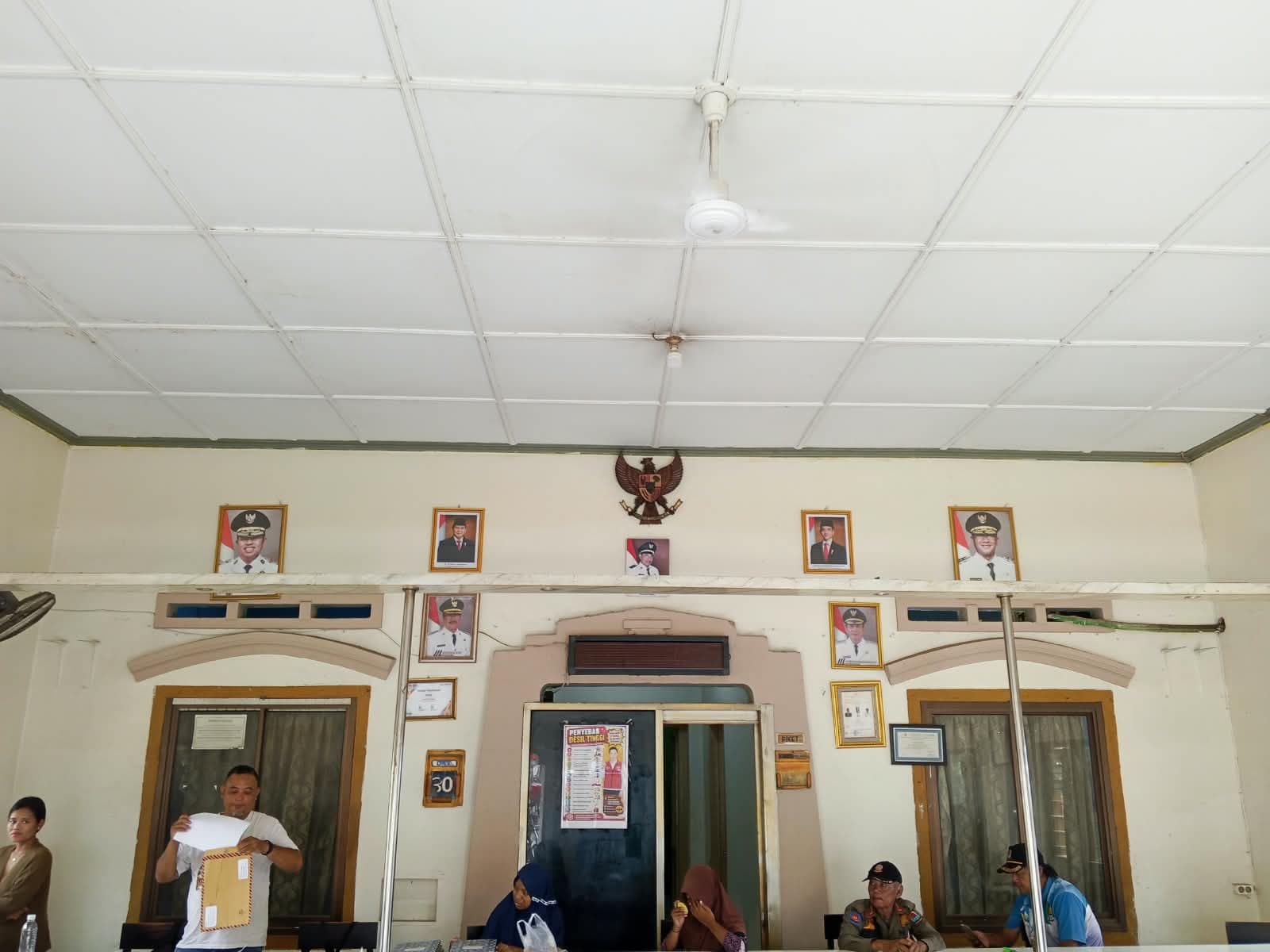
Discovering Jungjang Village: Local Traditions, Language, and Everyday Life in Cirebon
Every village has a story shaped by its people, traditions, language, and daily activities. Jungjang Village, located in Arjawinangun District, Cirebon Regency, West Java, offers a glimpse of local life in the Cirebon area. Its identity can be seen not only in its cultural celebrations but also in the language people use and the economic activities that bring residents together.
A Village with a Strong Local Identity
According to the village profile presentation, Jungjang had a population of 11,647 people based on BPS data from 2022. It was also described as one of the most densely populated areas in Arjawinangun District.
Administratively, the village is divided into two areas: Jungjang Kota and Jungjang Wetan. These areas are part of the local community's development and history.
Traditions that Bring the Community Together
Local traditions remain an important part of community life in Jungjang. Based on interviews with local residents, the village has several cultural traditions, including Sedekah Bumi and Mapagsri.
Sedekah Bumi is associated with expressing gratitude for the blessings of nature and agricultural activities. Meanwhile, Mapagsri is connected with farmers expressing gratitude after the harvest season.
Another important event is the annual celebration of Maulid Nabi. According to local informants, this celebration may include traditional performances such as Wayang Kulit and community processions known as arak-arakan.
These traditions are more than just celebrations. They also help younger generations remember the history, efforts, and contributions of their ancestors.
The Story of Ki Gede Jungjang
Jungjang also has a local historical story connected to Ki Gede Jungjang and the opening of agricultural land during the period associated with Sunan Gunung Jati.
According to an explanation shared by a local informant, the name Jungjang is connected with the expression "sawah seujung" and a story about agricultural land and rice harvests.
This local story reflects the close relationship between the village's identity and its agricultural background. It is also an example of local knowledge that deserves to be preserved for future generations.
Cirebon Javanese: The Language of the Community
Language is one of the strongest elements of cultural identity. In Jungjang Village, residents commonly use Javanese, particularly the Cirebon variety of Javanese, in their daily communication.
One local informant estimated that approximately 99 percent of residents use Cirebon Javanese in everyday conversations.
The use of this language represents the local identity of the community and distinguishes it from other varieties of Javanese. It is also an important part of preserving the cultural heritage of Cirebon.
A Local Economy Shaped by the Market
One of the most active places in Jungjang is its traditional market. Jungjang Market plays an important role in supporting the local economy by providing opportunities for traders and serving the daily needs of residents.
According to the village profile presentation, the market operates 24 hours a day and is relatively large compared with markets in surrounding villages.
During the field observation, many traders were seen selling goods around the market and along nearby roads.
Besides trading, the local economy is also supported by agriculture, livestock, fisheries, village-owned enterprises (BUMDes), and cooperatives.
Education and Transportation
Jungjang also has educational and transportation facilities that support community activities.
The village profile presentation lists several elementary schools, including SDN Jungjang 1, SDN Jungjang 2, SDN Jungjang 3, SDN Jungjang 4, and SDN Jungjang 5.
For transportation, the wider Arjawinangun area is served by Arjawinangun Railway Station. These facilities contribute to regional connectivity and the movement of people and goods.
Exploring Tourism Opportunities in Jungjang
Jungjang has several cultural and economic resources that may be interesting to explore. Its local traditions, Cirebon Javanese language, agricultural activities, and traditional market offer opportunities for cultural and educational experiences.
The village profile presentation also mentions a swimming pool as a tourism-related facility. However, further information about its exact location, management, and current operating status is still needed before it can be presented as an established tourist attraction.
In the future, the village could explore educational activities related to agriculture, local language, and traditional culture. Community participation would be important to ensure that tourism development respects local traditions and benefits residents.
A Living Portrait of Cirebon
Jungjang Village offers a portrait of Cirebon life through its traditions, local stories, language, market activities, and agricultural connections.
Sedekah Bumi, Mapagsri, the Maulid Nabi celebration, and the use of Cirebon Javanese all contribute to the village's cultural identity.
Rather than seeing Jungjang only as a place to visit, it is worth understanding it as a community with cultural values and local knowledge that deserve attention.
By preserving its traditions and introducing its local identity to a wider audience, Jungjang Village can become an interesting part of Cirebon's cultural story.