

Beyond Daily Life: Exploring the Cultural Heritage and Local Potential of Dukupuntang Village
- 8 Maret 2027 · 19.30 WIB
- Dukupuntang Village
Kabar budaya Cirebon
Festival, acara budaya, dan kegiatan warga dari kota dan kabupaten Cirebon.
Catat tanggalnya

Jelajahi tradisi budaya, bahasa Jawa dialek Cirebon, sejarah lokal, dan kegiatan ekonomi yang membentuk identitas Desa Jungjang, yang terletak di Arjawinangun, Cirebon.

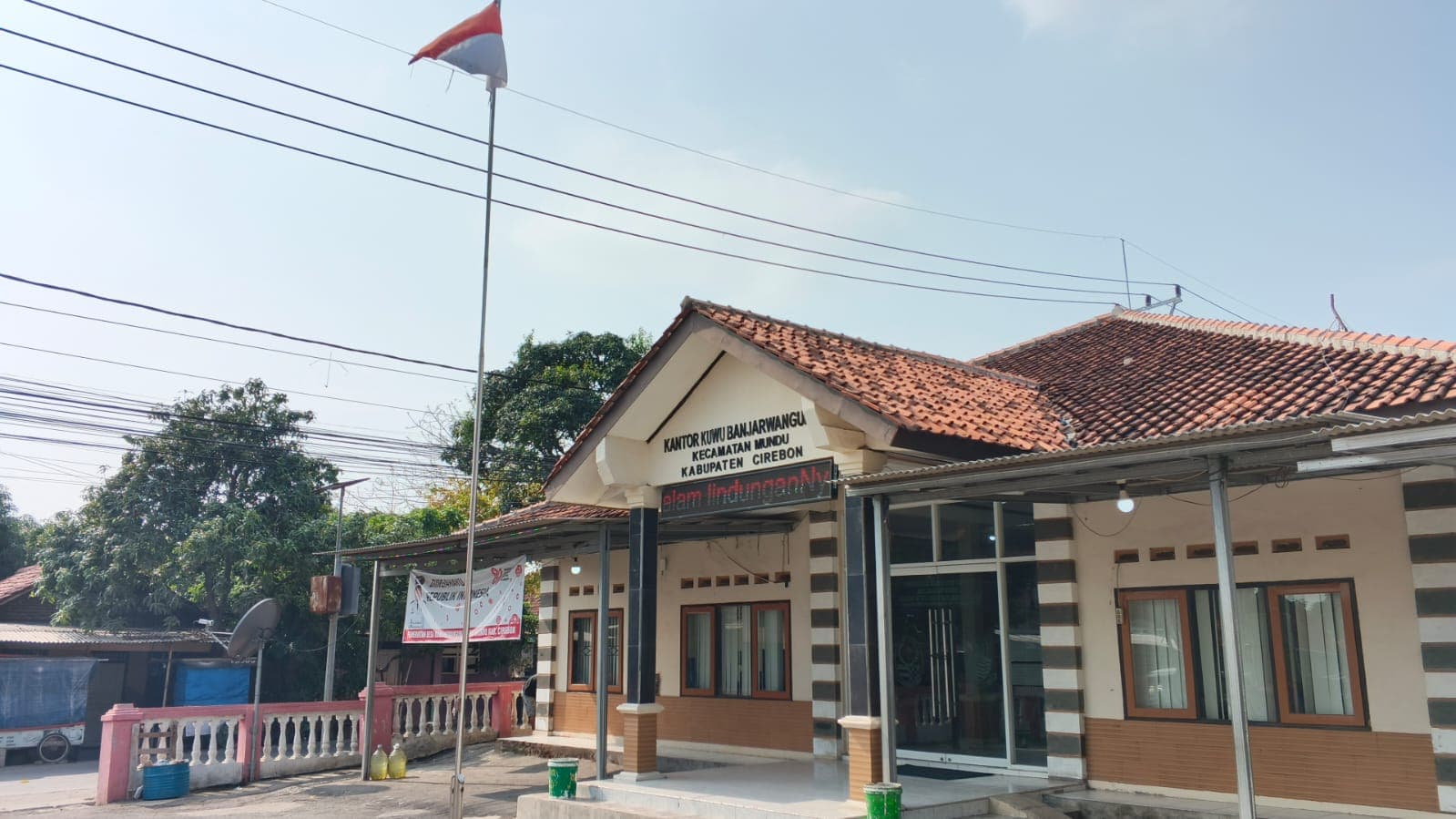
Desa Kedawung, Kabupaten Cirebon, merupakan wilayah yang kaya akan sejarah, budaya, dan tradisi, serta memiliki potensi ekonomi dan pariwisata. Letaknya yang strategis di perbatasan Kota dan Kabupaten Cirebon menjadikannya titik pertemuan dua wilayah dengan keragaman bahasa dan budaya.
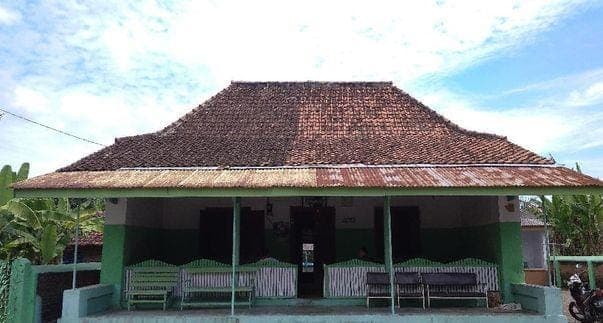
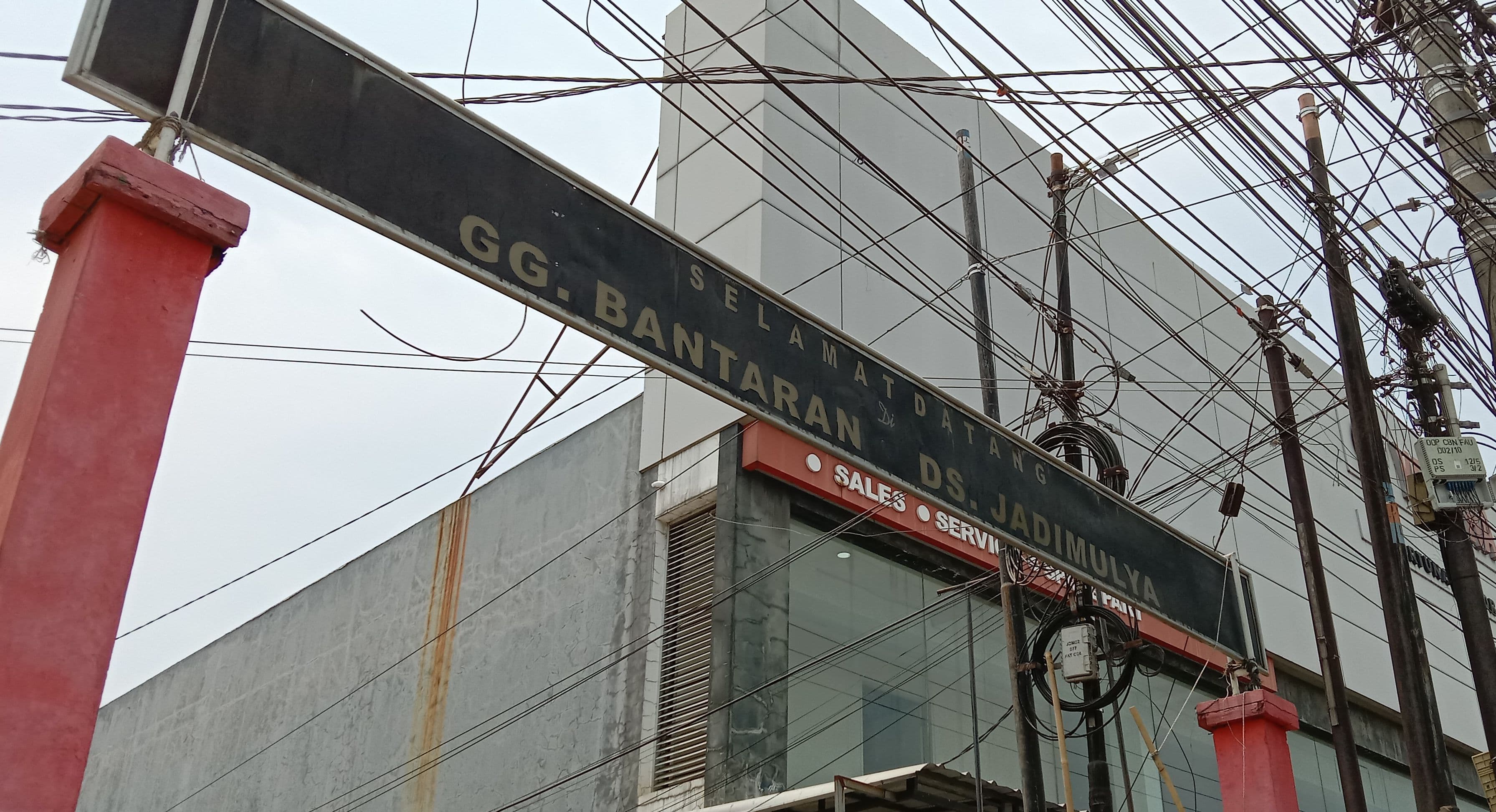
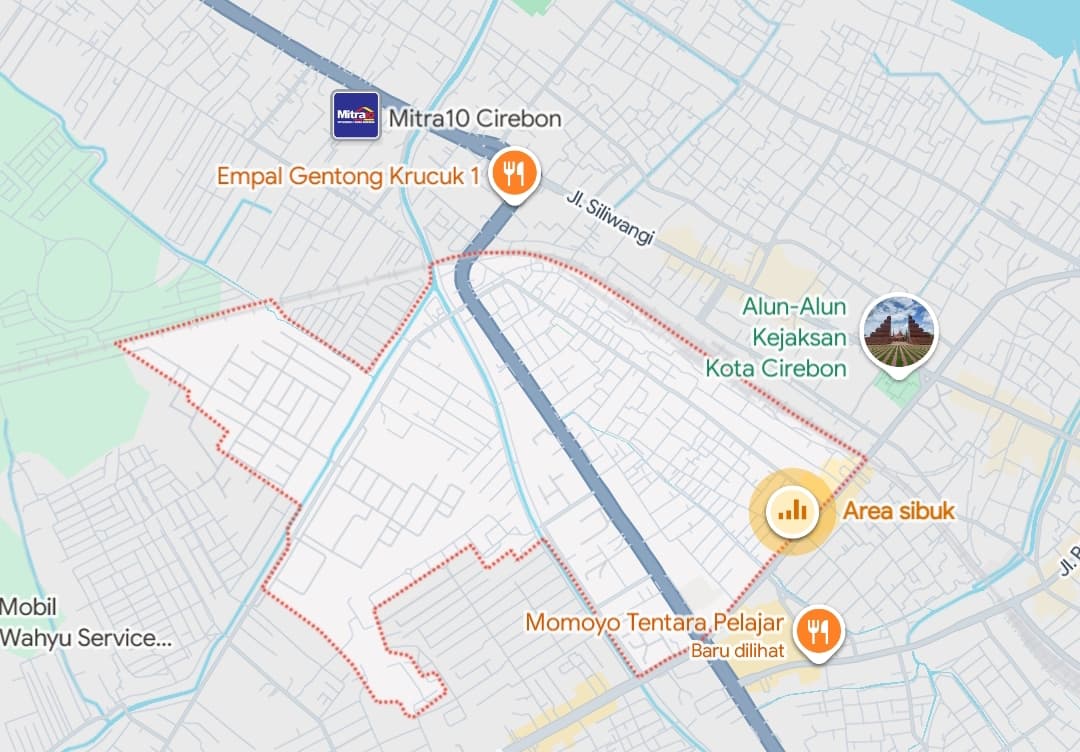
Pekalipan adalah sebuah desa perkotaan di Cirebon yang memiliki latar belakang sejarah dan budaya yang kaya. Mulai dari Makam Syekh Maulana Maghribi dan Festival Kepatihan II hingga simbol-simbol tradisional dan kegiatan masyarakat setempat, Pekalipan mencerminkan kekayaan budaya Cirebon.
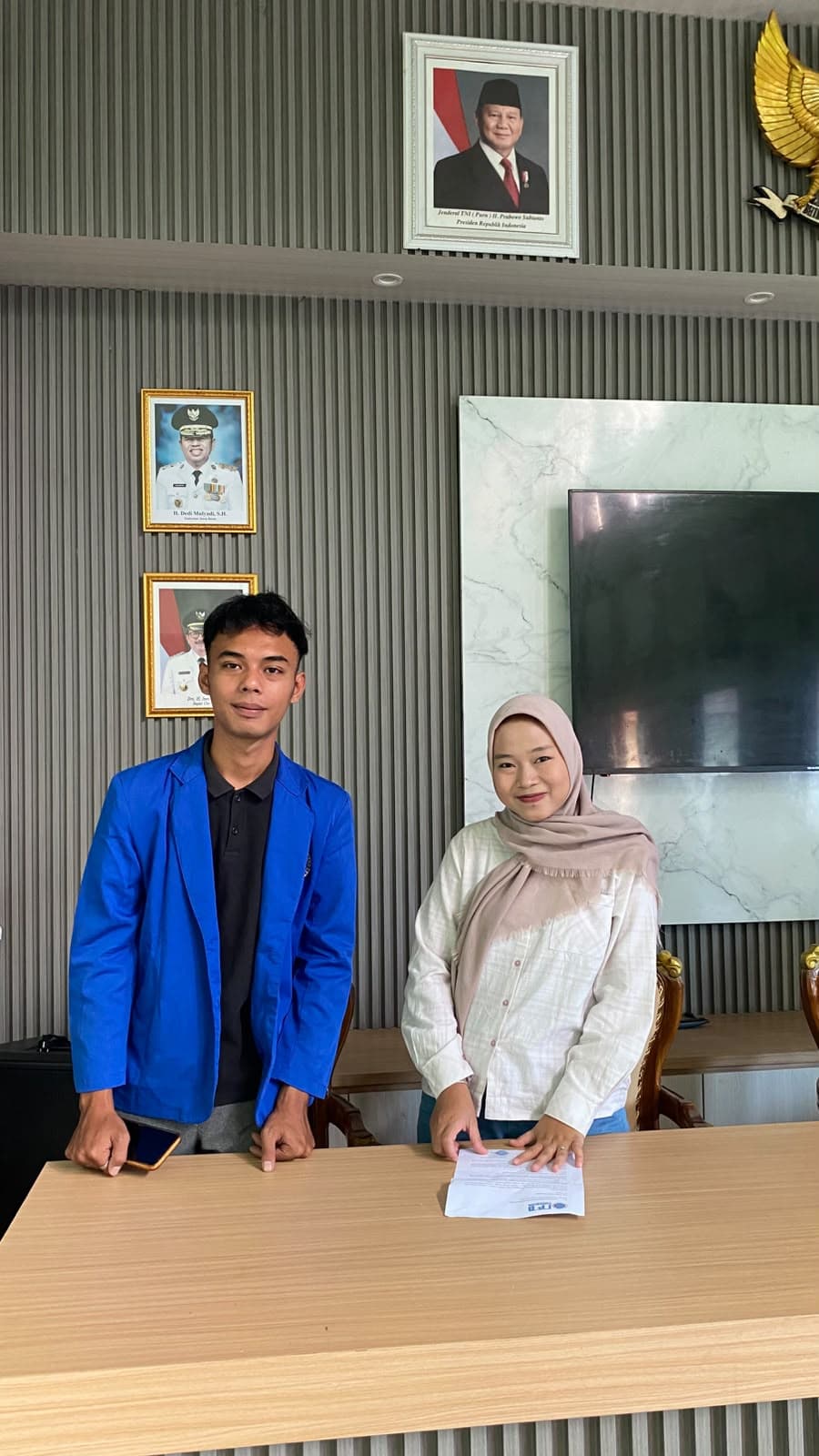
Exploring Matangaji Village: Discovering Its Cultural Heritage, Agricultural Potential, and Tourism Opportunities in Cirebon Cirebon Cultural Profile and Tourism | Field Observation Article Prepared by: Dika Gusti Armansyah | Observation date: 26 October 2026 Introduction Cirebon is a region in West Java, Indonesia, that has a rich cultural identity, historical background, and diverse local traditions. Beyond its well-known historical buildings and traditional attractions, several villages also have interesting cultural and economic potential that deserves greater attention. One of them is Matangaji Village, a rural area with opportunities for developing cultural and community-based tourism. Based on a field observation conducted on October 26, 2026, at the Matangaji Village Head Office, this article explores the village's geographical profile, cultural characteristics, economic activities, and tourism potential. The observation focuses on how local values, agricultural activities, religious life, and local historical connections contribute to the identity of the community. Matangaji Village is interesting to explore because its potential is not limited to natural resources. Its social traditions, religious values, and local historical connections may also become important elements in developing sustainable village tourism. Main Content 1. Geographical Profile and Local Economic Activities Matangaji Village has a geographical area of approximately 248.17 hectares, with an elevation of around 312315 meters above sea level. Its geographical conditions are considered supportive of agricultural activities, which are among the important sources of livelihood for local residents. The village is surrounded by several neighboring areas. To the north, it borders Sidawangi Village in Sumber District, Cirebon Regency. To the south, it borders Cirea Village, Kuningan Regency. Nanggela Village in Kuningan Regency is located to the east, while Cimara Village, also in Kuningan Regency, lies to the west. Agriculture plays an important role in the local economy because it is closely connected to the daily activities and livelihoods of the community. This sector also provides opportunities for further economic development through agricultural products, local businesses, and community-based activities. In addition to agriculture, tourism has the potential to become another source of economic growth. However, developing tourism requires proper planning, supporting facilities, and active participation from local residents. 2. Cultural Characteristics and Community Values One of the interesting findings from the observation is the importance of social and religious values in the community. Gotong royong, or mutual cooperation, remains an important cultural principle that encourages residents to help one another and maintain harmonious relationships. Page 1 Cirebon Cultural Profile and Tourism Other values include family solidarity, respect for others, politeness, religious commitment, and decisionmaking through discussion or musyawarah. These values represent the social character of village life and help maintain relationships among community members. Religious activities, community gatherings, traditional celebrations, and collective activities are also important parts of village life. Such activities provide opportunities for residents to strengthen social relationships and maintain their cultural identity. These cultural characteristics demonstrate that heritage is not always represented by historical buildings or physical objects. It can also exist in people's behavior, beliefs, traditions, and everyday interactions. 3. Historical Heritage and Religious Tourism Potential Another interesting aspect of Matangaji Village is its connection with local history and religious tourism. The village has been associated with the historical figure of Sultan Matangaji, which may provide an opportunity to introduce local historical narratives to younger generations and visitors. This historical connection is potentially valuable because local history can strengthen community identity and provide educational experiences for tourists. However, further historical verification is necessary to establish the figure's biography, historical period, relationship with the village, and the existence of any related historical sites or artifacts. Reliable historical records and interviews with knowledgeable local sources would be important supporting materials. Religious tourism may also become an opportunity for village development. Religious sites and activities can attract visitors who are interested in local history, spiritual experiences, and cultural learning. Nevertheless, religious traditions and sacred places should be respected, and tourism activities must not disturb the community's religious practices. 4. Agricultural and Tourism Development Opportunities Agriculture is one of the most important economic sectors identified in the village profile. Therefore, agricultural activities could become part of a village tourism concept through educational visits, agricultural introductions, and opportunities to learn about rural livelihoods. For example, visitors could learn about agricultural activities, interact with local farmers, and understand the relationship between natural resources and the community's economic life. These activities should only be developed after consultation with farmers and consideration of their daily work. Local businesses and small enterprises could also benefit from tourism development. Food products, traditional culinary businesses, and other locally produced goods could become supporting elements of the tourism experience. Nevertheless, tourism development should not focus only on generating income. It should also provide fair economic opportunities for residents and encourage the preservation of local traditions. 5. Language and Cultural Identity Language is another important element of cultural identity. In the Cirebon region, Javanese and Sundanese are both relevant regional languages. The language used in Matangaji Village should be documented through direct conversations with residents from different age groups and backgrounds. Understanding local language practices is important because language reflects social relationships, cultural experiences, and regional identity. It can also help visitors understand the community more deeply. Page 2 Cirebon Cultural Profile and Tourism Further observation and interviews are needed to establish whether residents predominantly use Javanese, Sundanese, or both languages in everyday communication. Cultural Significance Matangaji Village has cultural significance because its identity is reflected in the relationship between local history, religious life, agriculture, and community values. The principles of mutual cooperation, family solidarity, and respect demonstrate how traditional values continue to contribute to social relationships. Meanwhile, agricultural activities illustrate the importance of local resources in supporting the community's economy. Its historical connection with Sultan Matangaji also provides an opportunity to investigate and document local heritage. Through historical research and community participation, this heritage could become an educational resource for younger generations and visitors. Furthermore, developing sustainable tourism could strengthen the local economy while introducing Matangaji Village as part of Cirebon's diverse cultural landscape. Conclusion Matangaji Village has several opportunities for cultural and economic development. Its agricultural sector, religious life, community values, geographical characteristics, and historical connections represent important elements of its local identity. The field observation indicates that agriculture is an important economic foundation, while cultural traditions and religious activities contribute to the community's social character. Historical heritage and tourism opportunities also deserve further exploration. However, developing the village as a tourism destination requires accurate historical documentation, better facilities, community participation, and environmental awareness. Preserving local culture should remain a priority in every development program. By involving residents, documenting cultural heritage, and promoting responsible tourism, Matangaji Village has the opportunity to develop its local potential without losing its original identity. Ultimately, Matangaji Village demonstrates that the cultural richness of Cirebon can also be discovered through the everyday lives, traditions, and local resources of its rural communities. References 1. Matangaji Village Field Observation Notes. October 26, 2026. Cirebon Cultural Profile and Tourism, Meeting 5. 2. Interview with Teh Luki, identified in the observation notes as Head of Matangaji Health Center. October 26, 2026. Further confirmation of the interview details is required. 3. Matangaji Village Profile and Geographical Information. Data recorded in the student's field observation instrument. Official document details require verification. 4. Direct observation at Matangaji Village Head Office, Matangaji Village, October 26, 2026. 5. Additional historical records concerning Sultan Matangaji and the village's cultural heritage (to be identified andverified before publication).
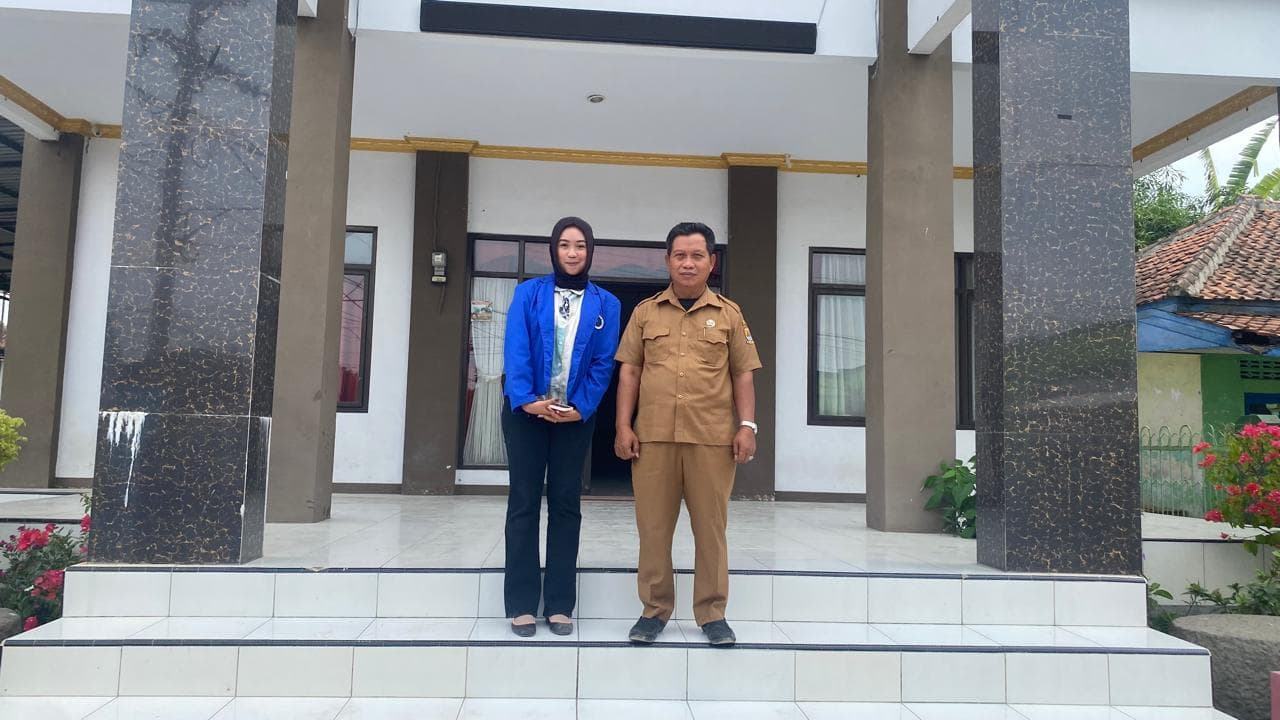
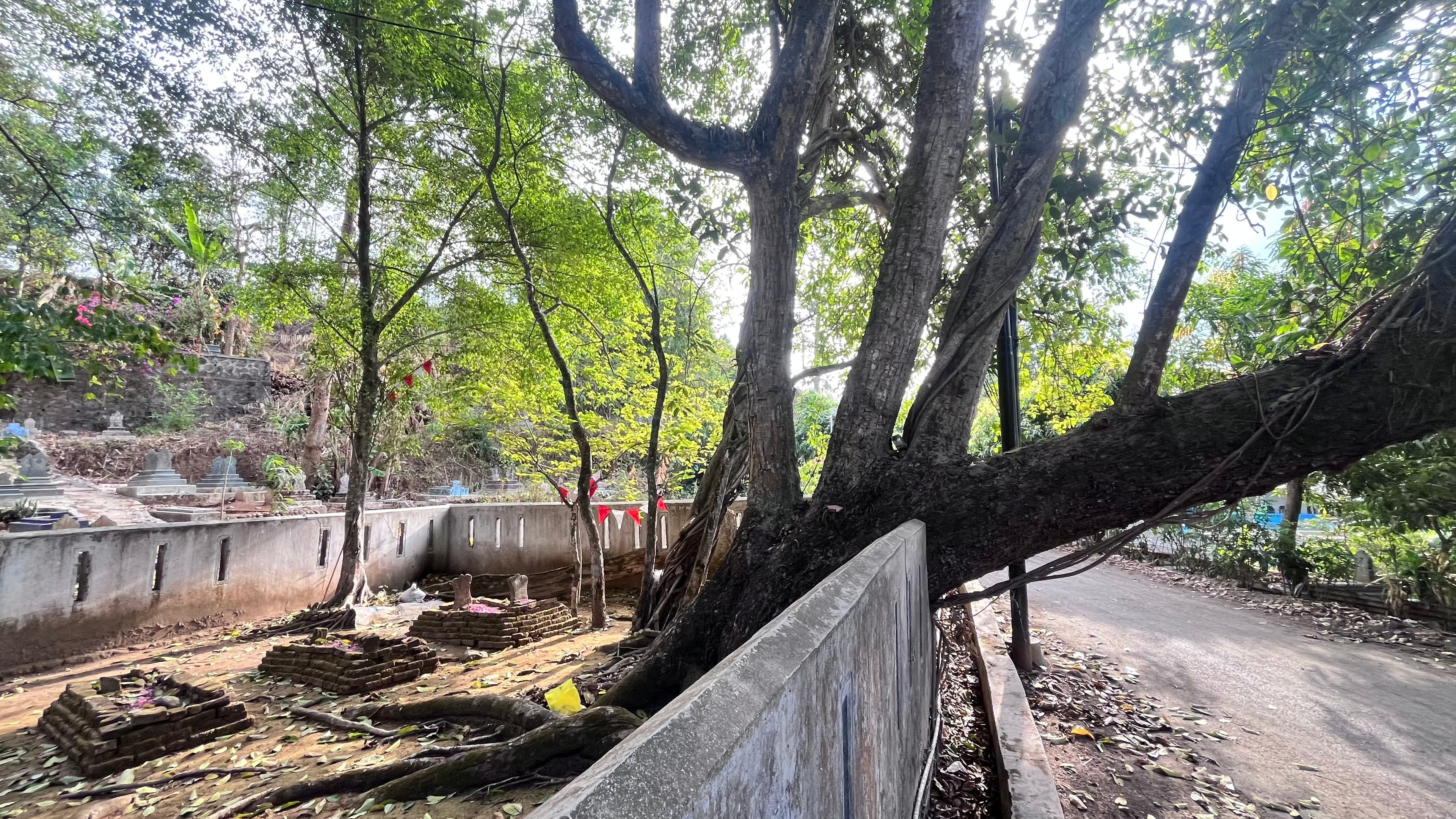
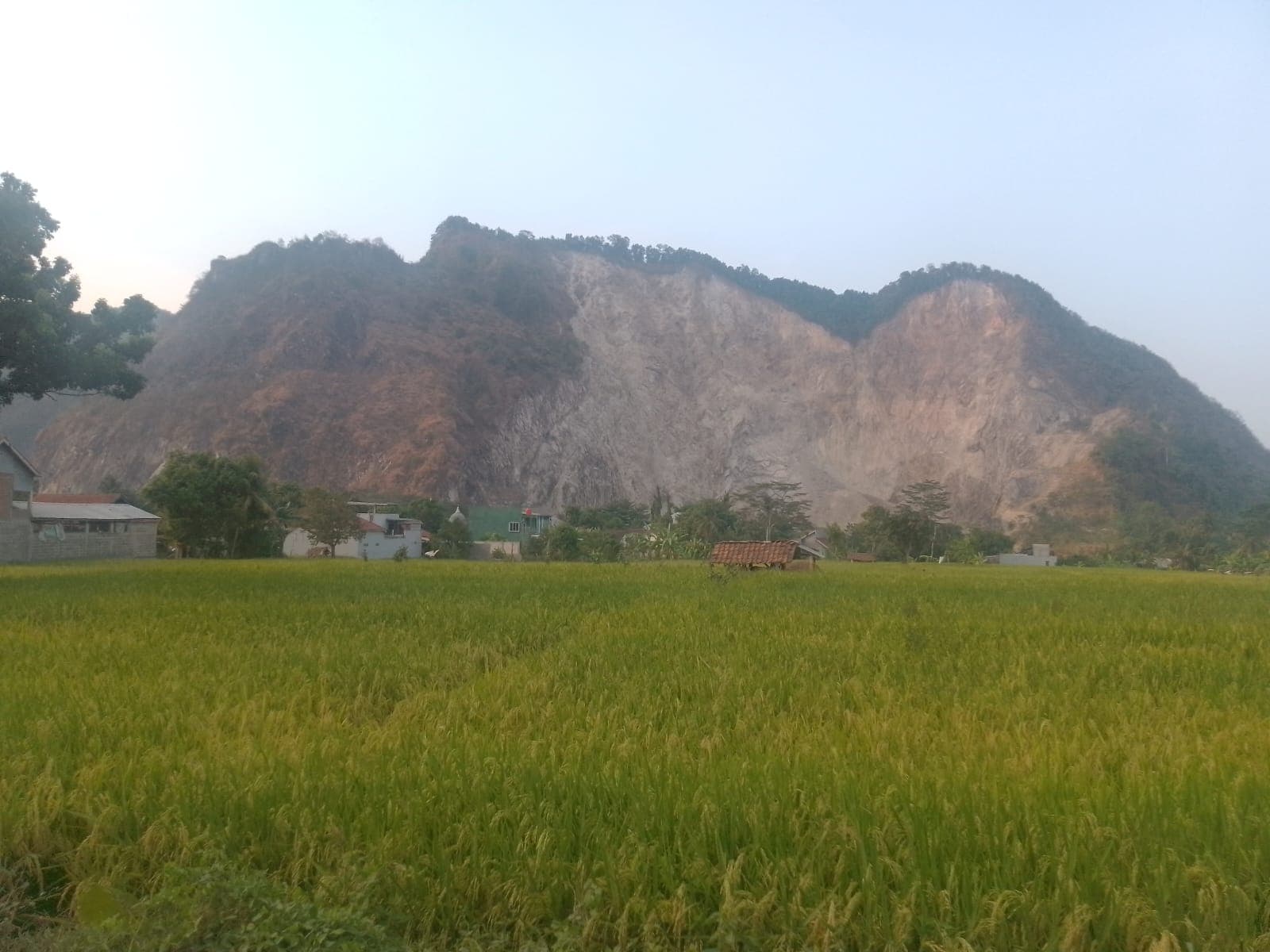
Artikel ini menggambarkan budaya lokal, tradisi, bahasa, dan mata pencaharian masyarakat Kampung Karang Anyar di Cirebon, serta mengusulkan pengembangan bekas area pertambangan (Galian C) menjadi tempat wisata jeep.
Baca berita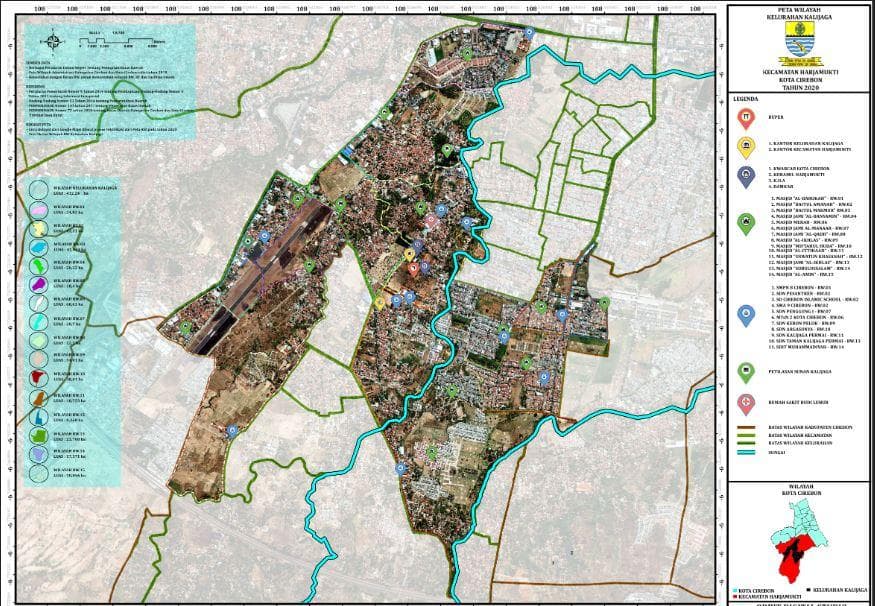
Exploring the history, cultural memory, and community life of Kampung Kecapi, Harjamukti, where Cirebon’s agrarian roots and historical legacies meet contemporary neighborhood solidarity and civic innovation.
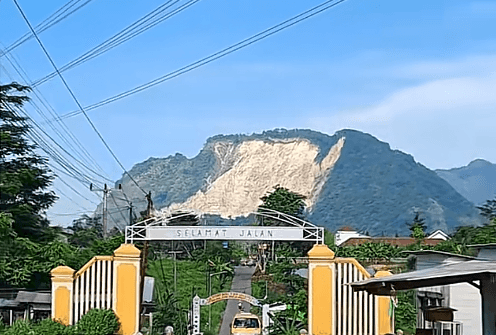
The profile of Cikalahang village, the historical value and tourism.
Baca beritaTemukan bagaimana Desa Astana memadukan iman, sejarah, dan perdagangan sehari-hari menjadi satu budaya yang hidup, mulai dari sembilan gerbang makam Sunan Gunung Jati hingga kios-kios yang menjual makanan khas setempat. Cari tahu mengapa menjaga kesucian tempat ini, serta kenyamanan para peziarahnya, sama pentingnya dengan mengembangkan pariwisatanya.
Baca berita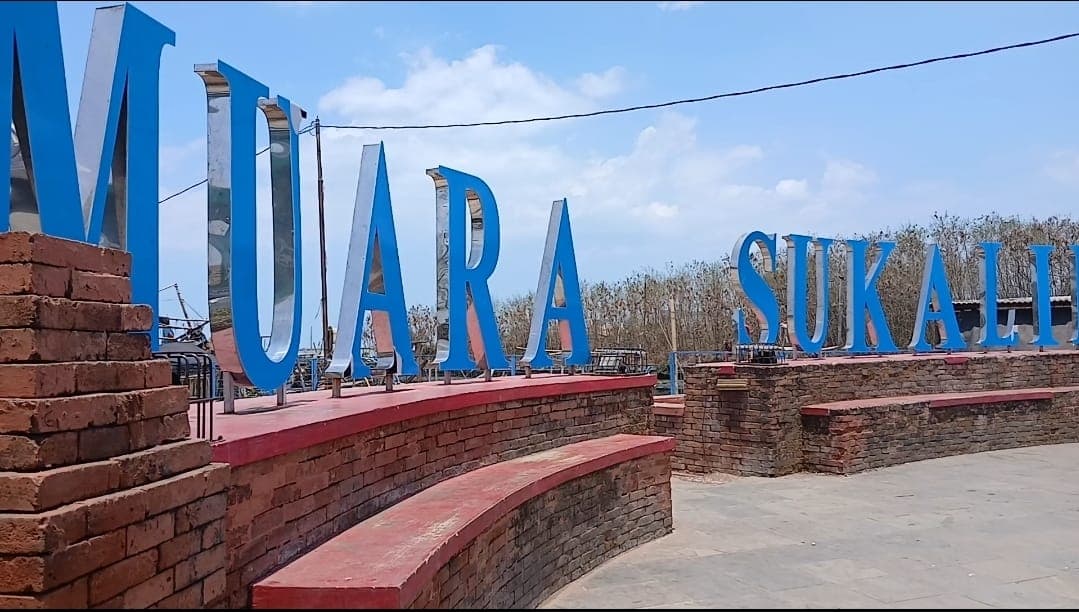
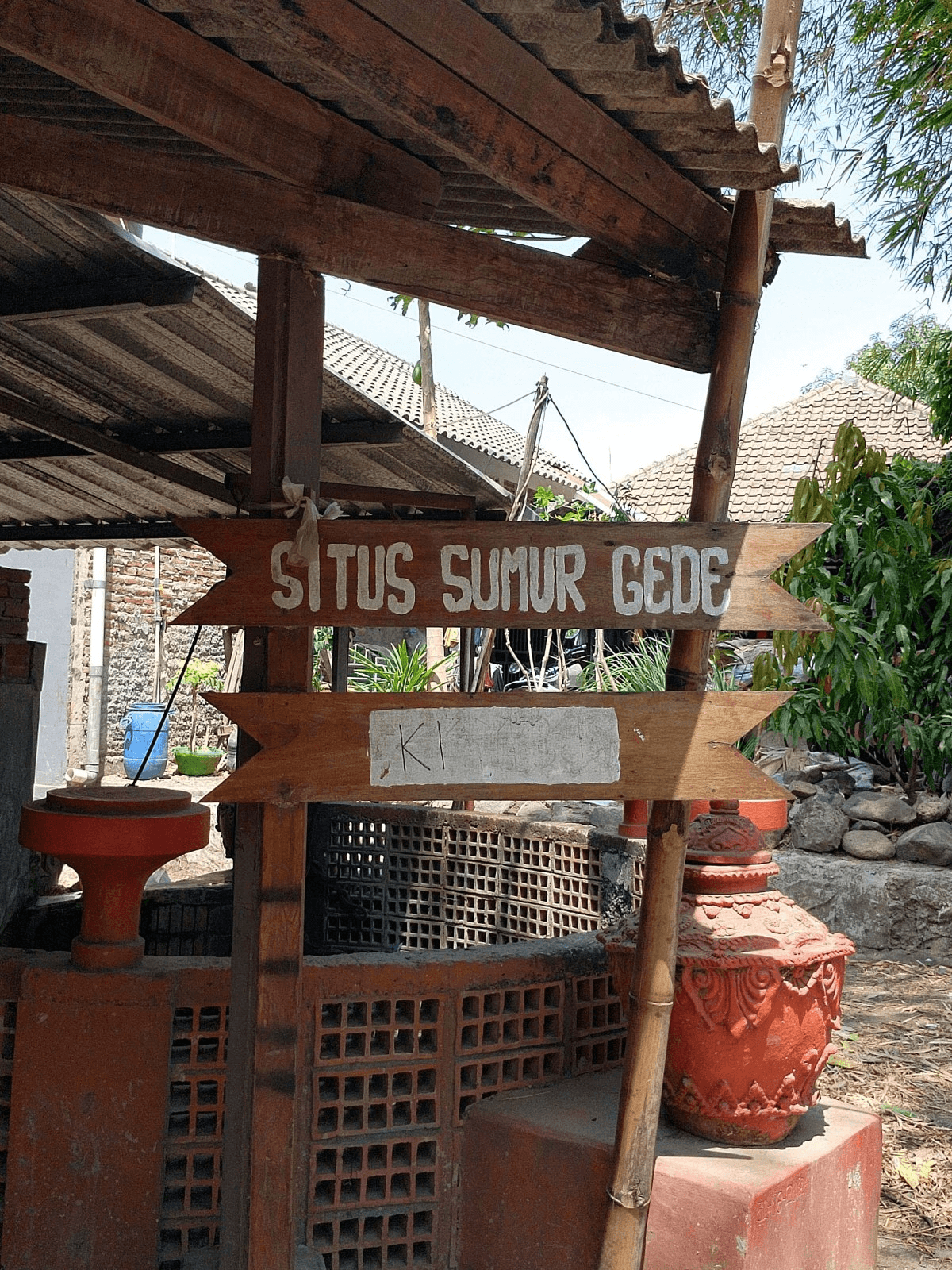
Lawang Gede is an important historical and cultural heritage site in Mertasinga Village, Cirebon. The site is associated with the history of the Mertasinga Palace and the ancient Kingdom of Singhapura. It preserves historical remains such as a traditional brick gate, an old wooden door, and an ancient well. The local community maintains cultural traditions such as tahlilan and ngunjung, which reflect spiritual values and respect for ancestors. The community also uses Cirebon Javanese with the O dialect in daily communication. Based on the field observation, Lawang Gede has strong potential to become a historical and educational tourism destination. However, preservation, historical verification, and community participation are necessary to protect its heritage. By working together, the people of Mertasinga can preserve their cultural identity and introduce their historical heritage to future generations.
This article explores the history, cultural heritage, local legends, traditions, and beliefs of Megugede Village in Weru District, Cirebon. Based on field observation and interviews with local community members, the article highlights the story of Ki Gede Megung, the Keramat Mosque, traditional sites, community traditions, and local beliefs that continue to shape the identity of Megugede.
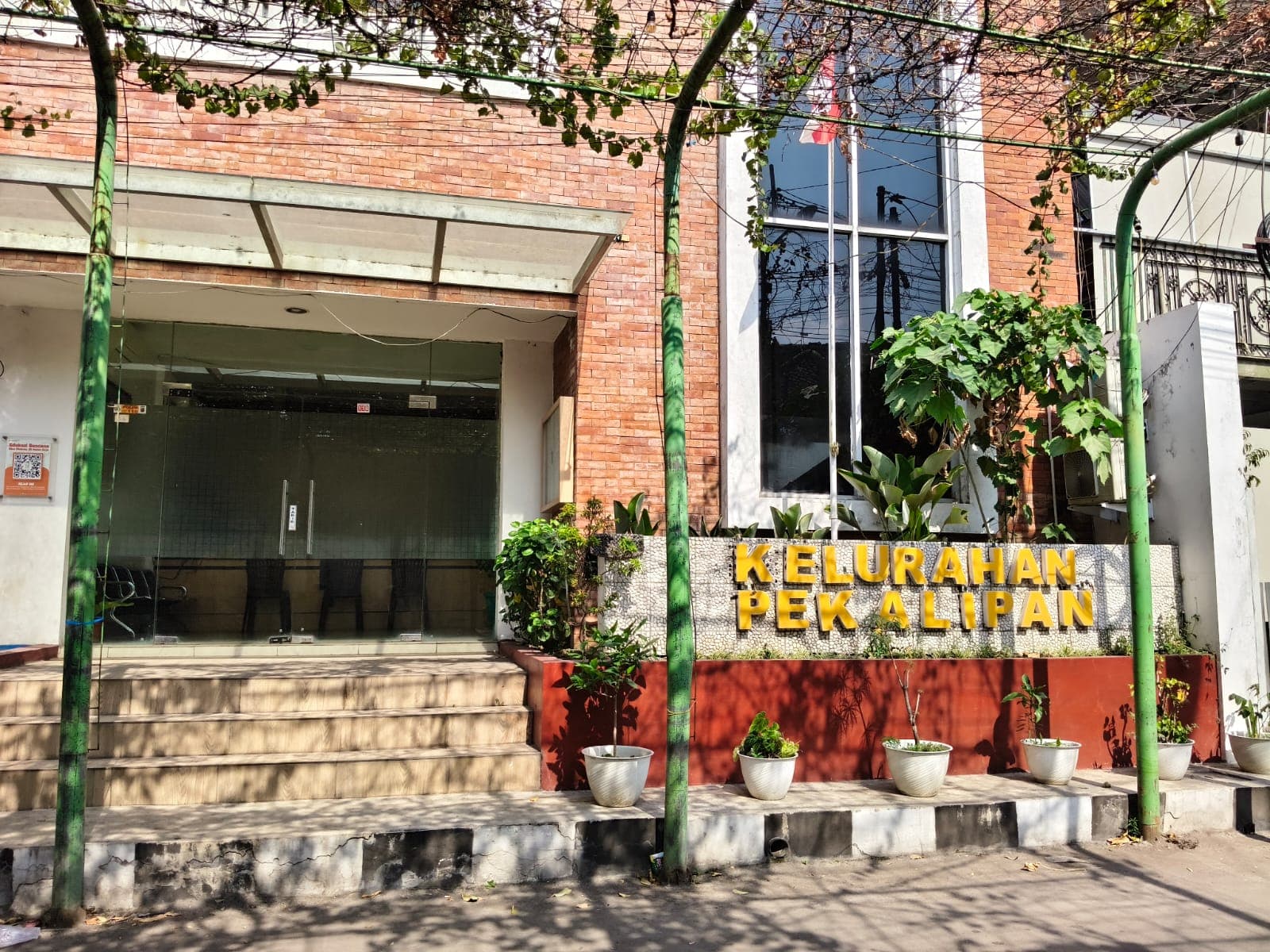
Pekalipan adalah sebuah desa perkotaan di Cirebon yang memiliki latar belakang sejarah dan budaya yang kaya. Mulai dari Makam Syekh Maulana Maghribi dan Festival Kepatihan II hingga simbol-simbol tradisional dan kegiatan masyarakat setempat, Pekalipan mencerminkan kekayaan budaya Cirebon.
Artikel ini mengupas warisan budaya, perekonomian lokal, dan potensi pariwisata Desa Walahar di Gempol, Cirebon. Berdasarkan pengamatan lapangan dan wawancara, artikel ini menyoroti seni tradisional, upacara adat, produk lokal, serta kisah-kisah seputar Batu Bleneng di desa tersebut.
Kalijaga Village is a historically and culturally significant area located in Harjamukti, Cirebon City, West Java. The village is known for its connection to Sunan Kalijaga, one of the important figures in the spread of Islam in Java. Its historical identity can be seen through cultural sites such as the Tomb of Sunan Kalijaga and the sumur keramat (sacred well). Besides its historical heritage, Kalijaga has an active local community with various livelihoods, including entrepreneurship, and good accessibility for visitors. Through its historical sites, local knowledge, and community involvement, Kalijaga Village represents an important part of Cirebon's cultural identity that deserves recognition and preservation.
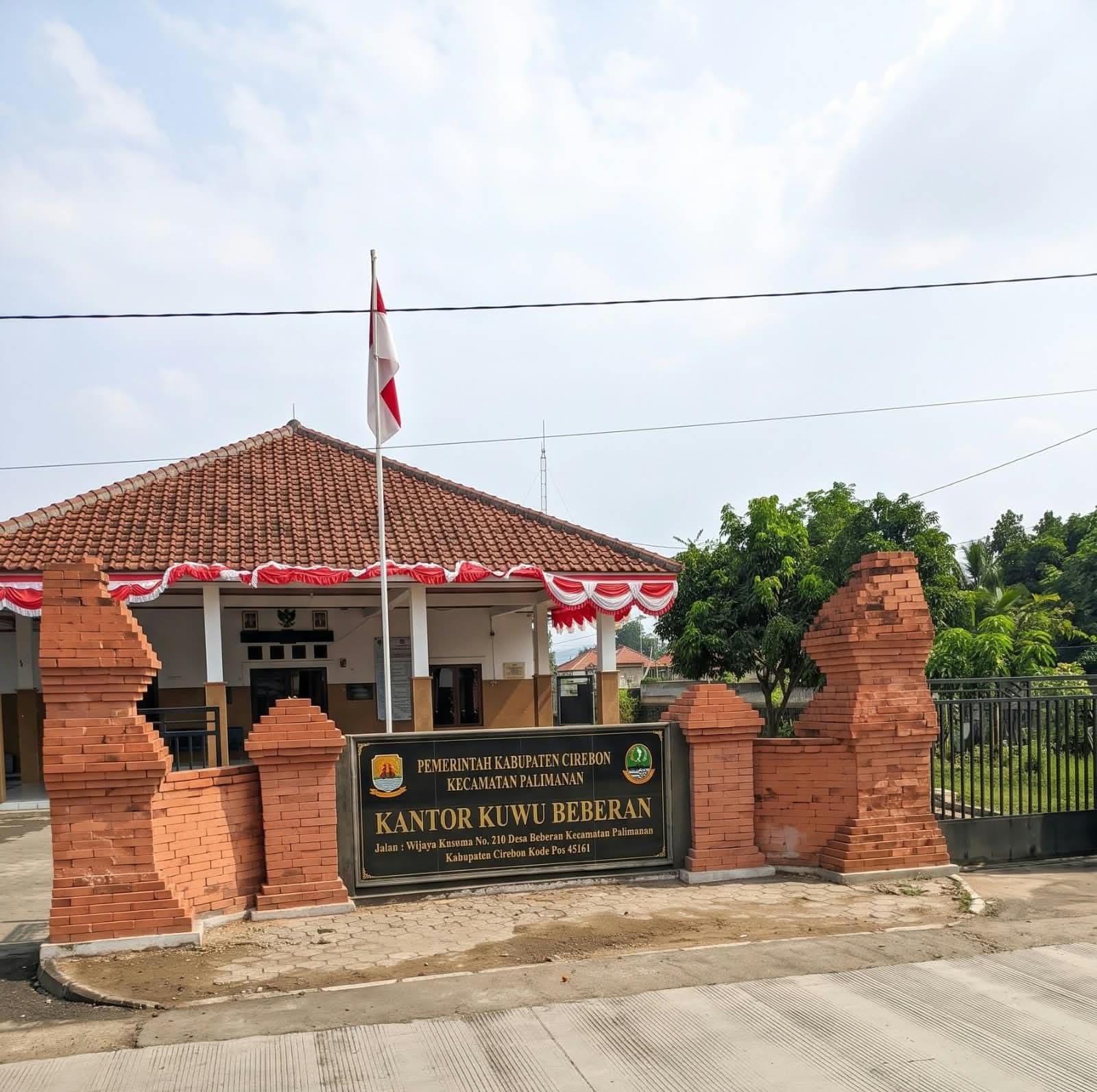
Beberan adalah desa kecil di Kecamatan Palimanan, Kabupaten Cirebon. Desa ini terbentuk dari dua blok yang digabung, yaitu Kedung Dadap dan Beran. Wawancara dengan Bapak Usman dan Bapak Abdullah dilakukan di rumah masing-masing pada 27 dan 28 Oktober 2026, dan dari wawancara itu tampak bahwa warga sangat bangga pada para penghafal Al-Quran di desanya. Tradisi mendoakan leluhur lewat ratiban dan haul juga masih dijalankan setiap tahun. Tulisan ini membahas sejarah dan tempat-tempat penting di desa, tradisi warganya, serta artinya bagi budaya Cirebon. Di bagian akhir, dibahas pula masalah yang perlu dihadapi jika Beberan ingin dikenal sebagai tempat wisata.
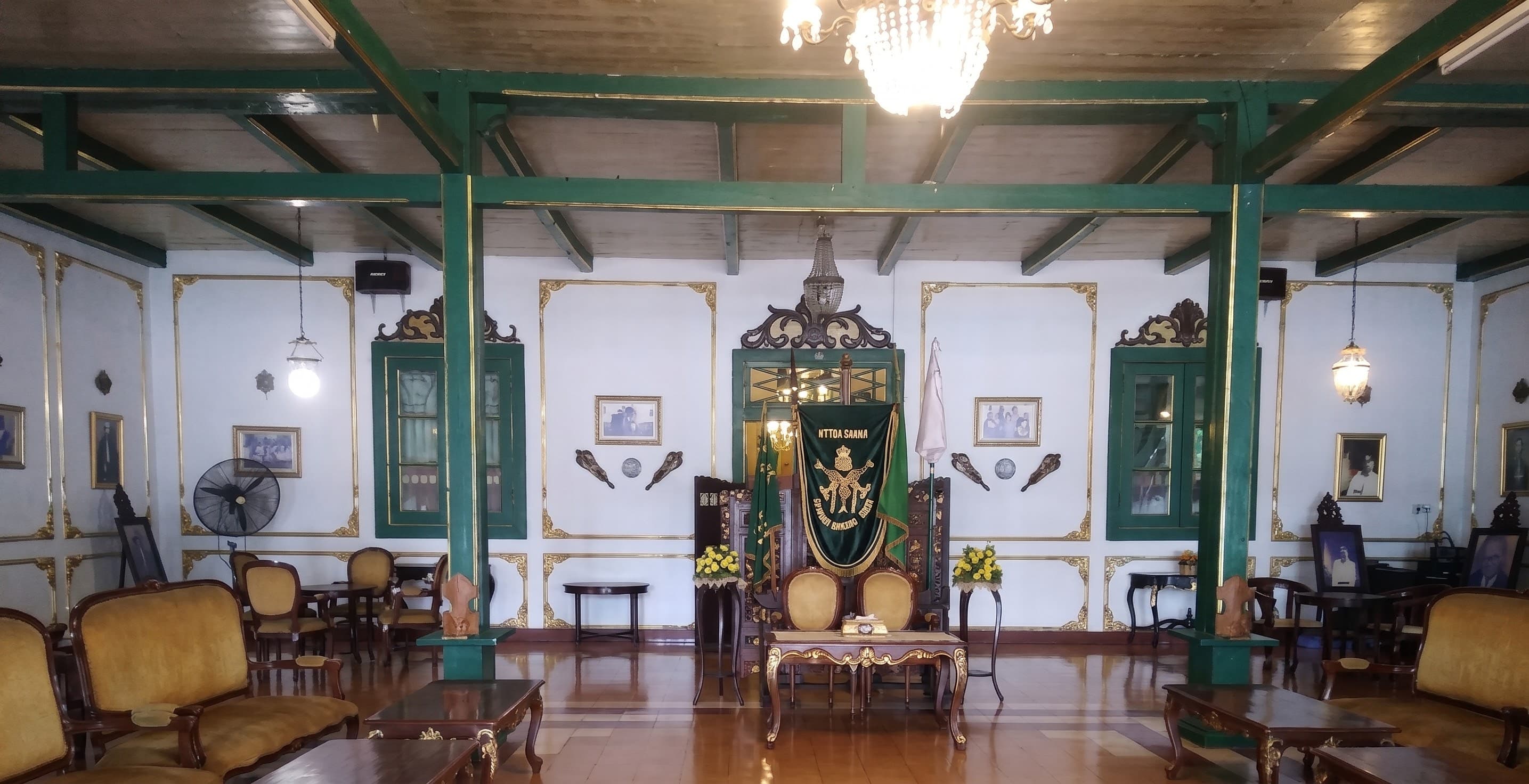
Keraton Kacirebonan di Pulasaren, Cirebon, adalah keraton bersejarah yang penting dan kini juga berfungsi sebagai museum. Keraton ini melestarikan benda-benda bersejarah, bangunan tradisional, dan tradisi hidup seperti Muludan dan Panjang Jimat, sehingga menjadi tempat yang berharga untuk memahami sejarah dan identitas budaya Cirebon serta pentingnya melestarikan warisan lokal.
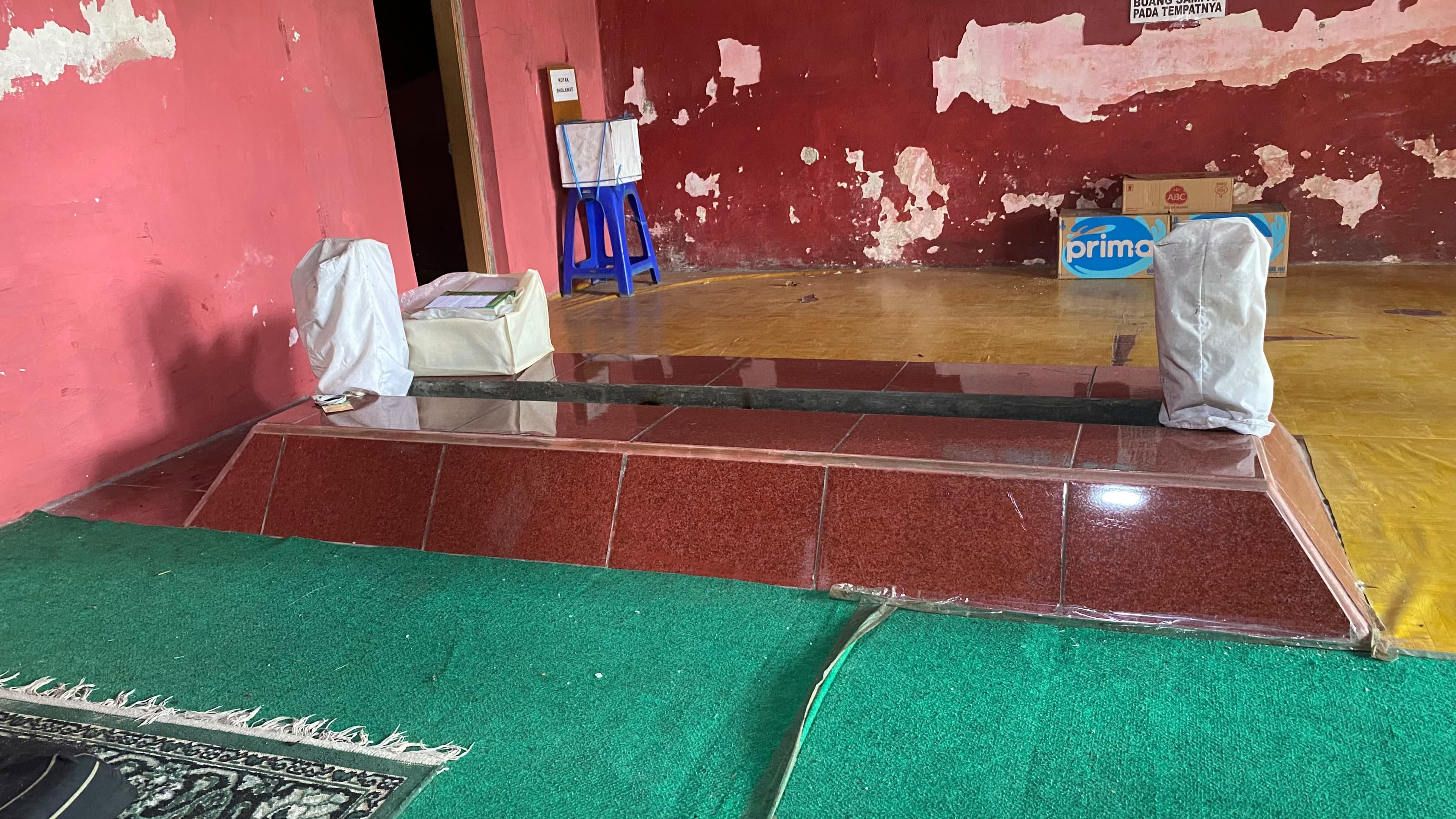
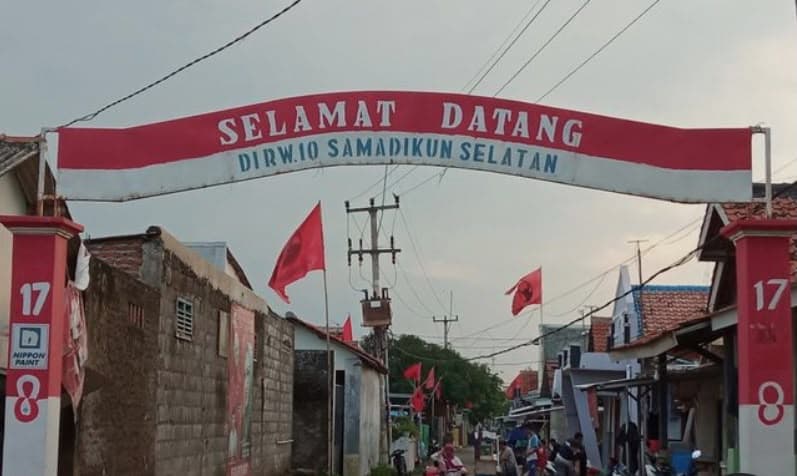
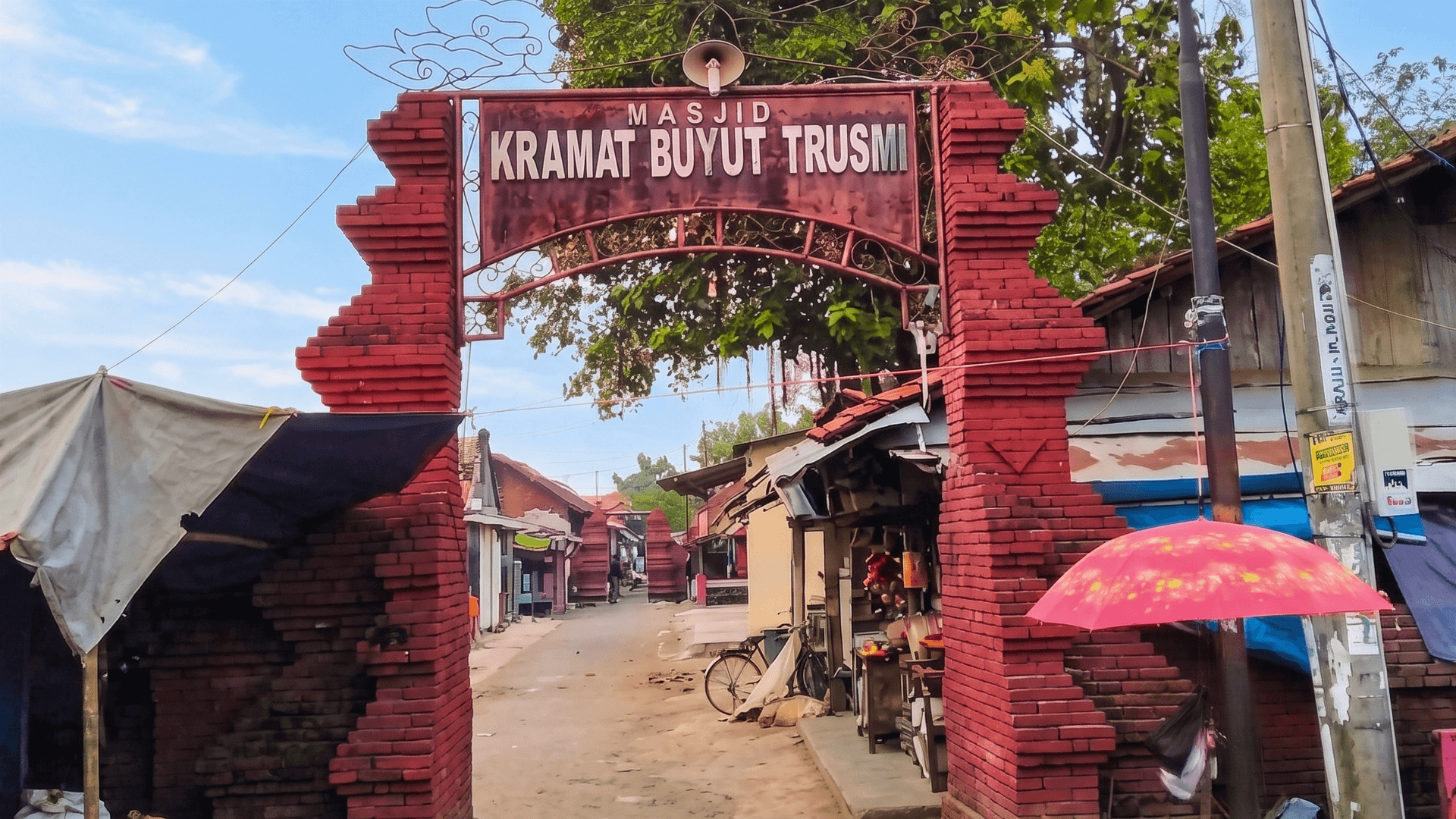
Trusmi Wetan dikenal lewat batiknya, tetapi ada lebih dari itu. Masjid beratap alang-alang, kolam bersejarah, dan batik Megamendung membentuk cara warga memandang diri mereka. Artikel ini berisi apa yang saya lihat dan dengar di sana, serta tantangan menjaganya di tengah pariwisata.
Sebuah observasi lapangan di Desa Halimpu yang menyingkap bagaimana bahasa Sunda, situs keramat seperti Makam Panjang, serta filosofi nirlimbah (zero-waste) para pengrajin bambu tradisional menjadi arsip hidup identitas wilayah perbatasan Cirebon.
Baca berita